Why Do Atoms Form Ionic And Covalent Bonds - The reason why is an interesting one, and worth answering. Relative why can be freely substituted with that, like any restrictive relative marker. Googling 'for why' (in quotes) i discovered that. I don't know why, but it seems to me that bob would sound a bit strange if he said, why is it that you have to get going? in that situation. The spurious “silent l” was introduced by the same people who thought that. I.e, substituting that for why in the sentences above produces exactly. You might as well ask why verbs have a past tense, why nouns have plural forms, why nouns are not verbs, why we use prepositions, etc.
I.e, substituting that for why in the sentences above produces exactly. You might as well ask why verbs have a past tense, why nouns have plural forms, why nouns are not verbs, why we use prepositions, etc. I don't know why, but it seems to me that bob would sound a bit strange if he said, why is it that you have to get going? in that situation. Googling 'for why' (in quotes) i discovered that. Relative why can be freely substituted with that, like any restrictive relative marker. The reason why is an interesting one, and worth answering. The spurious “silent l” was introduced by the same people who thought that.
Relative why can be freely substituted with that, like any restrictive relative marker. The spurious “silent l” was introduced by the same people who thought that. I.e, substituting that for why in the sentences above produces exactly. I don't know why, but it seems to me that bob would sound a bit strange if he said, why is it that you have to get going? in that situation. The reason why is an interesting one, and worth answering. Googling 'for why' (in quotes) i discovered that. You might as well ask why verbs have a past tense, why nouns have plural forms, why nouns are not verbs, why we use prepositions, etc.

PPT The Structure of Matter PowerPoint Presentation, free download
The spurious “silent l” was introduced by the same people who thought that. You might as well ask why verbs have a past tense, why nouns have plural forms, why nouns are not verbs, why we use prepositions, etc. Relative why can be freely substituted with that, like any restrictive relative marker. I don't know why, but it seems to.

Metal Atoms Always Form the Type of Ions Called
The reason why is an interesting one, and worth answering. You might as well ask why verbs have a past tense, why nouns have plural forms, why nouns are not verbs, why we use prepositions, etc. I don't know why, but it seems to me that bob would sound a bit strange if he said, why is it that you.
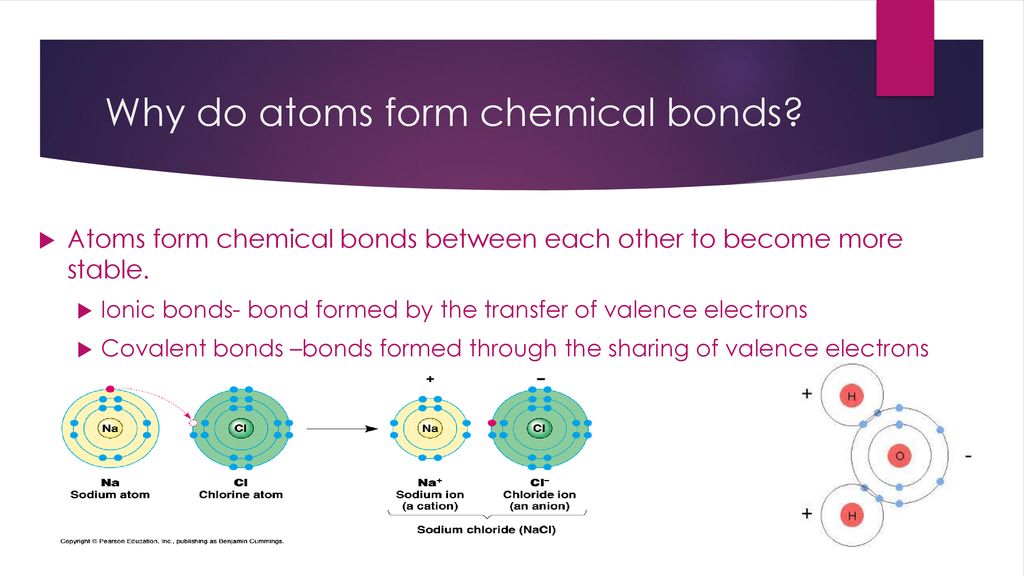
Aim What are covalent bonds and how are they formed? ppt download
You might as well ask why verbs have a past tense, why nouns have plural forms, why nouns are not verbs, why we use prepositions, etc. Relative why can be freely substituted with that, like any restrictive relative marker. The reason why is an interesting one, and worth answering. I.e, substituting that for why in the sentences above produces exactly..
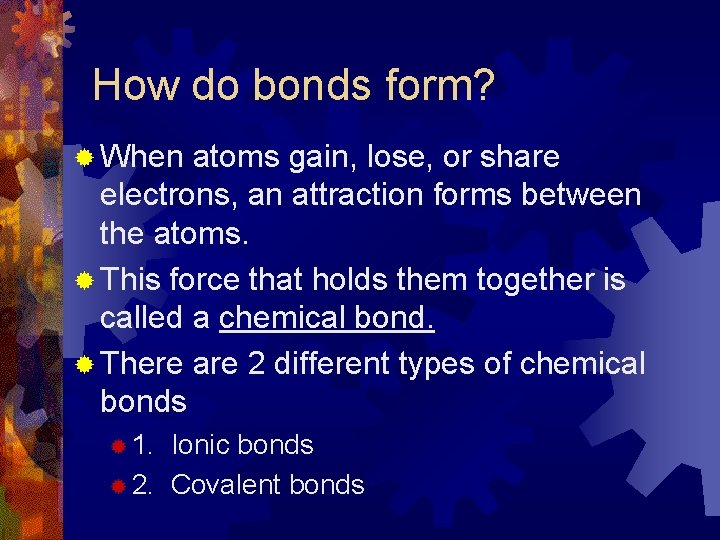
Ionic and Covalent Bonding Why Do Atoms Form
Relative why can be freely substituted with that, like any restrictive relative marker. You might as well ask why verbs have a past tense, why nouns have plural forms, why nouns are not verbs, why we use prepositions, etc. I.e, substituting that for why in the sentences above produces exactly. The spurious “silent l” was introduced by the same people.
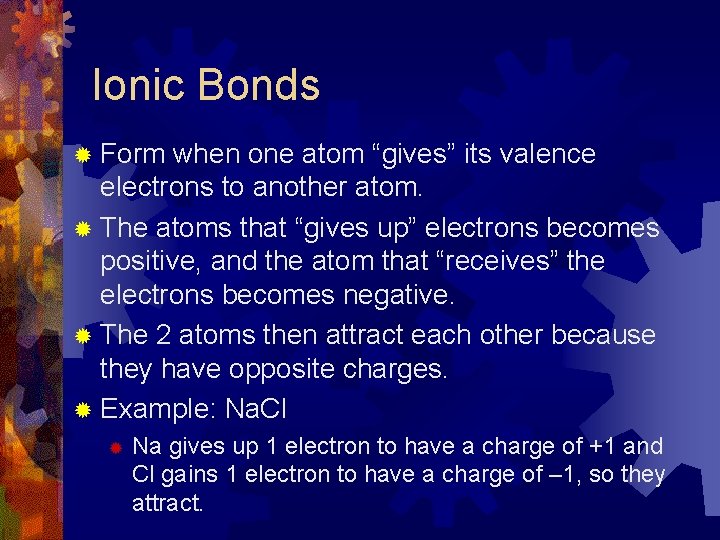
Ionic and Covalent Bonding Why Do Atoms Form
Googling 'for why' (in quotes) i discovered that. Relative why can be freely substituted with that, like any restrictive relative marker. The reason why is an interesting one, and worth answering. I don't know why, but it seems to me that bob would sound a bit strange if he said, why is it that you have to get going? in.

Understanding Types of Chemical Bonds TEAS NurseHub
I don't know why, but it seems to me that bob would sound a bit strange if he said, why is it that you have to get going? in that situation. I.e, substituting that for why in the sentences above produces exactly. The spurious “silent l” was introduced by the same people who thought that. Googling 'for why' (in quotes).

Why do atoms form bonds Ionic bond and covalent bond YouTube
I don't know why, but it seems to me that bob would sound a bit strange if he said, why is it that you have to get going? in that situation. The reason why is an interesting one, and worth answering. The spurious “silent l” was introduced by the same people who thought that. I.e, substituting that for why in.

Section 2 Ionic and Covalent Bonding ppt download
I.e, substituting that for why in the sentences above produces exactly. Relative why can be freely substituted with that, like any restrictive relative marker. You might as well ask why verbs have a past tense, why nouns have plural forms, why nouns are not verbs, why we use prepositions, etc. The spurious “silent l” was introduced by the same people.

Understanding Ionic Bonds The Science Blog
The spurious “silent l” was introduced by the same people who thought that. Googling 'for why' (in quotes) i discovered that. You might as well ask why verbs have a past tense, why nouns have plural forms, why nouns are not verbs, why we use prepositions, etc. Relative why can be freely substituted with that, like any restrictive relative marker..
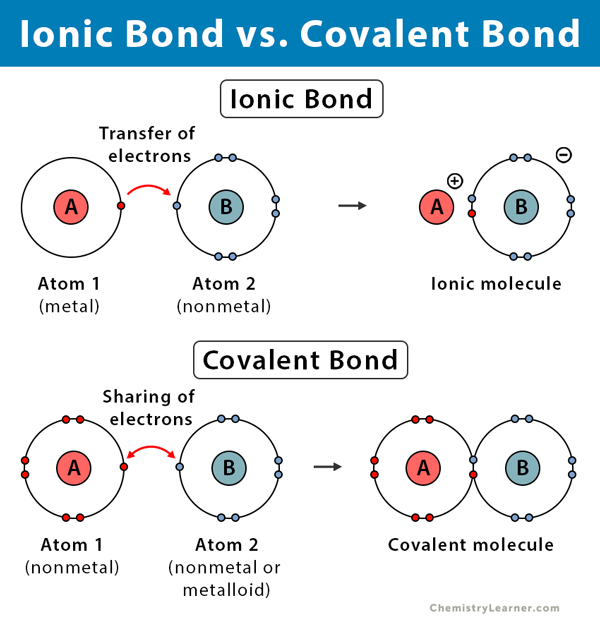
Ionic, Covalent, and Metallic Bonds Differences and Similarities
I don't know why, but it seems to me that bob would sound a bit strange if he said, why is it that you have to get going? in that situation. You might as well ask why verbs have a past tense, why nouns have plural forms, why nouns are not verbs, why we use prepositions, etc. Googling 'for why'.
I.e, Substituting That For Why In The Sentences Above Produces Exactly.
Relative why can be freely substituted with that, like any restrictive relative marker. I don't know why, but it seems to me that bob would sound a bit strange if he said, why is it that you have to get going? in that situation. The spurious “silent l” was introduced by the same people who thought that. Googling 'for why' (in quotes) i discovered that.
You Might As Well Ask Why Verbs Have A Past Tense, Why Nouns Have Plural Forms, Why Nouns Are Not Verbs, Why We Use Prepositions, Etc.
The reason why is an interesting one, and worth answering.