Why Do Atoms Form Bonds With Other Atoms - This tendency for other elements to react underlines the exceptional stability of the noble gases. Why do atoms form bonds by donating, accepting, or sharing electrons with other atoms? Atoms form bonds primarily to achieve greater stability. In summary, the noble gases are. Why do atoms tend to be bonded to other atoms? The outermost shell of an atom is called the valence shell, and the electrons. The smallest unit that combines chemically or physically to form molecules and compounds is called an atom. Bonding gives an atom the same number of. Atoms would lose their electrons if they didn't form bonds.
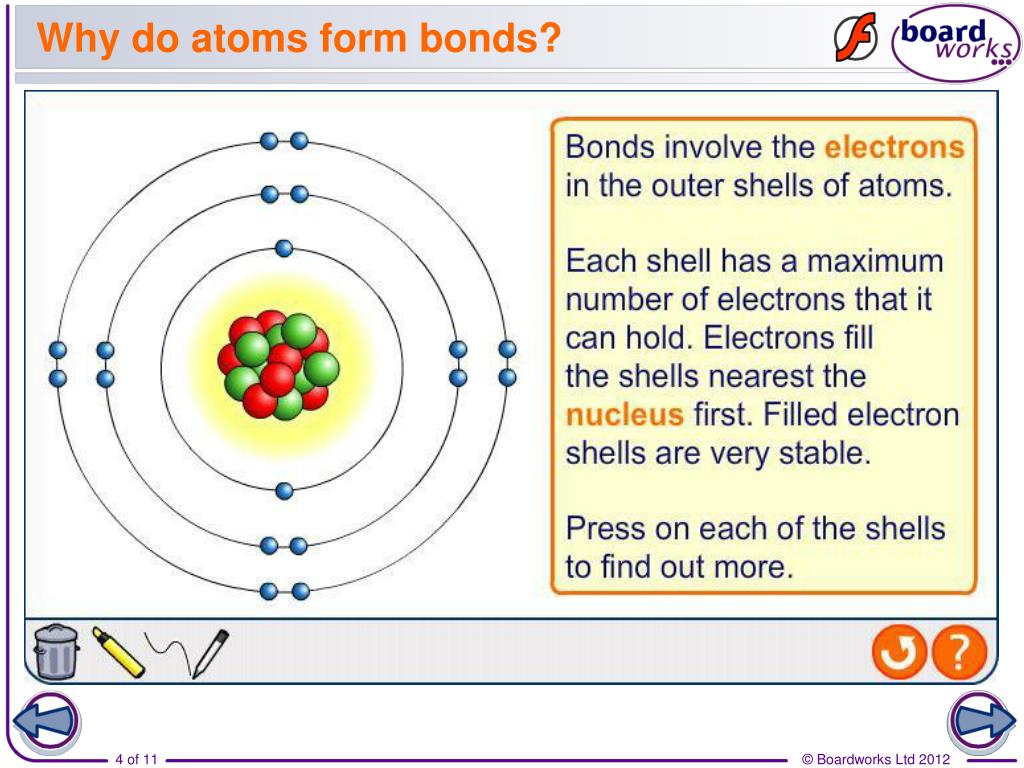
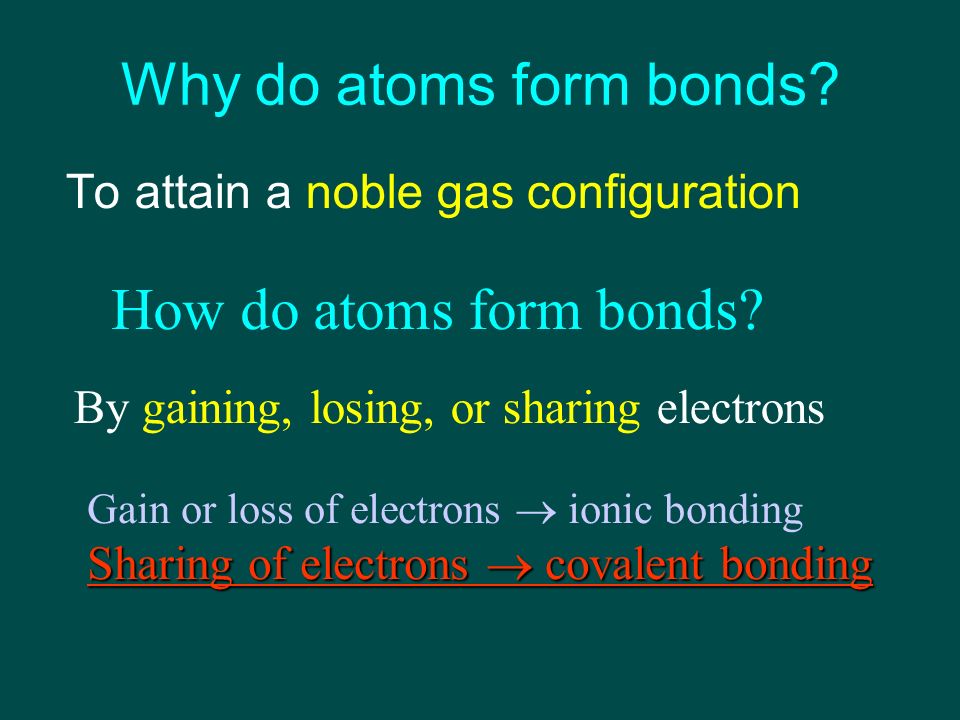
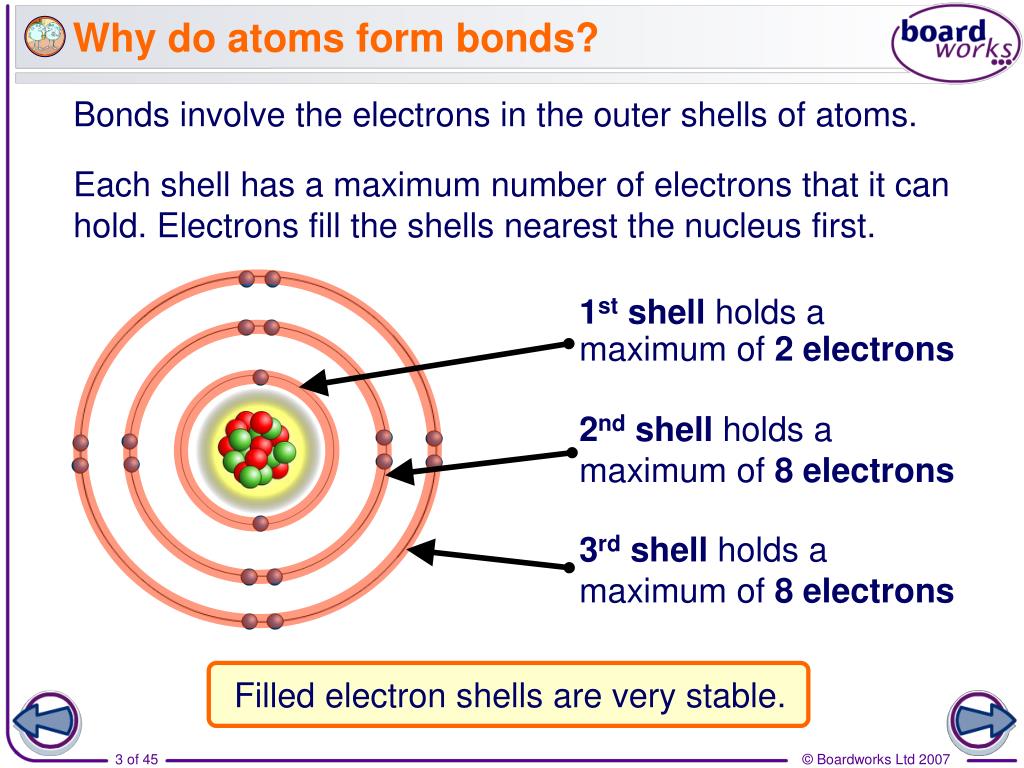
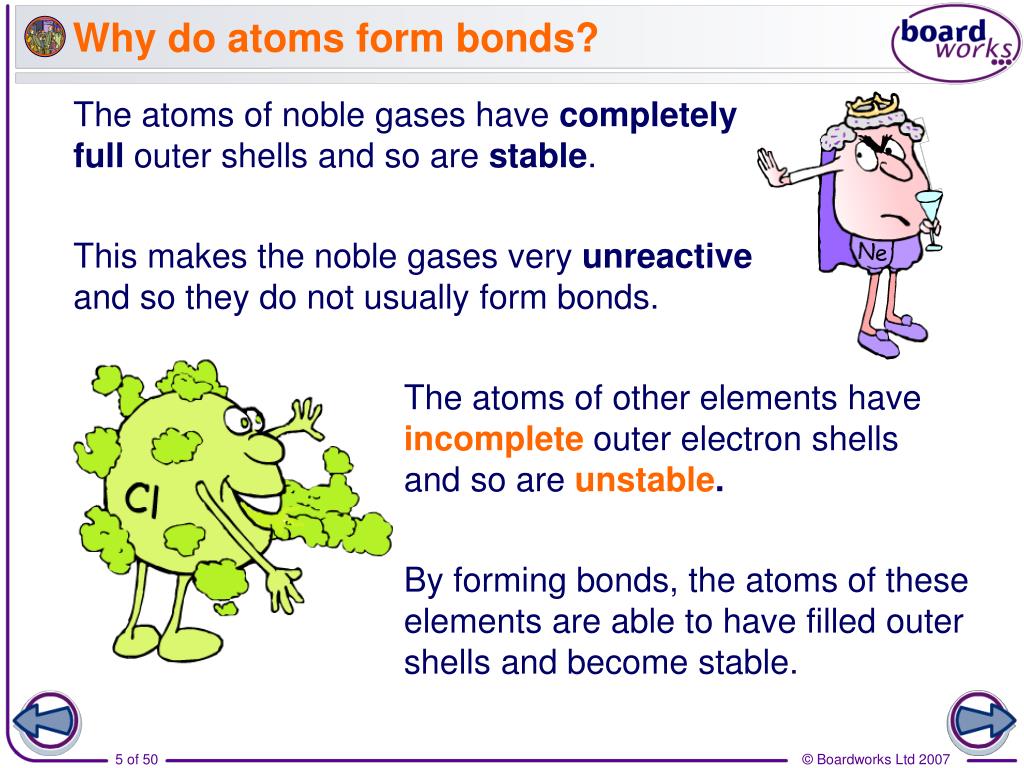
Atoms form bonds primarily to achieve greater stability. This tendency for other elements to react underlines the exceptional stability of the noble gases. The outermost shell of an atom is called the valence shell, and the electrons. Bonding gives an atom the same number of. Why do atoms form bonds by donating, accepting, or sharing electrons with other atoms? The smallest unit that combines chemically or physically to form molecules and compounds is called an atom. In summary, the noble gases are. Atoms would lose their electrons if they didn't form bonds. Why do atoms tend to be bonded to other atoms?
Why do atoms form bonds by donating, accepting, or sharing electrons with other atoms? In summary, the noble gases are. This tendency for other elements to react underlines the exceptional stability of the noble gases. The outermost shell of an atom is called the valence shell, and the electrons. Atoms would lose their electrons if they didn't form bonds. Bonding gives an atom the same number of. The smallest unit that combines chemically or physically to form molecules and compounds is called an atom. Atoms form bonds primarily to achieve greater stability. Why do atoms tend to be bonded to other atoms?
PPT Ions PowerPoint Presentation, free download ID6738771
Why do atoms form bonds by donating, accepting, or sharing electrons with other atoms? This tendency for other elements to react underlines the exceptional stability of the noble gases. In summary, the noble gases are. The smallest unit that combines chemically or physically to form molecules and compounds is called an atom. Bonding gives an atom the same number of.

Unit 9 Bonding 1. The attractive forces between atoms leads to chemical
The outermost shell of an atom is called the valence shell, and the electrons. Atoms would lose their electrons if they didn't form bonds. Bonding gives an atom the same number of. This tendency for other elements to react underlines the exceptional stability of the noble gases. Why do atoms tend to be bonded to other atoms?
Why do atoms form bonds? To attain a noble gas configuration How do
This tendency for other elements to react underlines the exceptional stability of the noble gases. Atoms would lose their electrons if they didn't form bonds. Why do atoms form bonds by donating, accepting, or sharing electrons with other atoms? Why do atoms tend to be bonded to other atoms? The smallest unit that combines chemically or physically to form molecules.

How do elements bond?. ppt download
Why do atoms form bonds by donating, accepting, or sharing electrons with other atoms? This tendency for other elements to react underlines the exceptional stability of the noble gases. Why do atoms tend to be bonded to other atoms? In summary, the noble gases are. Atoms form bonds primarily to achieve greater stability.

Objectives Explain why atoms form bonds ppt download
In summary, the noble gases are. Atoms would lose their electrons if they didn't form bonds. Why do atoms form bonds by donating, accepting, or sharing electrons with other atoms? This tendency for other elements to react underlines the exceptional stability of the noble gases. Why do atoms tend to be bonded to other atoms?

PPT Types of Bonds PowerPoint Presentation, free download ID1996079
The outermost shell of an atom is called the valence shell, and the electrons. In summary, the noble gases are. Why do atoms form bonds by donating, accepting, or sharing electrons with other atoms? Bonding gives an atom the same number of. Why do atoms tend to be bonded to other atoms?
PPT Why do atoms form bonds? PowerPoint Presentation, free download
The outermost shell of an atom is called the valence shell, and the electrons. Bonding gives an atom the same number of. Atoms form bonds primarily to achieve greater stability. Why do atoms tend to be bonded to other atoms? The smallest unit that combines chemically or physically to form molecules and compounds is called an atom.
PPT What are bonds? PowerPoint Presentation, free download ID5980343
Atoms would lose their electrons if they didn't form bonds. Why do atoms form bonds by donating, accepting, or sharing electrons with other atoms? Atoms form bonds primarily to achieve greater stability. Bonding gives an atom the same number of. In summary, the noble gases are.

Why do atoms form chemical bonds Online Chemistry Lecture 9th Class
In summary, the noble gases are. Bonding gives an atom the same number of. Why do atoms tend to be bonded to other atoms? Why do atoms form bonds by donating, accepting, or sharing electrons with other atoms? The smallest unit that combines chemically or physically to form molecules and compounds is called an atom.
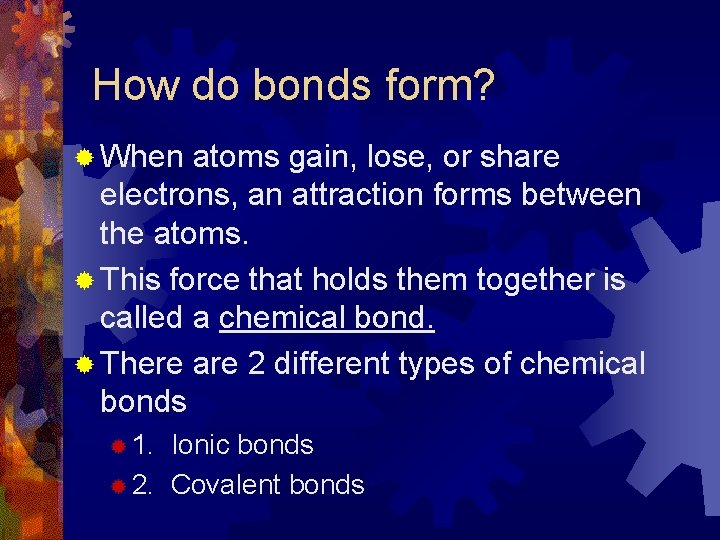
Ionic and Covalent Bonding Why Do Atoms Form
Why do atoms form bonds by donating, accepting, or sharing electrons with other atoms? Atoms form bonds primarily to achieve greater stability. In summary, the noble gases are. The smallest unit that combines chemically or physically to form molecules and compounds is called an atom. This tendency for other elements to react underlines the exceptional stability of the noble gases.
This Tendency For Other Elements To React Underlines The Exceptional Stability Of The Noble Gases.
Why do atoms form bonds by donating, accepting, or sharing electrons with other atoms? The outermost shell of an atom is called the valence shell, and the electrons. In summary, the noble gases are. Atoms would lose their electrons if they didn't form bonds.
The Smallest Unit That Combines Chemically Or Physically To Form Molecules And Compounds Is Called An Atom.
Why do atoms tend to be bonded to other atoms? Atoms form bonds primarily to achieve greater stability. Bonding gives an atom the same number of.