Where Are Squalls Most Likely To Form - Squalls are most likely to form at low altitude, typically near the ground. Squalls can arise in various climate zones, influenced by factors such as topography and temperature differences. They frequently occur in the atlantic and pacific oceans. Squalls are extremely recurrent wind events with unpredictable consequences. They are sudden, intense bursts of wind that can occur during. Squalls refer to the increase of the sustained winds over that time interval, as there may be higher gusts during a squall event. Squall lines commonly develop along or ahead of a cold front where warm, moist air meets cooler, denser air. [3] they usually occur in a.
Squall lines commonly develop along or ahead of a cold front where warm, moist air meets cooler, denser air. They are sudden, intense bursts of wind that can occur during. Squalls are extremely recurrent wind events with unpredictable consequences. Squalls refer to the increase of the sustained winds over that time interval, as there may be higher gusts during a squall event. [3] they usually occur in a. Squalls can arise in various climate zones, influenced by factors such as topography and temperature differences. Squalls are most likely to form at low altitude, typically near the ground. They frequently occur in the atlantic and pacific oceans.
Squalls can arise in various climate zones, influenced by factors such as topography and temperature differences. Squalls are extremely recurrent wind events with unpredictable consequences. They are sudden, intense bursts of wind that can occur during. Squall lines commonly develop along or ahead of a cold front where warm, moist air meets cooler, denser air. Squalls are most likely to form at low altitude, typically near the ground. Squalls refer to the increase of the sustained winds over that time interval, as there may be higher gusts during a squall event. They frequently occur in the atlantic and pacific oceans. [3] they usually occur in a.

Why Are Squall Lines So Powerful, And Why Do They Last So Long
Squall lines commonly develop along or ahead of a cold front where warm, moist air meets cooler, denser air. [3] they usually occur in a. They are sudden, intense bursts of wind that can occur during. Squalls are most likely to form at low altitude, typically near the ground. Squalls are extremely recurrent wind events with unpredictable consequences.

Squall lines commonly develop along or ahead of a cold front where warm, moist air meets cooler, denser air. Squalls can arise in various climate zones, influenced by factors such as topography and temperature differences. Squalls are extremely recurrent wind events with unpredictable consequences. Squalls are most likely to form at low altitude, typically near the ground. Squalls refer to.
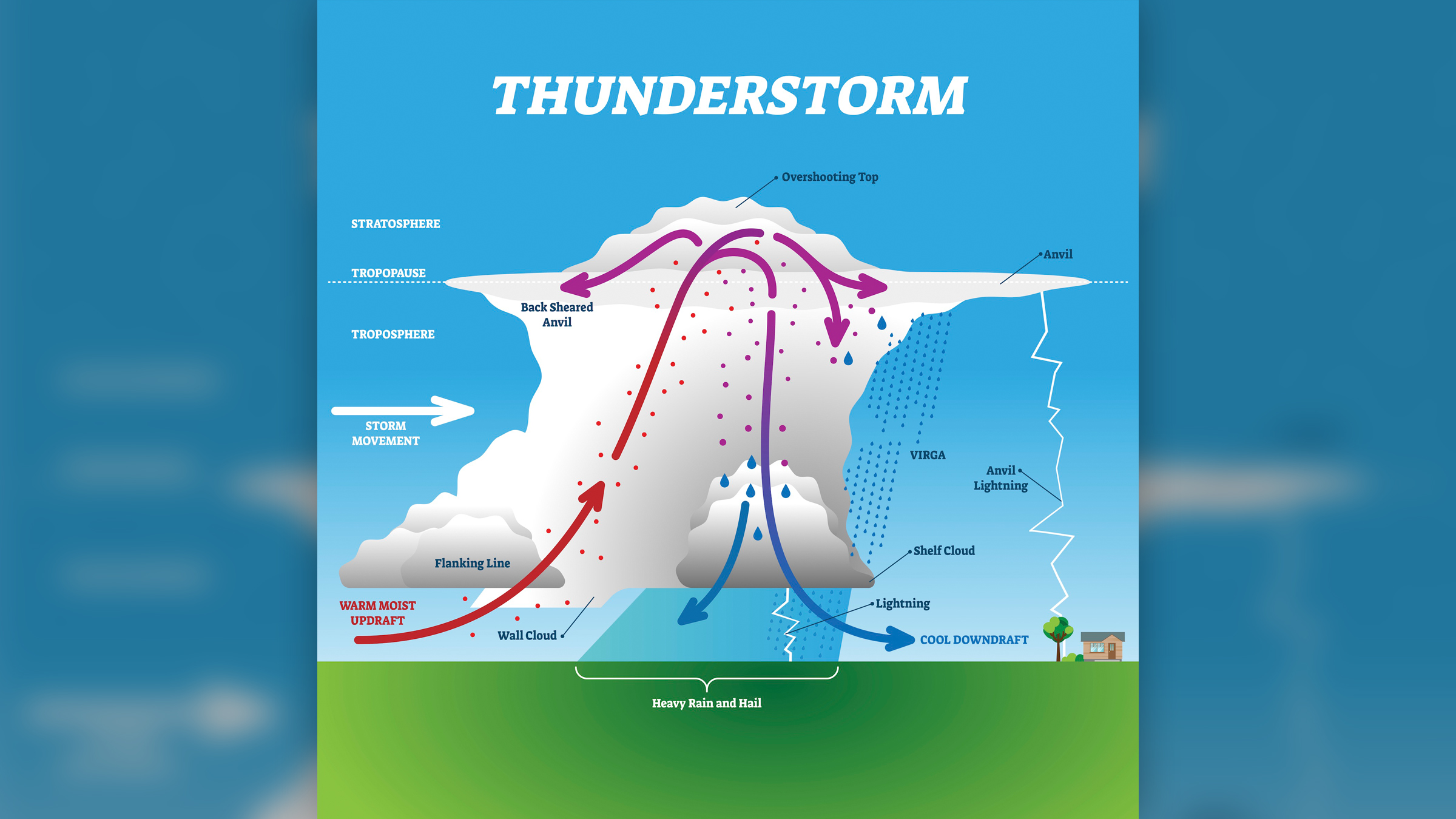
What is a squall? Live Science
Squalls refer to the increase of the sustained winds over that time interval, as there may be higher gusts during a squall event. They are sudden, intense bursts of wind that can occur during. Squall lines commonly develop along or ahead of a cold front where warm, moist air meets cooler, denser air. [3] they usually occur in a. They.
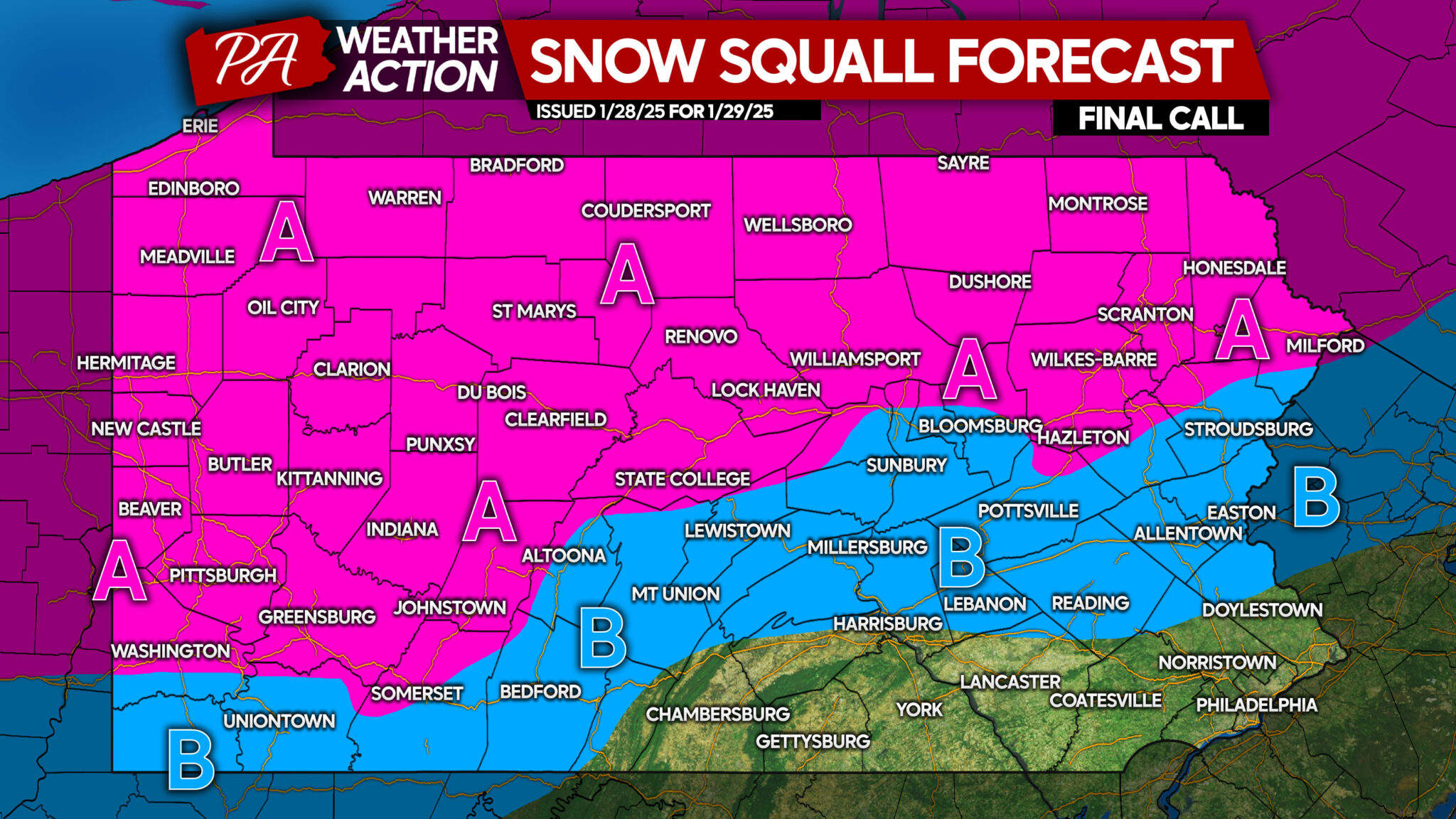
Final Call Forecast for Intense Snow Squalls Likely to Hit Parts of
They frequently occur in the atlantic and pacific oceans. [3] they usually occur in a. Squall lines commonly develop along or ahead of a cold front where warm, moist air meets cooler, denser air. Squalls are most likely to form at low altitude, typically near the ground. They are sudden, intense bursts of wind that can occur during.

Chapter 10 Thunderstorms and Tornadoes ppt video online download
Squalls can arise in various climate zones, influenced by factors such as topography and temperature differences. Squalls are extremely recurrent wind events with unpredictable consequences. They frequently occur in the atlantic and pacific oceans. Squall lines commonly develop along or ahead of a cold front where warm, moist air meets cooler, denser air. Squalls refer to the increase of the.
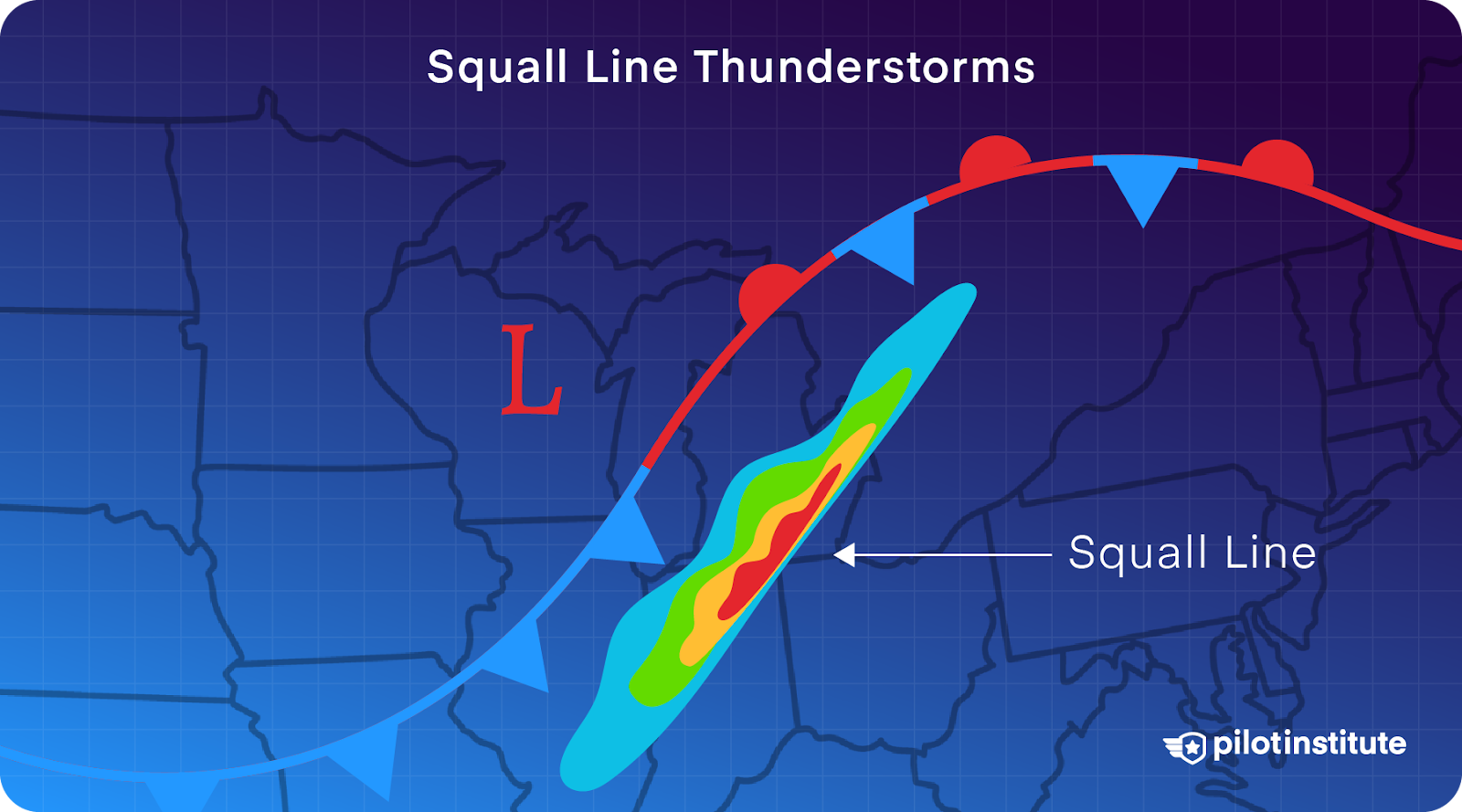
Types of Thunderstorms in Aviation From Simple to Severe Pilot Institute
Squalls are most likely to form at low altitude, typically near the ground. Squalls refer to the increase of the sustained winds over that time interval, as there may be higher gusts during a squall event. Squall lines commonly develop along or ahead of a cold front where warm, moist air meets cooler, denser air. They are sudden, intense bursts.
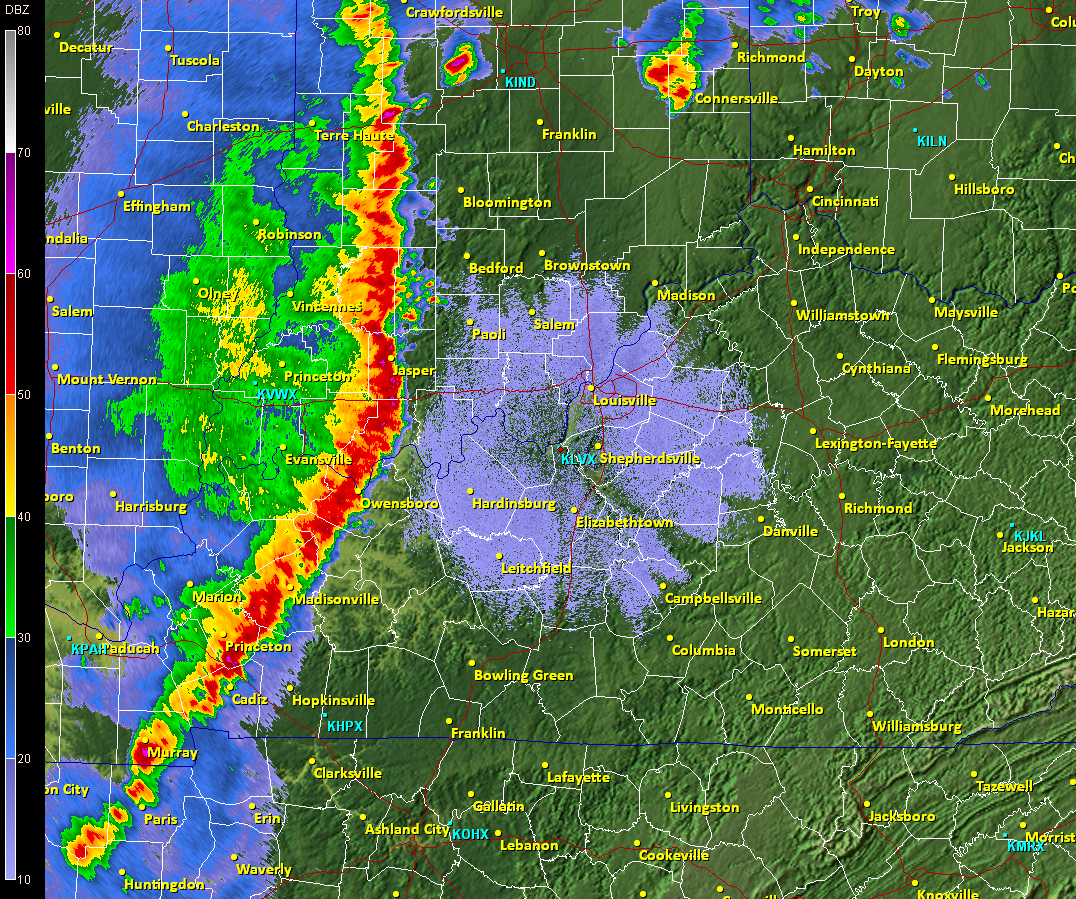
weekly weather report...them The Key Play
[3] they usually occur in a. Squalls can arise in various climate zones, influenced by factors such as topography and temperature differences. They are sudden, intense bursts of wind that can occur during. Squalls are extremely recurrent wind events with unpredictable consequences. Squall lines commonly develop along or ahead of a cold front where warm, moist air meets cooler, denser.
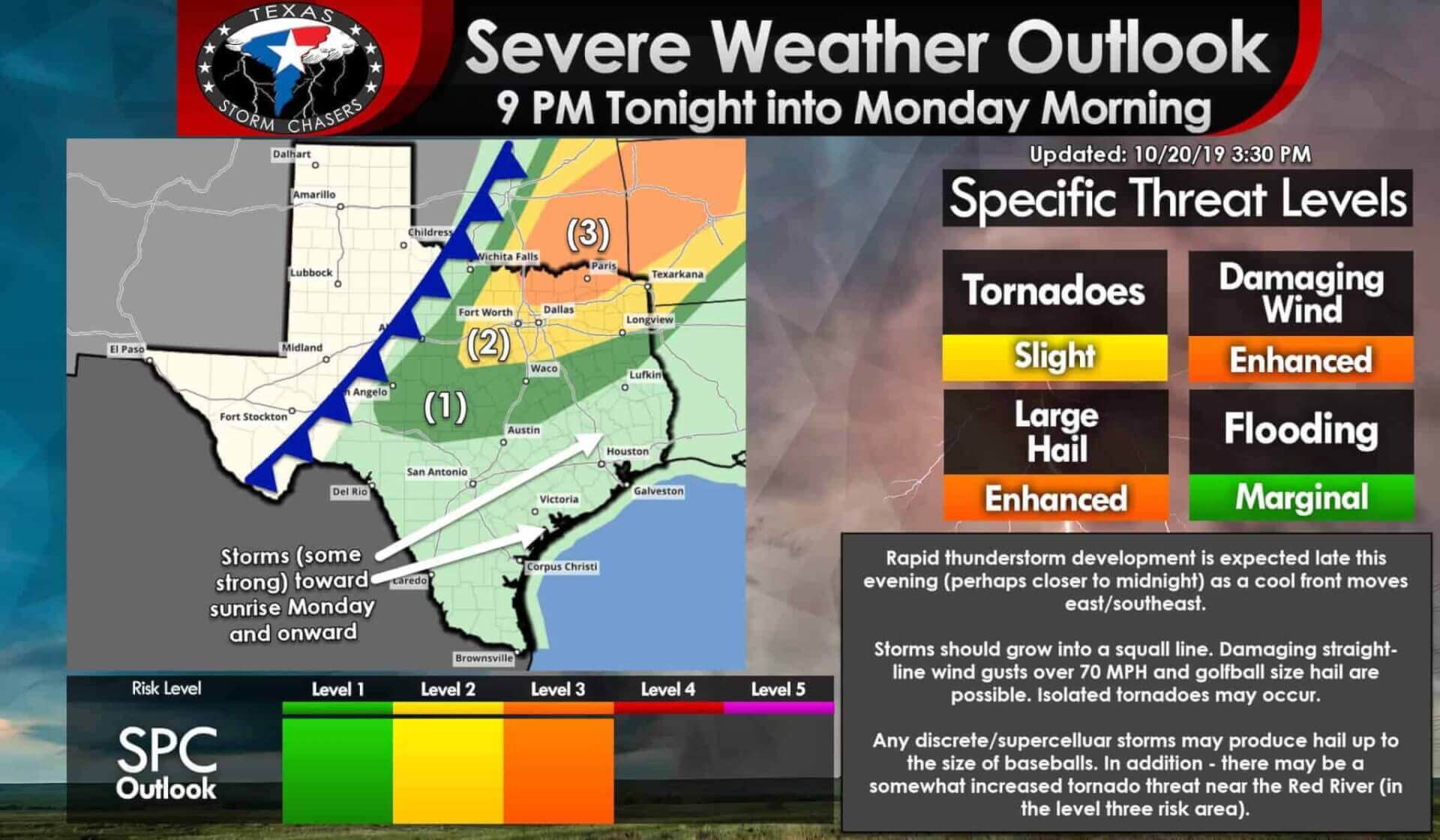
Severe storms likely to form after 10 PM in Texoma & North Texas
They are sudden, intense bursts of wind that can occur during. Squall lines commonly develop along or ahead of a cold front where warm, moist air meets cooler, denser air. Squalls are most likely to form at low altitude, typically near the ground. They frequently occur in the atlantic and pacific oceans. Squalls refer to the increase of the sustained.
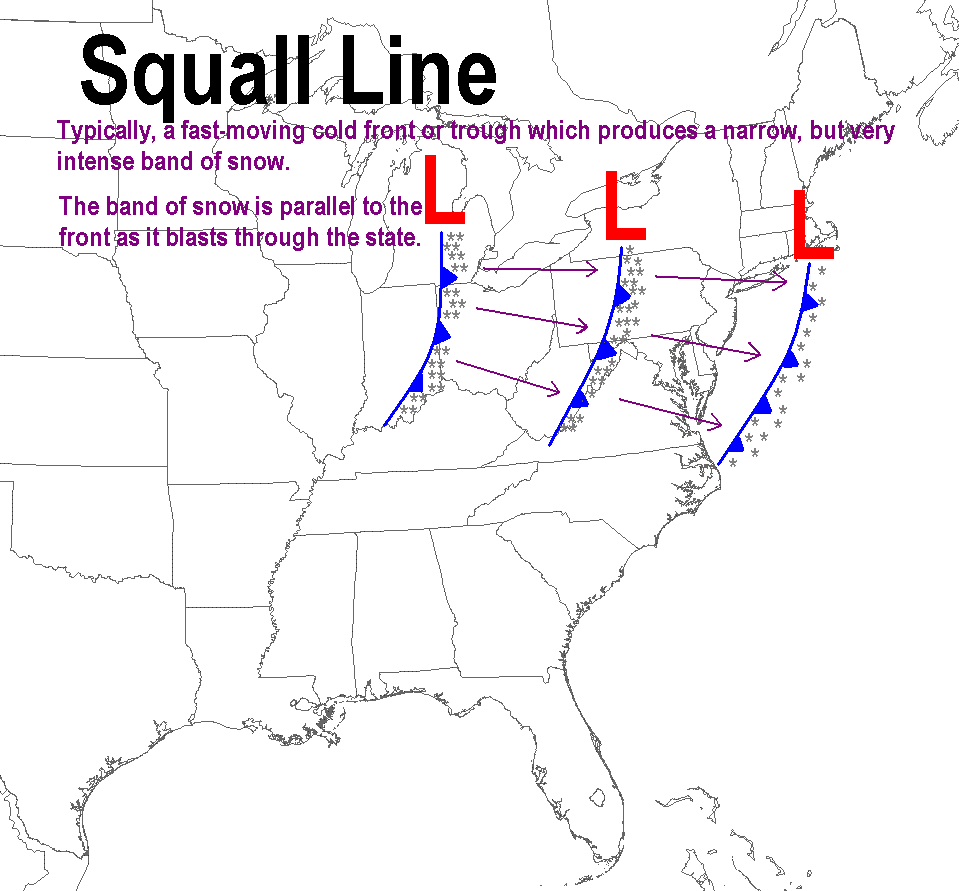
Types of Storms that Typically Produce Heavy Snow in PA
Squall lines commonly develop along or ahead of a cold front where warm, moist air meets cooler, denser air. [3] they usually occur in a. They frequently occur in the atlantic and pacific oceans. Squalls can arise in various climate zones, influenced by factors such as topography and temperature differences. They are sudden, intense bursts of wind that can occur.

AIR MASSES & FRONTS. ppt download
Squall lines commonly develop along or ahead of a cold front where warm, moist air meets cooler, denser air. Squalls can arise in various climate zones, influenced by factors such as topography and temperature differences. Squalls refer to the increase of the sustained winds over that time interval, as there may be higher gusts during a squall event. Squalls are.
Squalls Refer To The Increase Of The Sustained Winds Over That Time Interval, As There May Be Higher Gusts During A Squall Event.
[3] they usually occur in a. Squall lines commonly develop along or ahead of a cold front where warm, moist air meets cooler, denser air. Squalls can arise in various climate zones, influenced by factors such as topography and temperature differences. They are sudden, intense bursts of wind that can occur during.
Squalls Are Extremely Recurrent Wind Events With Unpredictable Consequences.
Squalls are most likely to form at low altitude, typically near the ground. They frequently occur in the atlantic and pacific oceans.