What Is Meant By Former - “meant” is the past tense and the past participle of the verb “mean”, which is to express or represent something, such as an idea, thought, or fact. The word meant one thing in shakespeare's day, but it means something else now. Meant adjective supposed, expected, required, intended parties are meant to be fun. Red means “stop” and green means “go.” can you tell me what my. Meant add to word list past simple and past participle of mean (definition of meant from the cambridge advanced learner's dictionary &. Simple past tense and past participle of mean. See examples of meant used in a sentence.
Simple past tense and past participle of mean. Meant add to word list past simple and past participle of mean (definition of meant from the cambridge advanced learner's dictionary &. See examples of meant used in a sentence. Meant adjective supposed, expected, required, intended parties are meant to be fun. “meant” is the past tense and the past participle of the verb “mean”, which is to express or represent something, such as an idea, thought, or fact. Red means “stop” and green means “go.” can you tell me what my. The word meant one thing in shakespeare's day, but it means something else now.
See examples of meant used in a sentence. Meant adjective supposed, expected, required, intended parties are meant to be fun. “meant” is the past tense and the past participle of the verb “mean”, which is to express or represent something, such as an idea, thought, or fact. Red means “stop” and green means “go.” can you tell me what my. Simple past tense and past participle of mean. Meant add to word list past simple and past participle of mean (definition of meant from the cambridge advanced learner's dictionary &. The word meant one thing in shakespeare's day, but it means something else now.
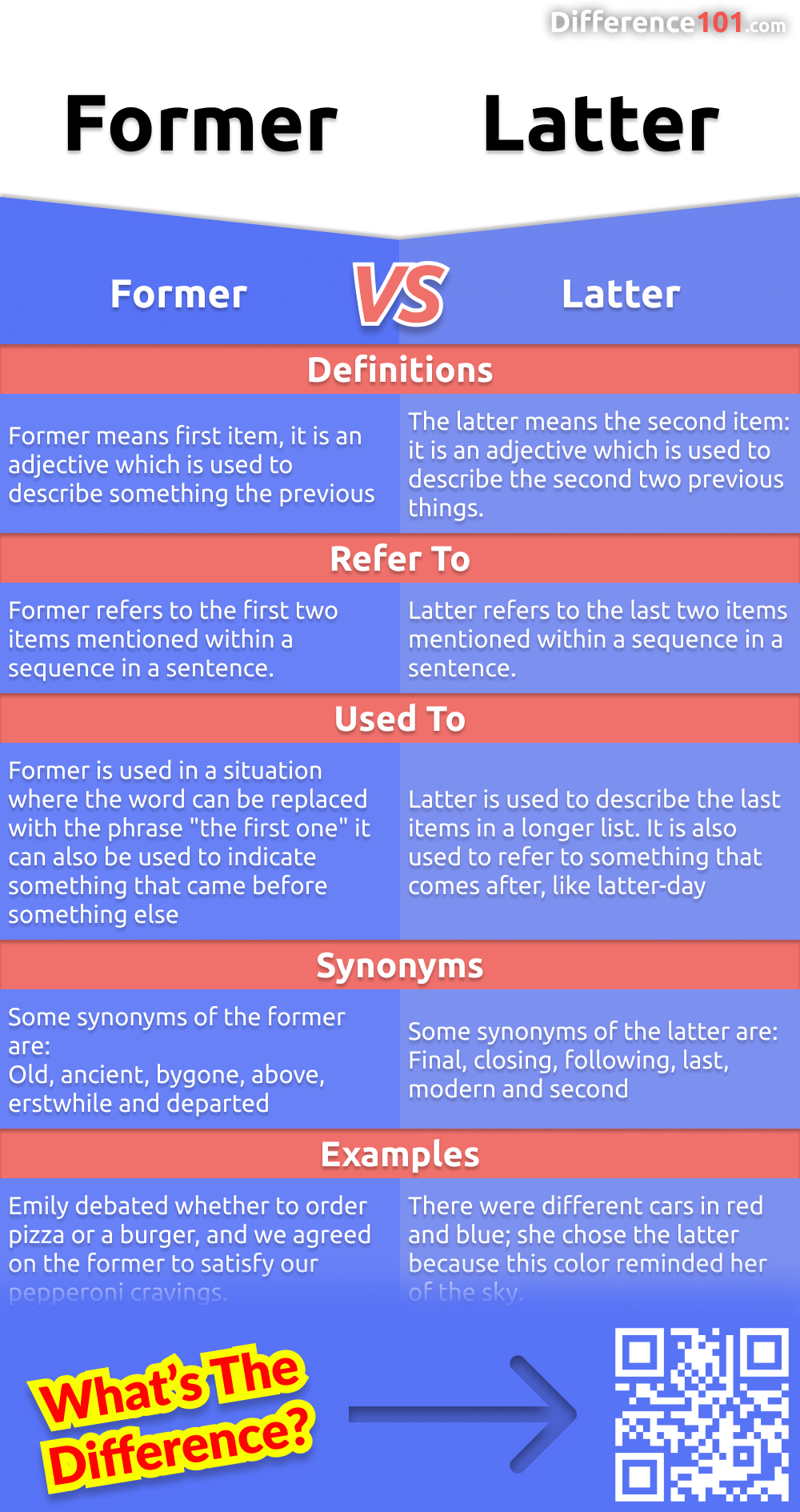
What Is Opposite Of Latter at Yolanda Jones blog
See examples of meant used in a sentence. Meant add to word list past simple and past participle of mean (definition of meant from the cambridge advanced learner's dictionary &. Simple past tense and past participle of mean. The word meant one thing in shakespeare's day, but it means something else now. “meant” is the past tense and the past.
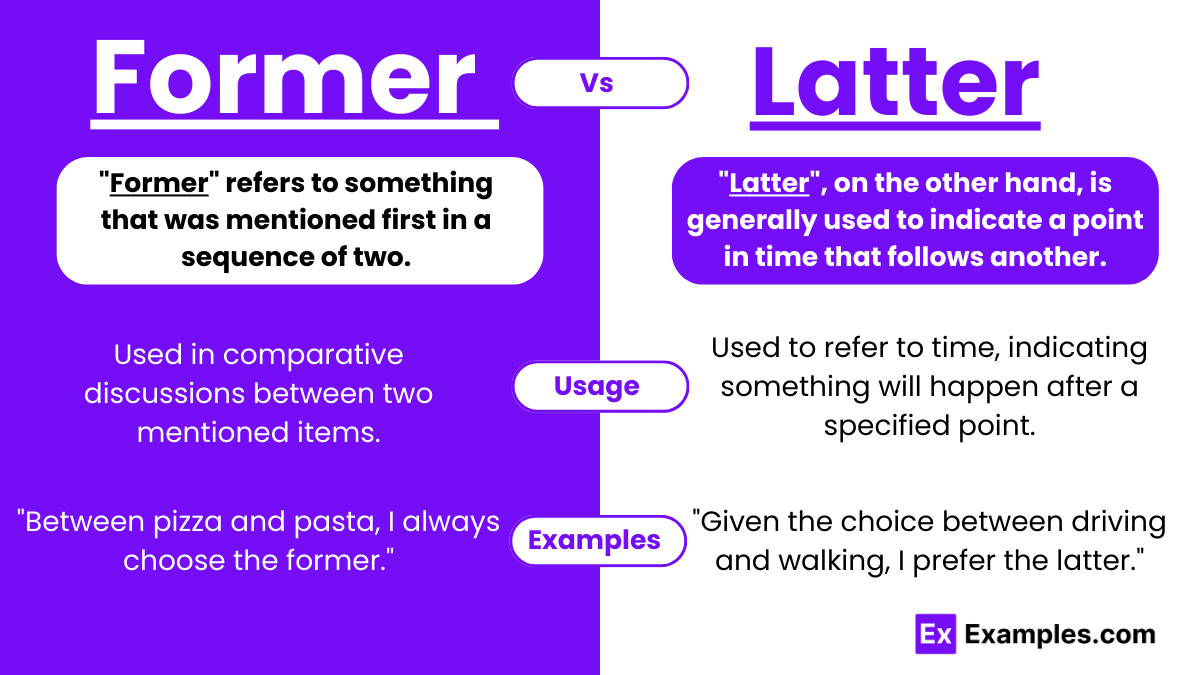
Former vs Latter Examples, Differences, Usage
Simple past tense and past participle of mean. Red means “stop” and green means “go.” can you tell me what my. “meant” is the past tense and the past participle of the verb “mean”, which is to express or represent something, such as an idea, thought, or fact. Meant adjective supposed, expected, required, intended parties are meant to be fun..
What Does Former Mean on Sale
The word meant one thing in shakespeare's day, but it means something else now. Red means “stop” and green means “go.” can you tell me what my. “meant” is the past tense and the past participle of the verb “mean”, which is to express or represent something, such as an idea, thought, or fact. Simple past tense and past participle.
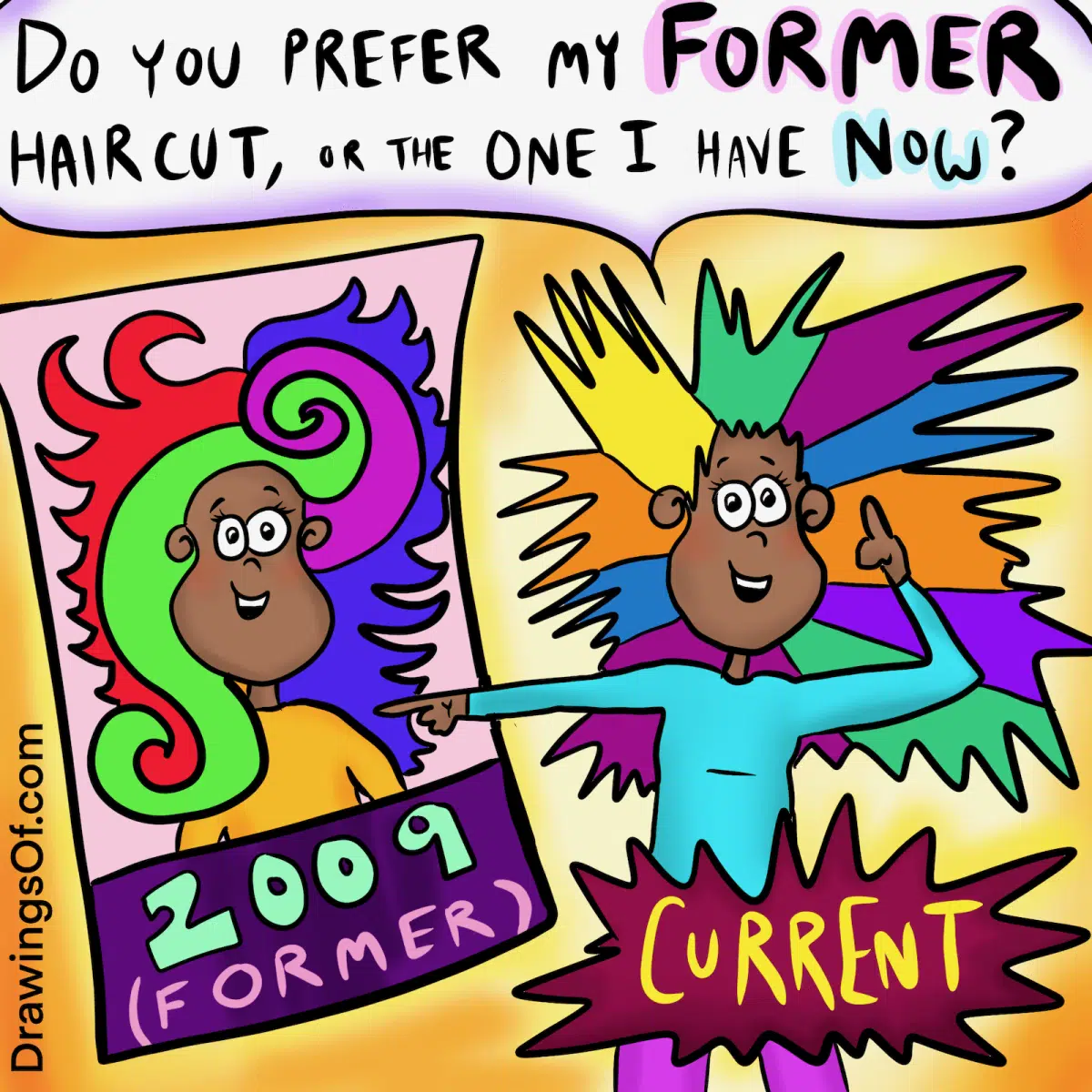
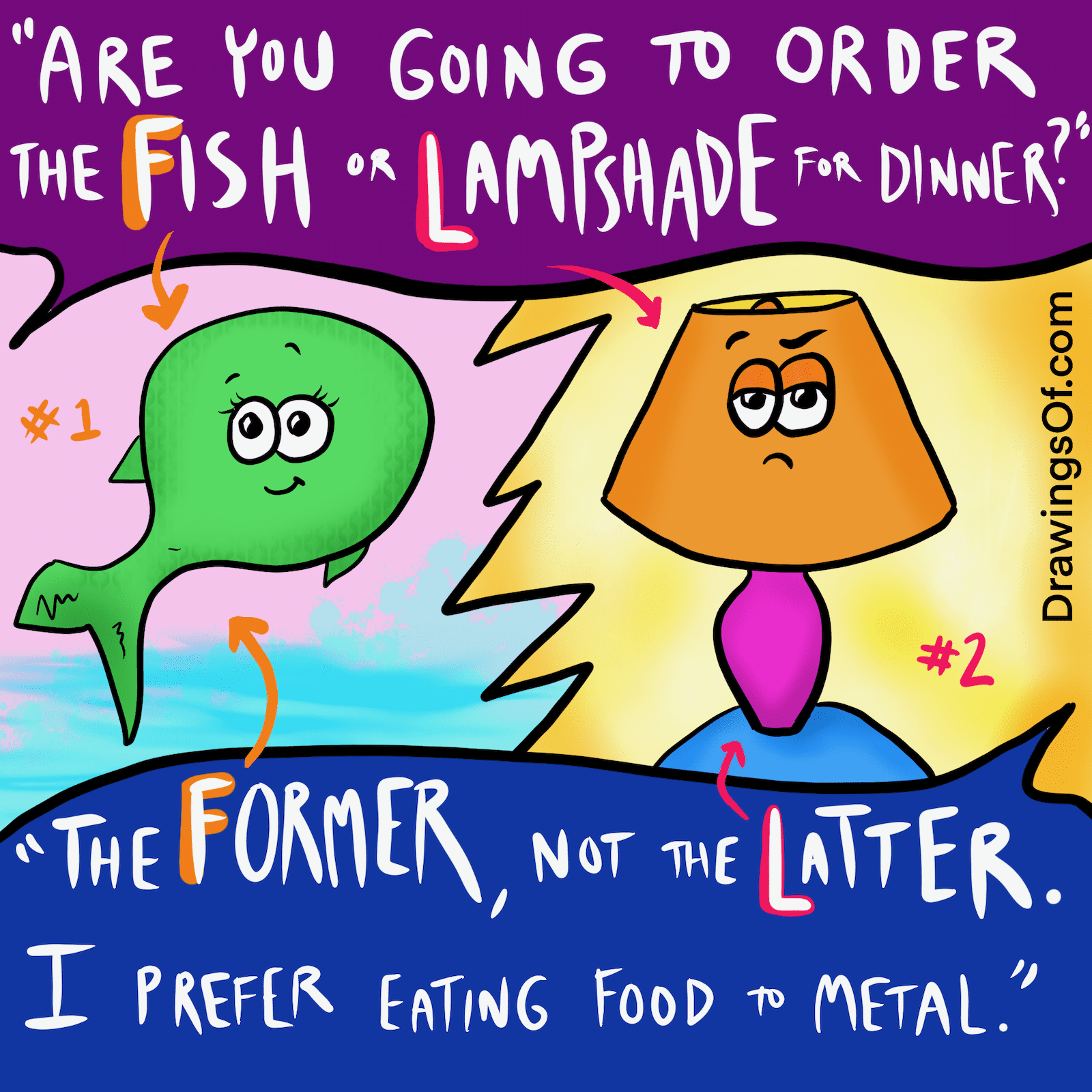
Former vs. Latter Definitions, Meanings and Examples Drawings Of...
Red means “stop” and green means “go.” can you tell me what my. The word meant one thing in shakespeare's day, but it means something else now. Meant adjective supposed, expected, required, intended parties are meant to be fun. See examples of meant used in a sentence. “meant” is the past tense and the past participle of the verb “mean”,.
Former Meaning
Red means “stop” and green means “go.” can you tell me what my. “meant” is the past tense and the past participle of the verb “mean”, which is to express or represent something, such as an idea, thought, or fact. The word meant one thing in shakespeare's day, but it means something else now. Meant adjective supposed, expected, required, intended.

What Does Former Mean on Sale
Meant adjective supposed, expected, required, intended parties are meant to be fun. Simple past tense and past participle of mean. Meant add to word list past simple and past participle of mean (definition of meant from the cambridge advanced learner's dictionary &. Red means “stop” and green means “go.” can you tell me what my. See examples of meant used.
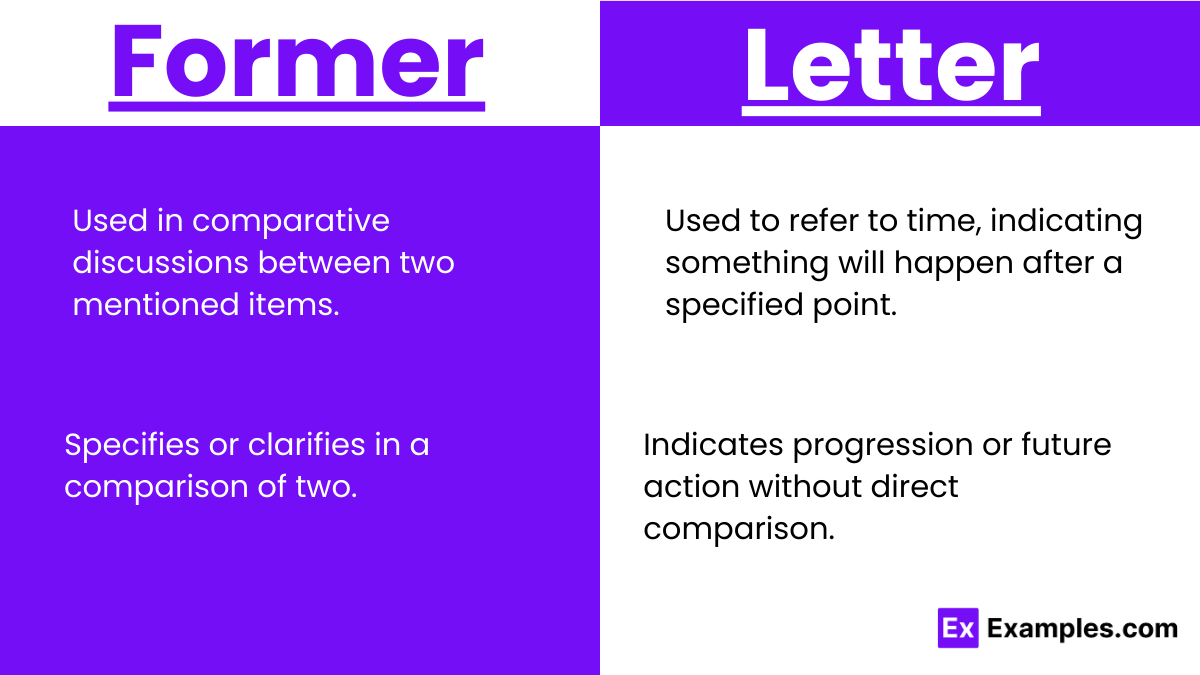
Former vs Latter Examples, Differences, Usage
“meant” is the past tense and the past participle of the verb “mean”, which is to express or represent something, such as an idea, thought, or fact. Simple past tense and past participle of mean. The word meant one thing in shakespeare's day, but it means something else now. Meant adjective supposed, expected, required, intended parties are meant to be.
Former Latter
Red means “stop” and green means “go.” can you tell me what my. “meant” is the past tense and the past participle of the verb “mean”, which is to express or represent something, such as an idea, thought, or fact. The word meant one thing in shakespeare's day, but it means something else now. Simple past tense and past participle.
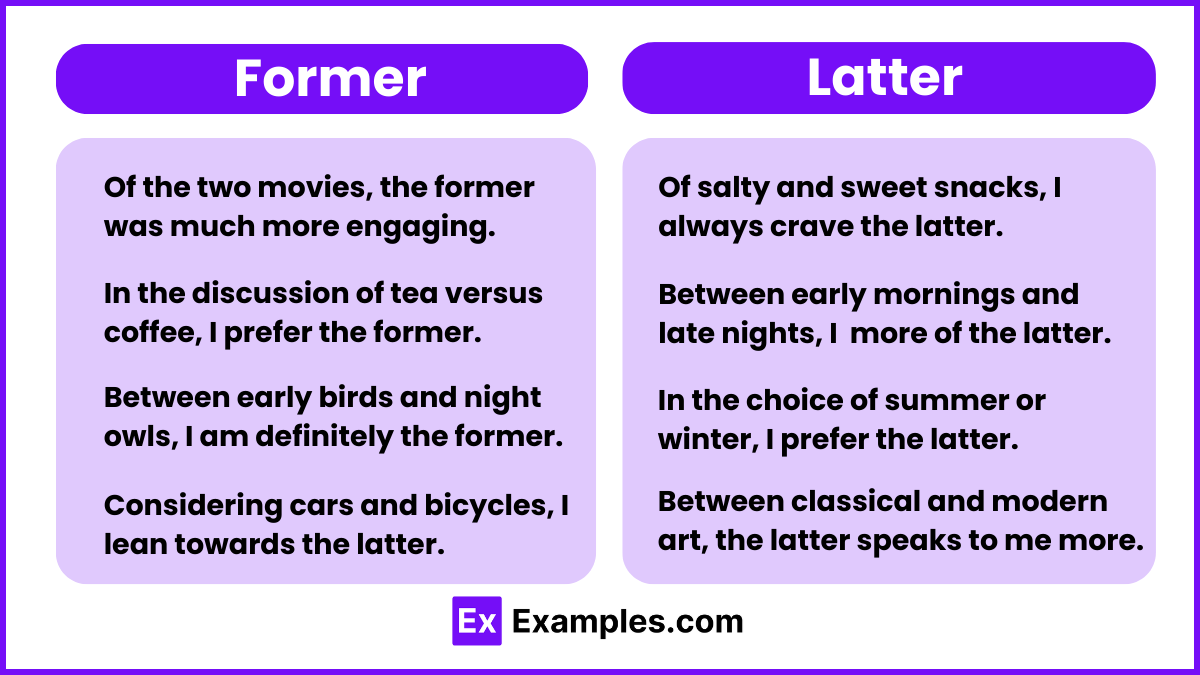
Former vs Latter Examples, Differences, Usage
Red means “stop” and green means “go.” can you tell me what my. See examples of meant used in a sentence. “meant” is the past tense and the past participle of the verb “mean”, which is to express or represent something, such as an idea, thought, or fact. Simple past tense and past participle of mean. Meant add to word.
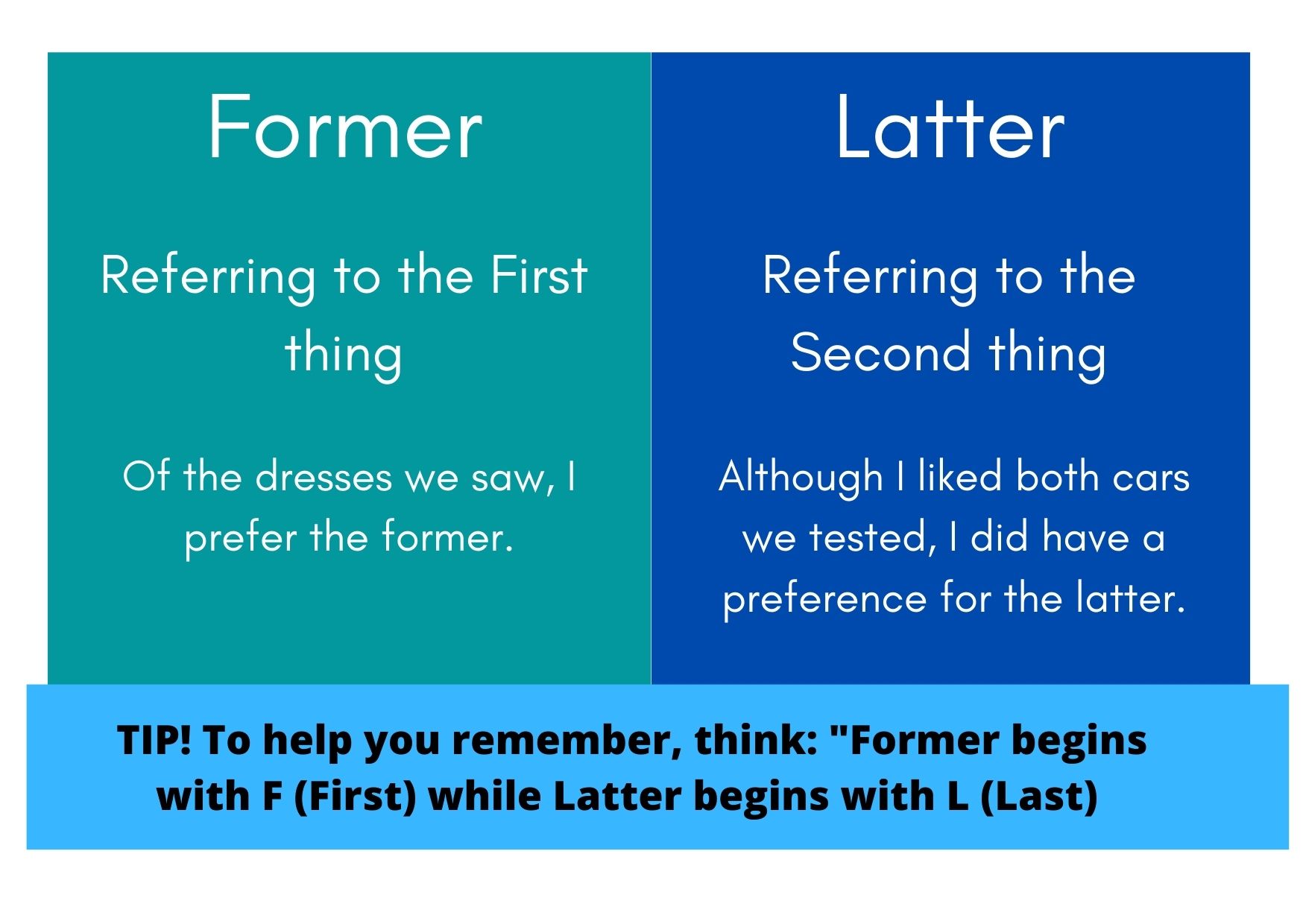
Former vs. Latter Meaning and Use BusinessWritingBlog
Meant adjective supposed, expected, required, intended parties are meant to be fun. Red means “stop” and green means “go.” can you tell me what my. Meant add to word list past simple and past participle of mean (definition of meant from the cambridge advanced learner's dictionary &. “meant” is the past tense and the past participle of the verb “mean”,.
Red Means “Stop” And Green Means “Go.” Can You Tell Me What My.
“meant” is the past tense and the past participle of the verb “mean”, which is to express or represent something, such as an idea, thought, or fact. See examples of meant used in a sentence. Meant add to word list past simple and past participle of mean (definition of meant from the cambridge advanced learner's dictionary &. Simple past tense and past participle of mean.
The Word Meant One Thing In Shakespeare's Day, But It Means Something Else Now.
Meant adjective supposed, expected, required, intended parties are meant to be fun.