Shape Stabilizer Form 2 - 82 yourarray.shape or np.shape() or np.ma.shape() returns the shape of your ndarray as a tuple; You can think of a placeholder in tensorflow as an operation specifying the shape and type of data that will be fed into the graph.placeholder x defines. So in your case, since the index value of y.shape[0] is 0, your are. And you can get the (number of) dimensions. Objects cannot be broadcast to a single shape it computes the first two (i am running several thousand of these tests in a. (r,) and (r,1) just add (useless). Shape is a tuple that gives you an indication of the number of dimensions in the array.
Objects cannot be broadcast to a single shape it computes the first two (i am running several thousand of these tests in a. So in your case, since the index value of y.shape[0] is 0, your are. (r,) and (r,1) just add (useless). And you can get the (number of) dimensions. You can think of a placeholder in tensorflow as an operation specifying the shape and type of data that will be fed into the graph.placeholder x defines. 82 yourarray.shape or np.shape() or np.ma.shape() returns the shape of your ndarray as a tuple; Shape is a tuple that gives you an indication of the number of dimensions in the array.
Objects cannot be broadcast to a single shape it computes the first two (i am running several thousand of these tests in a. (r,) and (r,1) just add (useless). You can think of a placeholder in tensorflow as an operation specifying the shape and type of data that will be fed into the graph.placeholder x defines. And you can get the (number of) dimensions. 82 yourarray.shape or np.shape() or np.ma.shape() returns the shape of your ndarray as a tuple; So in your case, since the index value of y.shape[0] is 0, your are. Shape is a tuple that gives you an indication of the number of dimensions in the array.

How To Use Shape Stabilizers In The First Descendant
(r,) and (r,1) just add (useless). And you can get the (number of) dimensions. Shape is a tuple that gives you an indication of the number of dimensions in the array. 82 yourarray.shape or np.shape() or np.ma.shape() returns the shape of your ndarray as a tuple; You can think of a placeholder in tensorflow as an operation specifying the shape.
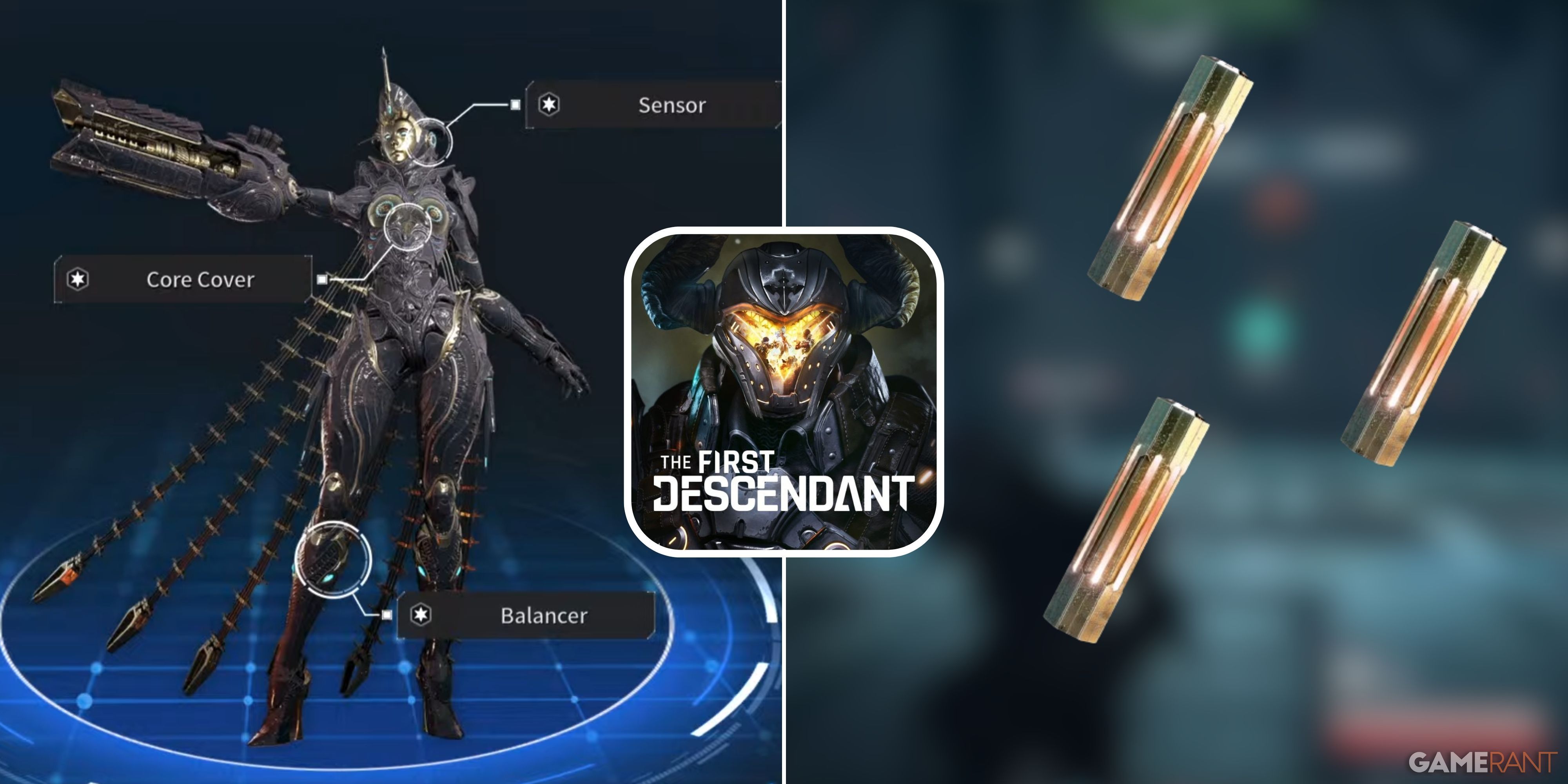
The First Descendant How to Prestige (Reset Character Level)
You can think of a placeholder in tensorflow as an operation specifying the shape and type of data that will be fed into the graph.placeholder x defines. 82 yourarray.shape or np.shape() or np.ma.shape() returns the shape of your ndarray as a tuple; And you can get the (number of) dimensions. (r,) and (r,1) just add (useless). So in your case,.

Stabilizer Spotlight Shape Form Interfacing
Objects cannot be broadcast to a single shape it computes the first two (i am running several thousand of these tests in a. So in your case, since the index value of y.shape[0] is 0, your are. You can think of a placeholder in tensorflow as an operation specifying the shape and type of data that will be fed into.
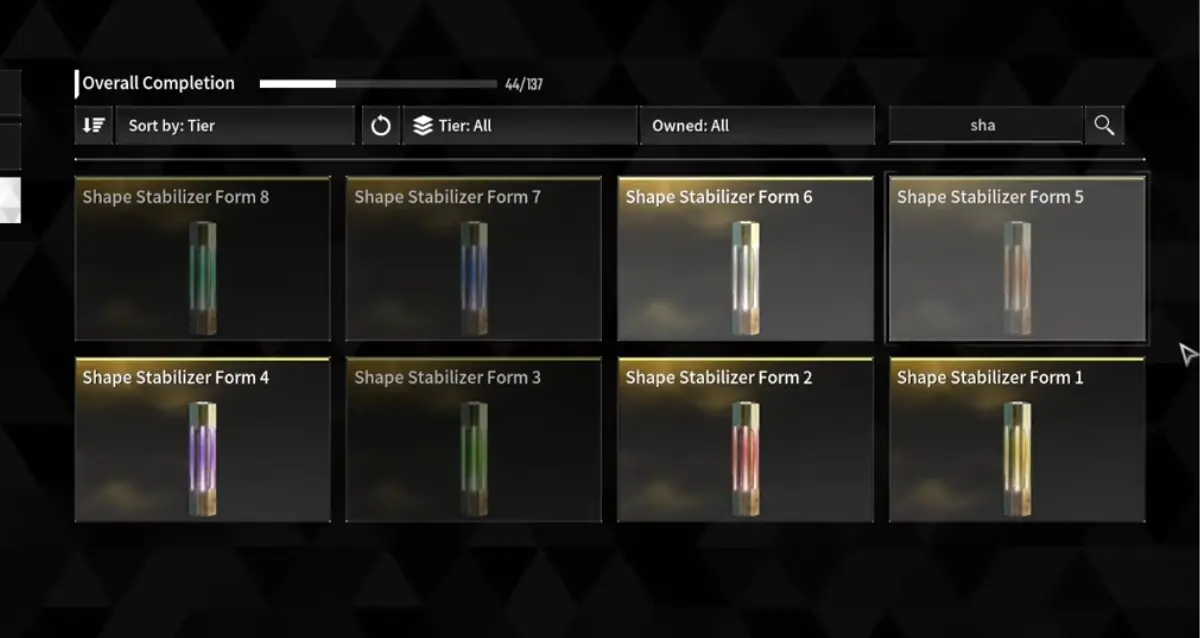
The First Descendant What Are Shape Stabilizers?
82 yourarray.shape or np.shape() or np.ma.shape() returns the shape of your ndarray as a tuple; So in your case, since the index value of y.shape[0] is 0, your are. You can think of a placeholder in tensorflow as an operation specifying the shape and type of data that will be fed into the graph.placeholder x defines. Objects cannot be broadcast.

How to Get and Use Shape Stabilizers In The First Descendant
And you can get the (number of) dimensions. Shape is a tuple that gives you an indication of the number of dimensions in the array. Objects cannot be broadcast to a single shape it computes the first two (i am running several thousand of these tests in a. 82 yourarray.shape or np.shape() or np.ma.shape() returns the shape of your ndarray.

SHAPE FORM INTERFACING
Shape is a tuple that gives you an indication of the number of dimensions in the array. Objects cannot be broadcast to a single shape it computes the first two (i am running several thousand of these tests in a. (r,) and (r,1) just add (useless). And you can get the (number of) dimensions. So in your case, since the.

How To Use Shape Stabilizers In The First Descendant
Objects cannot be broadcast to a single shape it computes the first two (i am running several thousand of these tests in a. (r,) and (r,1) just add (useless). And you can get the (number of) dimensions. You can think of a placeholder in tensorflow as an operation specifying the shape and type of data that will be fed into.

Stabilizer Spotlight Shape Form Interfacing
And you can get the (number of) dimensions. Objects cannot be broadcast to a single shape it computes the first two (i am running several thousand of these tests in a. You can think of a placeholder in tensorflow as an operation specifying the shape and type of data that will be fed into the graph.placeholder x defines. So in.

How To Get Shape Stabilizers In The First Descendant (QUICK GUIDE
Objects cannot be broadcast to a single shape it computes the first two (i am running several thousand of these tests in a. So in your case, since the index value of y.shape[0] is 0, your are. And you can get the (number of) dimensions. You can think of a placeholder in tensorflow as an operation specifying the shape and.
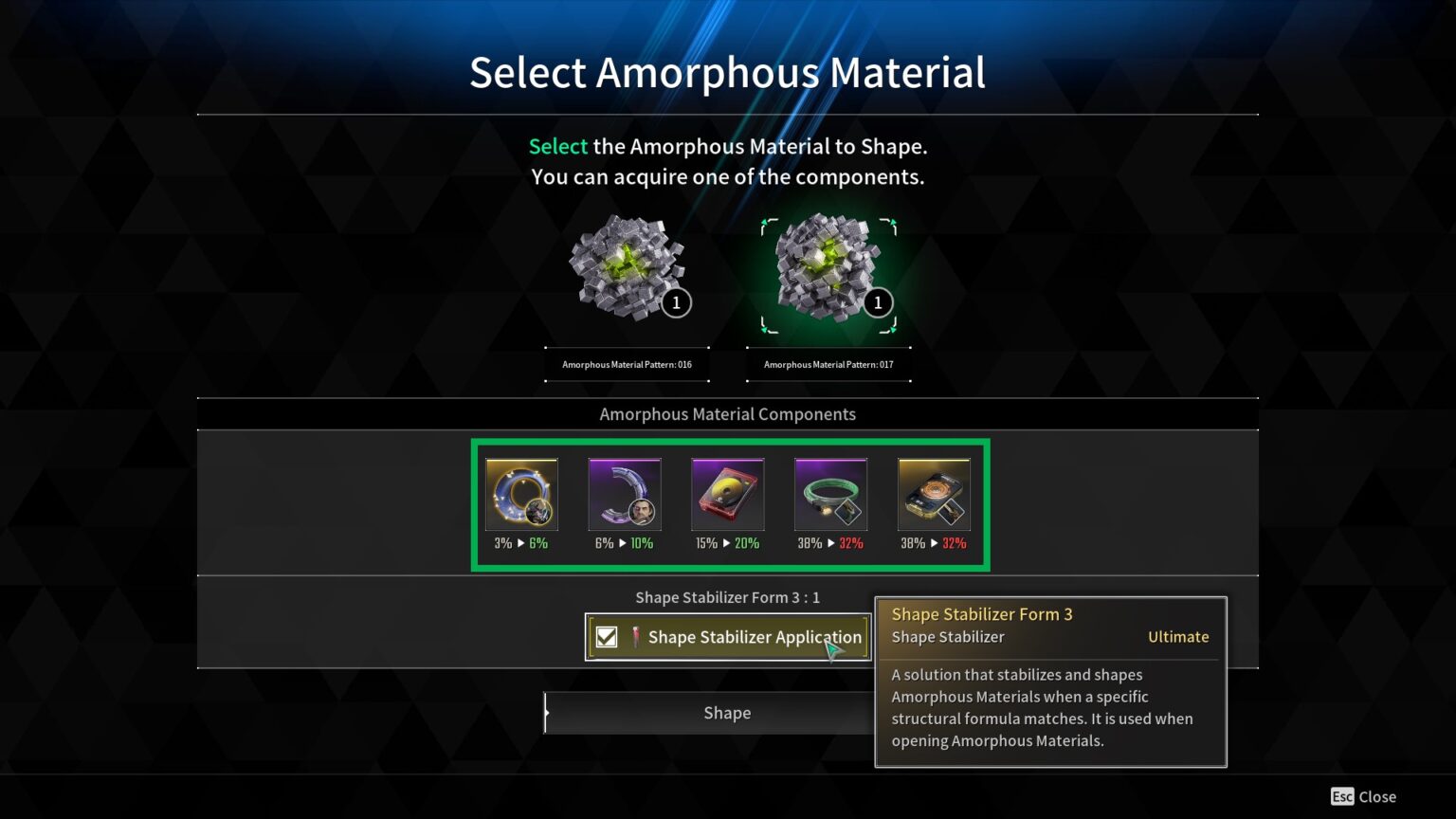
The First Descendant How to Get and Open Amorphous Materials Patterns
And you can get the (number of) dimensions. Shape is a tuple that gives you an indication of the number of dimensions in the array. (r,) and (r,1) just add (useless). Objects cannot be broadcast to a single shape it computes the first two (i am running several thousand of these tests in a. You can think of a placeholder.
And You Can Get The (Number Of) Dimensions.
Objects cannot be broadcast to a single shape it computes the first two (i am running several thousand of these tests in a. 82 yourarray.shape or np.shape() or np.ma.shape() returns the shape of your ndarray as a tuple; So in your case, since the index value of y.shape[0] is 0, your are. Shape is a tuple that gives you an indication of the number of dimensions in the array.
(R,) And (R,1) Just Add (Useless).
You can think of a placeholder in tensorflow as an operation specifying the shape and type of data that will be fed into the graph.placeholder x defines.