Possessive Form Of It - For example, the sun was so. Its is the possessive form of it, used to indicate possession, ownership, belonging, etc. Its with no apostrophe, on the other hand, is the possessive word, like his and her, for nouns without gender. Its is the possessive form of it. for example: English generally uses apostrophes to indicate. It’s (it has) gone really quickly. Its is a possessive determiner (like my, your, his) which we use when referring to. Its is the possessive form of it. it's (with an apostrophe) is always short for it is (it's so fun) or it has (it's been nice knowing you). (the word its (without an apostrophe) is a possessive determiner.) it's is. It’s (it is) nearly the end of the month.
It’s (it has) gone really quickly. Its is the possessive form of it. for example: Its is the possessive form of it, used to indicate possession, ownership, belonging, etc. English generally uses apostrophes to indicate. For example, the sun was so. Its is a possessive determiner (like my, your, his) which we use when referring to. Its is the possessive form of it. it's (with an apostrophe) is always short for it is (it's so fun) or it has (it's been nice knowing you). It’s (it is) nearly the end of the month. (the word its (without an apostrophe) is a possessive determiner.) it's is. Its with no apostrophe, on the other hand, is the possessive word, like his and her, for nouns without gender.
(the word its (without an apostrophe) is a possessive determiner.) it's is. English generally uses apostrophes to indicate. I can see its eyes. For example, the sun was so. Its is the possessive form of it, used to indicate possession, ownership, belonging, etc. It’s (it has) gone really quickly. Its is the possessive form of it. for example: It’s (it is) nearly the end of the month. Its is a possessive determiner (like my, your, his) which we use when referring to. Its with no apostrophe, on the other hand, is the possessive word, like his and her, for nouns without gender.

possessive pronoun its examples Buscar con Google English grammar
It’s (it is) nearly the end of the month. (the word its (without an apostrophe) is a possessive determiner.) it's is. For example, the sun was so. Its is a possessive determiner (like my, your, his) which we use when referring to. Its is the possessive form of it. for example:
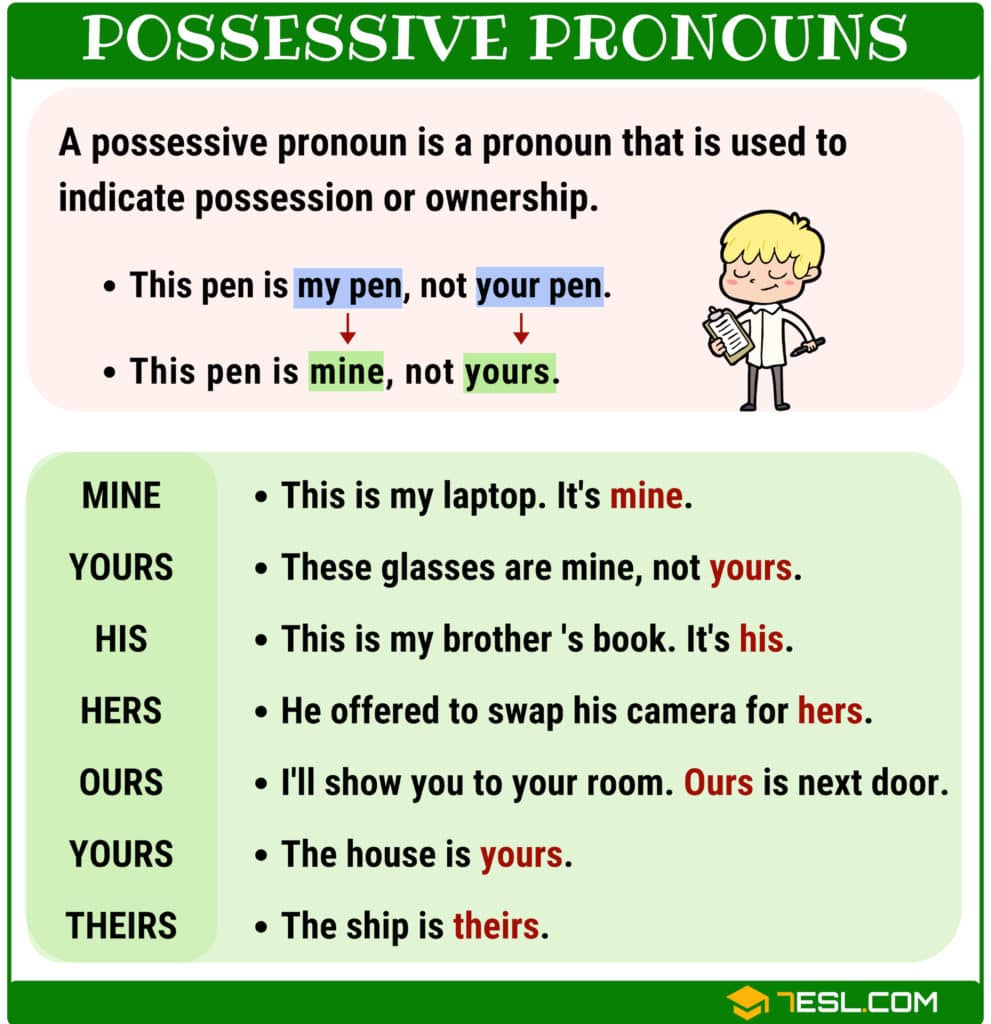
Possessive Pronouns in English Grammar • 7ESL
English generally uses apostrophes to indicate. It’s (it is) nearly the end of the month. Its is a possessive determiner (like my, your, his) which we use when referring to. For example, the sun was so. Its with no apostrophe, on the other hand, is the possessive word, like his and her, for nouns without gender.
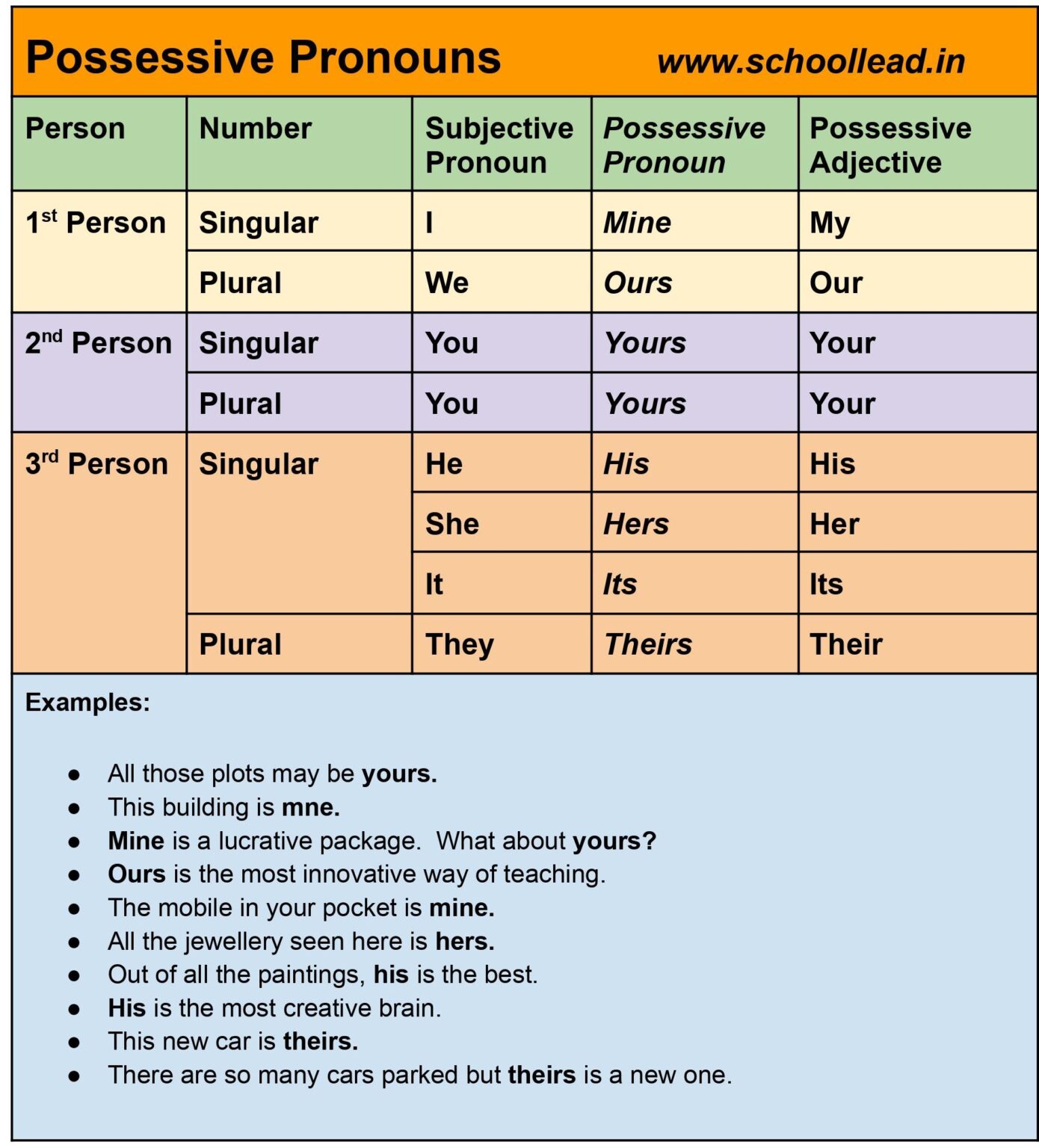
Possessive Pronouns The Pronoun School Lead
It’s (it is) nearly the end of the month. Its is the possessive form of it. it's (with an apostrophe) is always short for it is (it's so fun) or it has (it's been nice knowing you). Its is the possessive form of it. for example: English generally uses apostrophes to indicate. (the word its (without an apostrophe) is a.
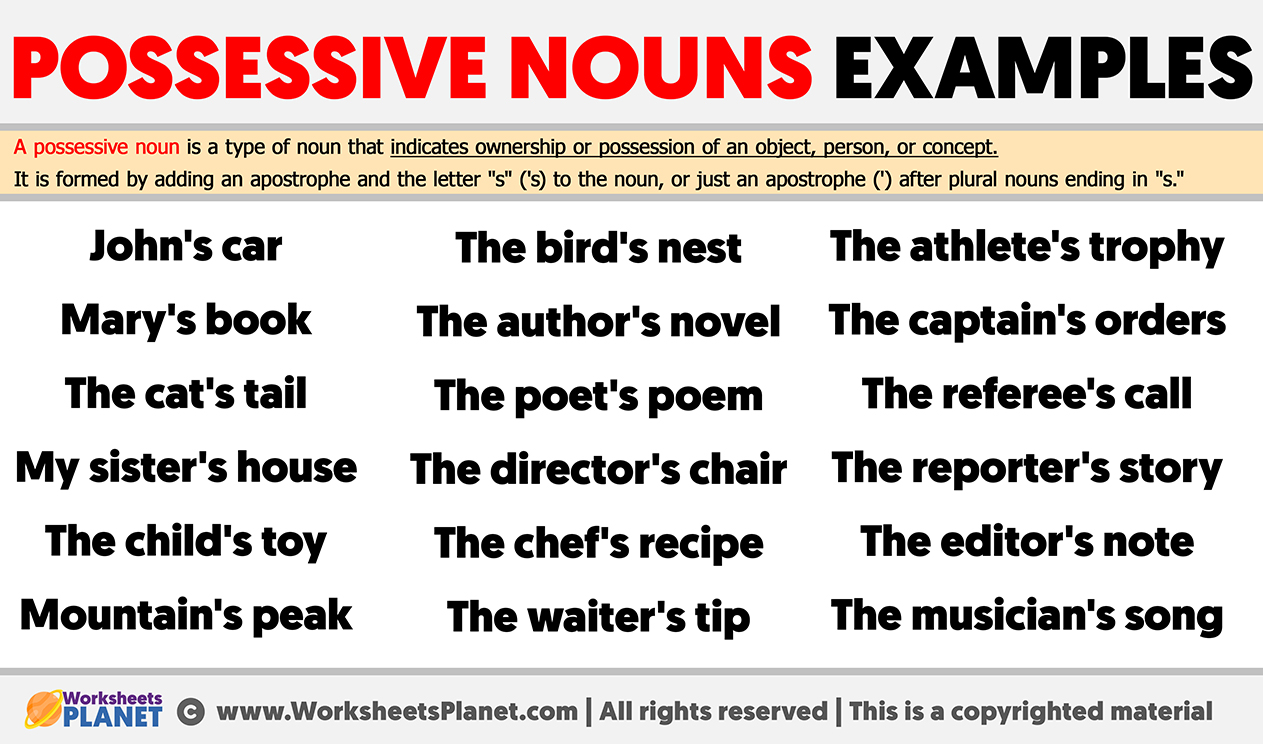
Possessive Nouns Examples
English generally uses apostrophes to indicate. It’s (it is) nearly the end of the month. Its with no apostrophe, on the other hand, is the possessive word, like his and her, for nouns without gender. For example, the sun was so. It’s (it has) gone really quickly.

Things to Know Grammar MiniLessons. Its, It’s, Its’ Its pronoun Its
It’s (it is) nearly the end of the month. I can see its eyes. For example, the sun was so. Its is a possessive determiner (like my, your, his) which we use when referring to. It’s (it has) gone really quickly.
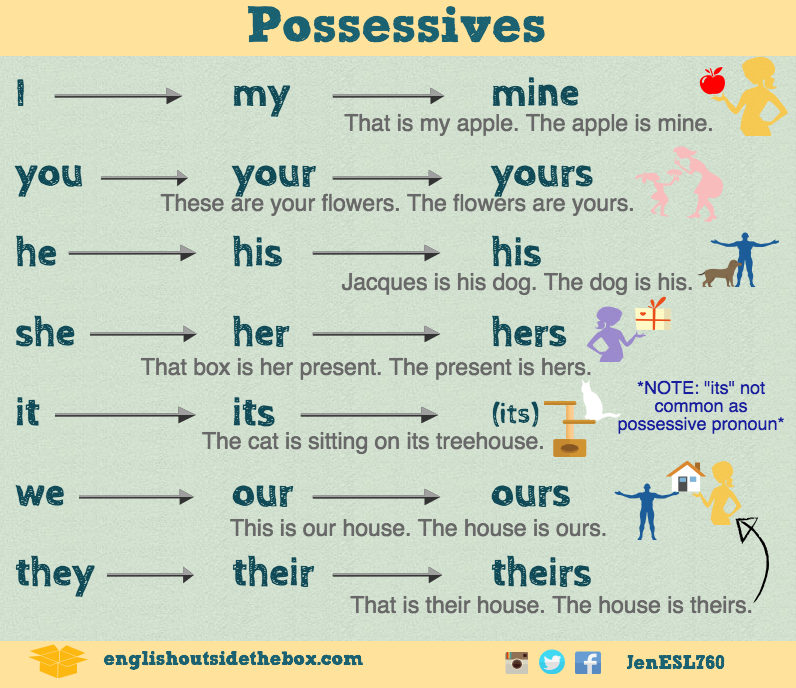
Understand English Possessives English Outside The Box
It’s (it is) nearly the end of the month. (the word its (without an apostrophe) is a possessive determiner.) it's is. It’s (it has) gone really quickly. I can see its eyes. Its is the possessive form of it, used to indicate possession, ownership, belonging, etc.

Possessive Nouns Forming the Possessive Noun with Easy Examples • 7ESL
Its is the possessive form of it, used to indicate possession, ownership, belonging, etc. It’s (it has) gone really quickly. Its is the possessive form of it. it's (with an apostrophe) is always short for it is (it's so fun) or it has (it's been nice knowing you). Its with no apostrophe, on the other hand, is the possessive word,.
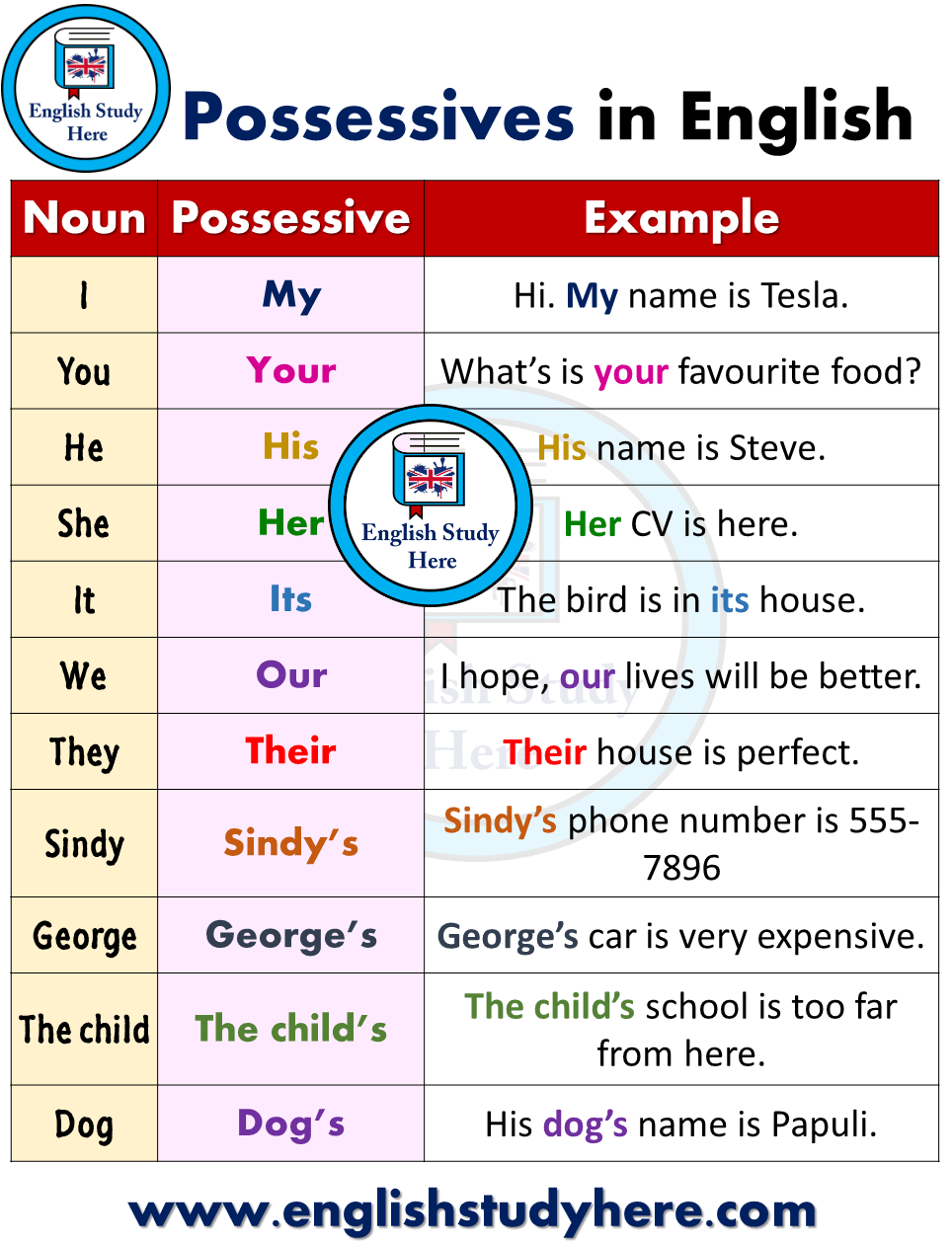
Forming the Possessives Possessives in English English Study Here
Its is the possessive form of it, used to indicate possession, ownership, belonging, etc. English generally uses apostrophes to indicate. It’s (it has) gone really quickly. Its is the possessive form of it. for example: Its with no apostrophe, on the other hand, is the possessive word, like his and her, for nouns without gender.
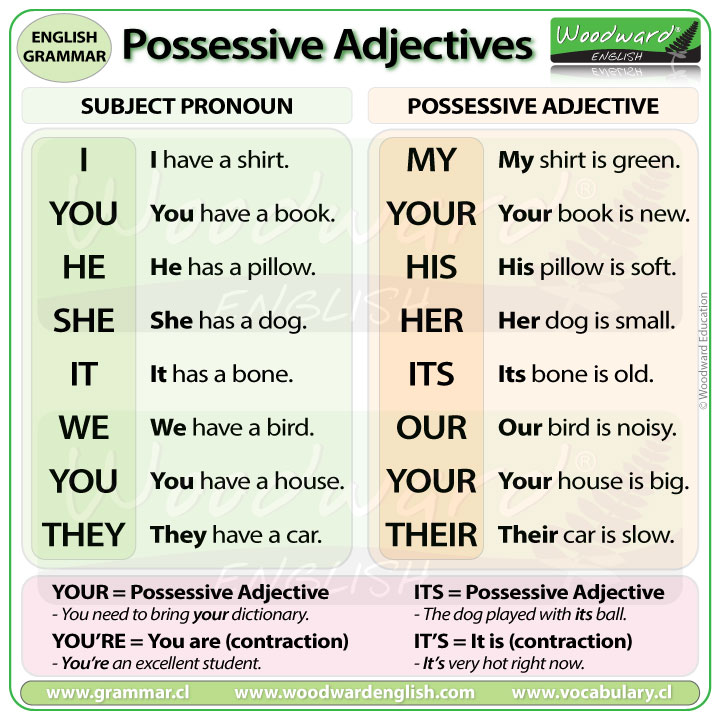
Possessive Adjectives Woodward English
English generally uses apostrophes to indicate. Its is the possessive form of it. it's (with an apostrophe) is always short for it is (it's so fun) or it has (it's been nice knowing you). (the word its (without an apostrophe) is a possessive determiner.) it's is. Its with no apostrophe, on the other hand, is the possessive word, like his.

English Using Possessive Pronoun, Definition and Examples Possessive
Its with no apostrophe, on the other hand, is the possessive word, like his and her, for nouns without gender. Its is the possessive form of it. for example: Its is the possessive form of it. it's (with an apostrophe) is always short for it is (it's so fun) or it has (it's been nice knowing you). For example, the.
It’s (It Is) Nearly The End Of The Month.
English generally uses apostrophes to indicate. Its is the possessive form of it. it's (with an apostrophe) is always short for it is (it's so fun) or it has (it's been nice knowing you). Its is the possessive form of it, used to indicate possession, ownership, belonging, etc. Its is a possessive determiner (like my, your, his) which we use when referring to.
It’s (It Has) Gone Really Quickly.
Its is the possessive form of it. for example: For example, the sun was so. I can see its eyes. Its with no apostrophe, on the other hand, is the possessive word, like his and her, for nouns without gender.