How Is A Peptide Bond Formed - But how are amino acids actually linked together in chains? Dehydration synthesis is a vital process in protein formation where two amino acids form a peptide bond, releasing a water molecule. Peptide bonds are the vital links that connect amino acids to form polypeptide chains, which fold into functional proteins. Explore the formation of peptide bonds and their role in protein structure in this khan academy biology lesson. The amino acids of a polypeptide are attached to their neighbors by covalent bonds. How amino acids form peptide bonds (peptide linkages) through a condensation reaction (dehydration synthesis).
Dehydration synthesis is a vital process in protein formation where two amino acids form a peptide bond, releasing a water molecule. How amino acids form peptide bonds (peptide linkages) through a condensation reaction (dehydration synthesis). Explore the formation of peptide bonds and their role in protein structure in this khan academy biology lesson. The amino acids of a polypeptide are attached to their neighbors by covalent bonds. Peptide bonds are the vital links that connect amino acids to form polypeptide chains, which fold into functional proteins. But how are amino acids actually linked together in chains?
Peptide bonds are the vital links that connect amino acids to form polypeptide chains, which fold into functional proteins. The amino acids of a polypeptide are attached to their neighbors by covalent bonds. But how are amino acids actually linked together in chains? How amino acids form peptide bonds (peptide linkages) through a condensation reaction (dehydration synthesis). Dehydration synthesis is a vital process in protein formation where two amino acids form a peptide bond, releasing a water molecule. Explore the formation of peptide bonds and their role in protein structure in this khan academy biology lesson.

Peptide Bond Formation Diagram
Dehydration synthesis is a vital process in protein formation where two amino acids form a peptide bond, releasing a water molecule. How amino acids form peptide bonds (peptide linkages) through a condensation reaction (dehydration synthesis). Peptide bonds are the vital links that connect amino acids to form polypeptide chains, which fold into functional proteins. Explore the formation of peptide bonds.

Formation and Characteristics of Peptide Bond in Proteins
Peptide bonds are the vital links that connect amino acids to form polypeptide chains, which fold into functional proteins. How amino acids form peptide bonds (peptide linkages) through a condensation reaction (dehydration synthesis). The amino acids of a polypeptide are attached to their neighbors by covalent bonds. But how are amino acids actually linked together in chains? Explore the formation.

II. PROTEIN BIOCHEMISTRY ppt download
Peptide bonds are the vital links that connect amino acids to form polypeptide chains, which fold into functional proteins. How amino acids form peptide bonds (peptide linkages) through a condensation reaction (dehydration synthesis). Explore the formation of peptide bonds and their role in protein structure in this khan academy biology lesson. The amino acids of a polypeptide are attached to.
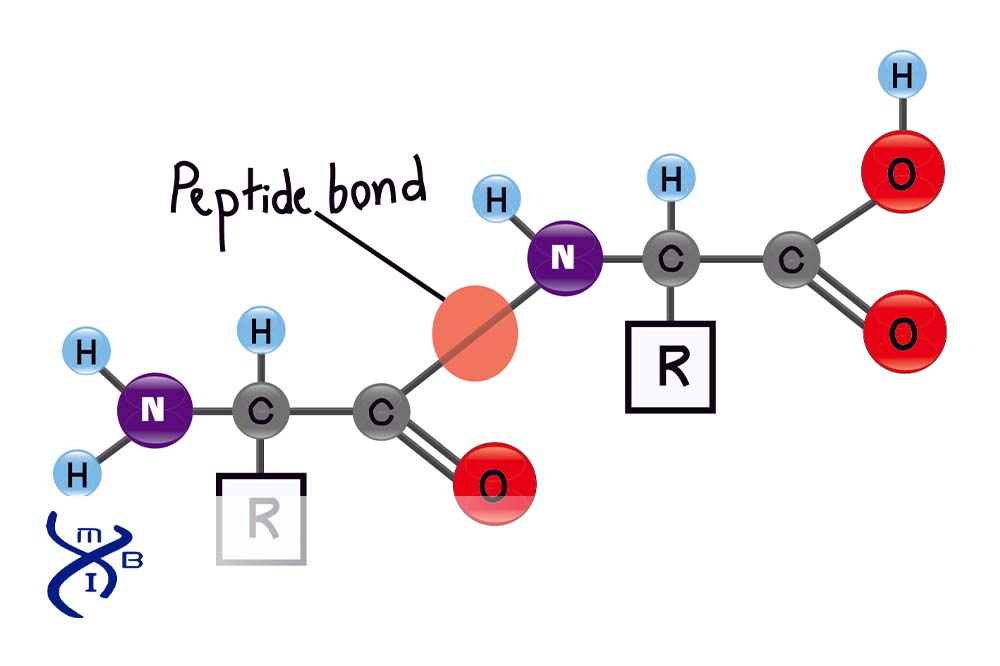
What Is A Peptide Bond Simple Definition And How To Identify It?
The amino acids of a polypeptide are attached to their neighbors by covalent bonds. Peptide bonds are the vital links that connect amino acids to form polypeptide chains, which fold into functional proteins. Dehydration synthesis is a vital process in protein formation where two amino acids form a peptide bond, releasing a water molecule. Explore the formation of peptide bonds.
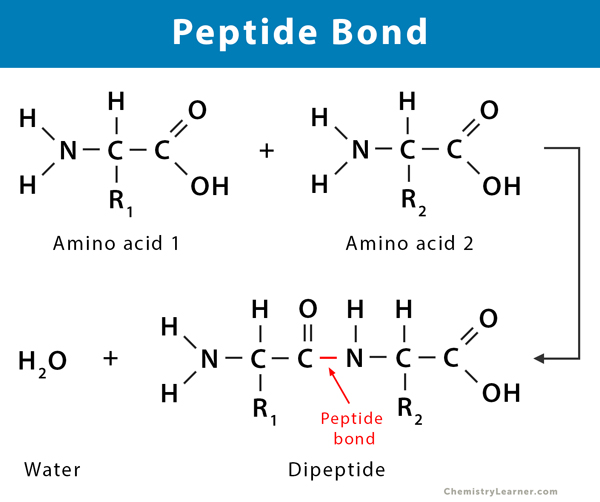
Peptide Bond Definition, Structure, Mechanism, and Examples
How amino acids form peptide bonds (peptide linkages) through a condensation reaction (dehydration synthesis). Explore the formation of peptide bonds and their role in protein structure in this khan academy biology lesson. Peptide bonds are the vital links that connect amino acids to form polypeptide chains, which fold into functional proteins. The amino acids of a polypeptide are attached to.
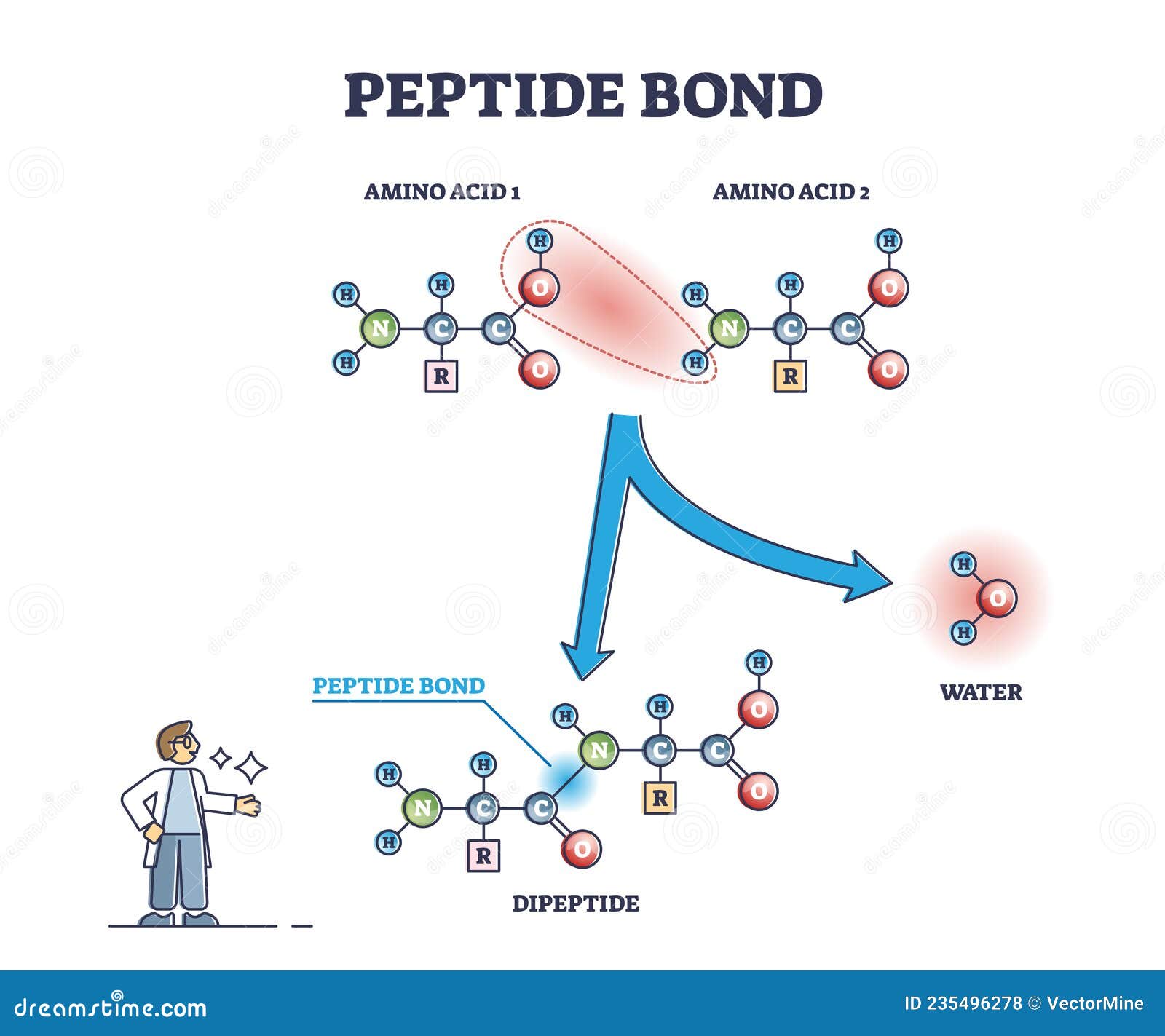
Peptide Bond As Amino Acids Formation in Protein Reaction Outline
How amino acids form peptide bonds (peptide linkages) through a condensation reaction (dehydration synthesis). Peptide bonds are the vital links that connect amino acids to form polypeptide chains, which fold into functional proteins. Explore the formation of peptide bonds and their role in protein structure in this khan academy biology lesson. Dehydration synthesis is a vital process in protein formation.

Peptide Bond Definition, Formation, Structure, Examples
How amino acids form peptide bonds (peptide linkages) through a condensation reaction (dehydration synthesis). Peptide bonds are the vital links that connect amino acids to form polypeptide chains, which fold into functional proteins. Explore the formation of peptide bonds and their role in protein structure in this khan academy biology lesson. The amino acids of a polypeptide are attached to.
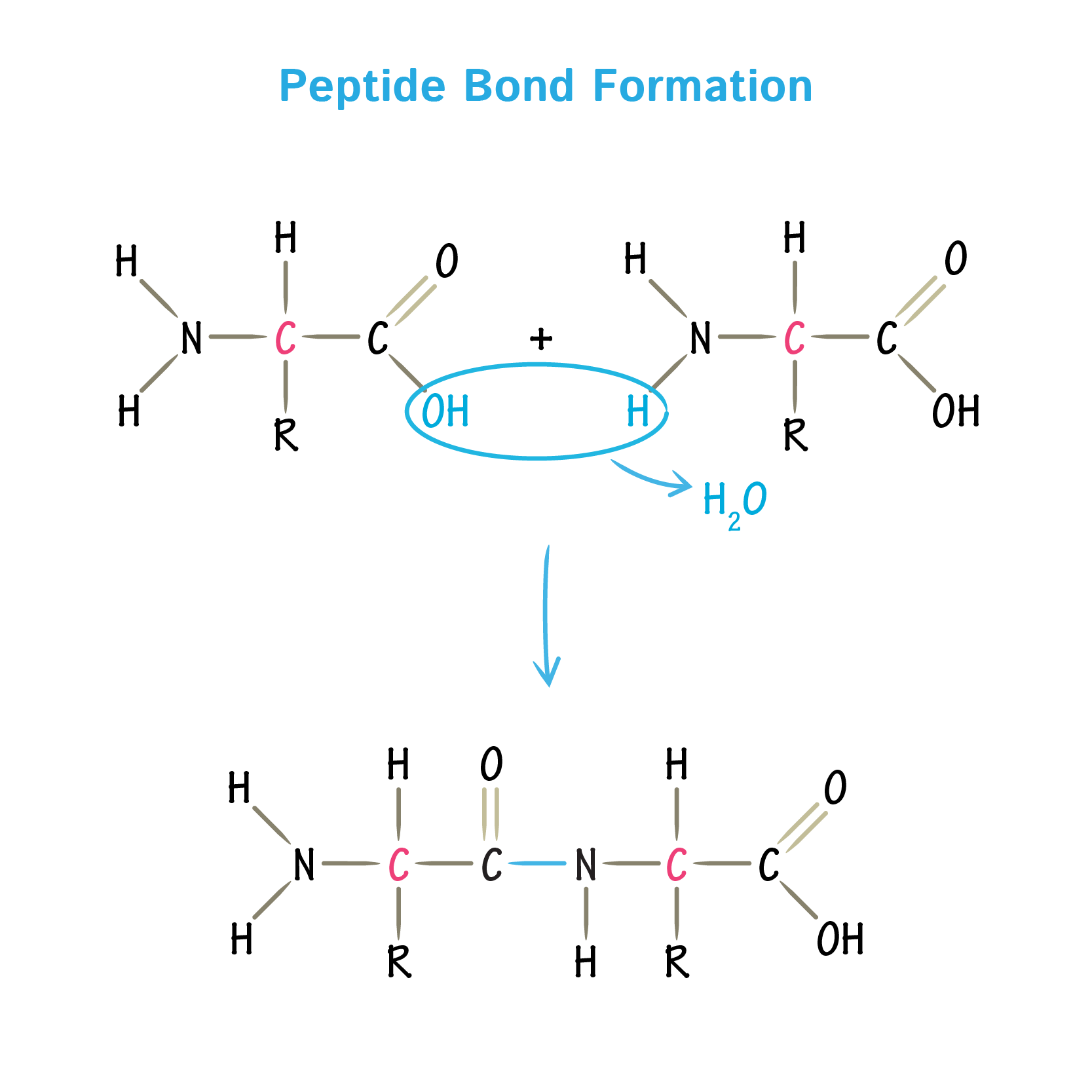
Amino acids physical, chemical properties and peptide bond
The amino acids of a polypeptide are attached to their neighbors by covalent bonds. Dehydration synthesis is a vital process in protein formation where two amino acids form a peptide bond, releasing a water molecule. How amino acids form peptide bonds (peptide linkages) through a condensation reaction (dehydration synthesis). Peptide bonds are the vital links that connect amino acids to.
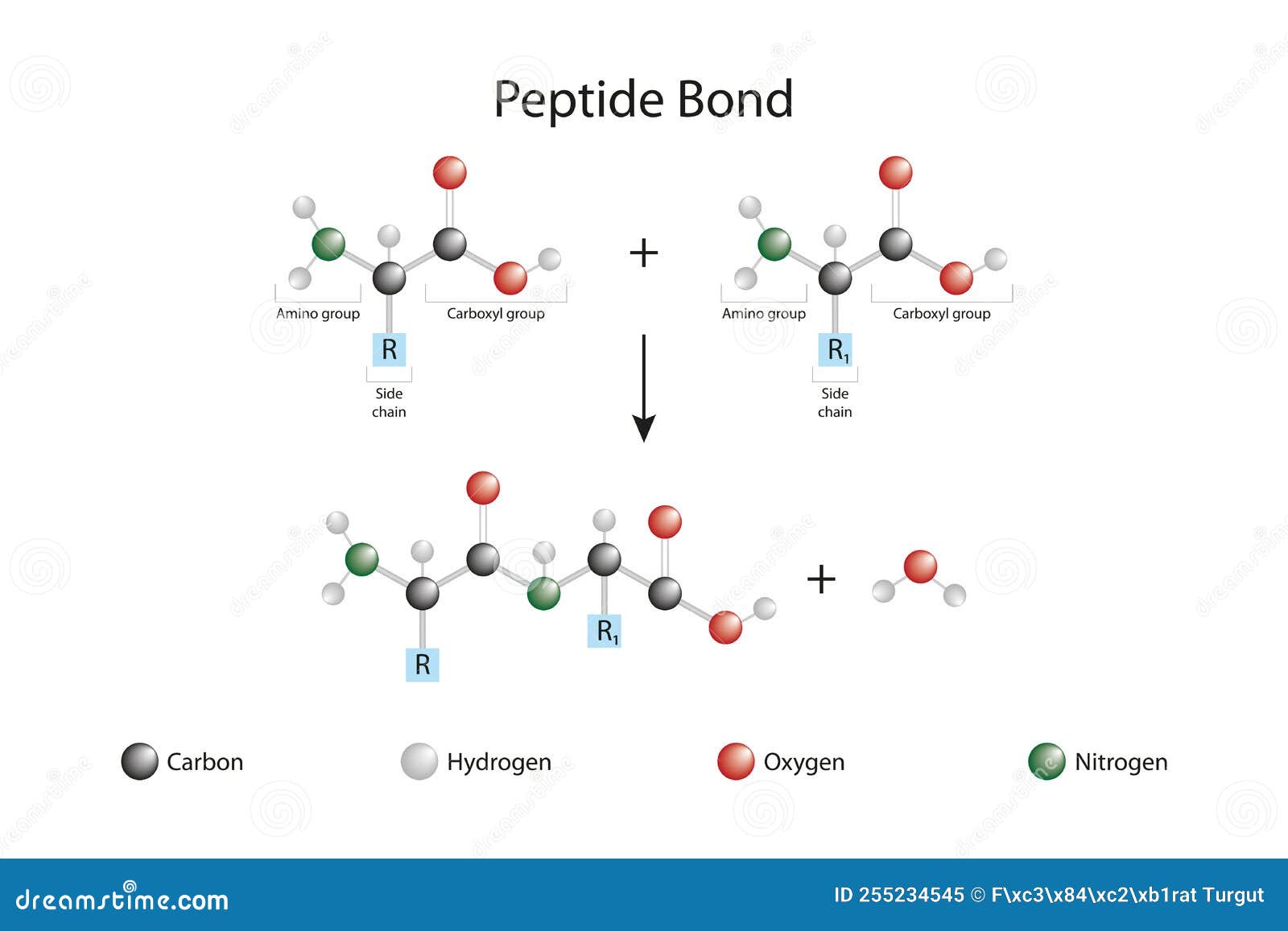
Formation of Peptide Bond. Protein Biosynthesis Reaction Stock Vector
How amino acids form peptide bonds (peptide linkages) through a condensation reaction (dehydration synthesis). Explore the formation of peptide bonds and their role in protein structure in this khan academy biology lesson. But how are amino acids actually linked together in chains? Peptide bonds are the vital links that connect amino acids to form polypeptide chains, which fold into functional.
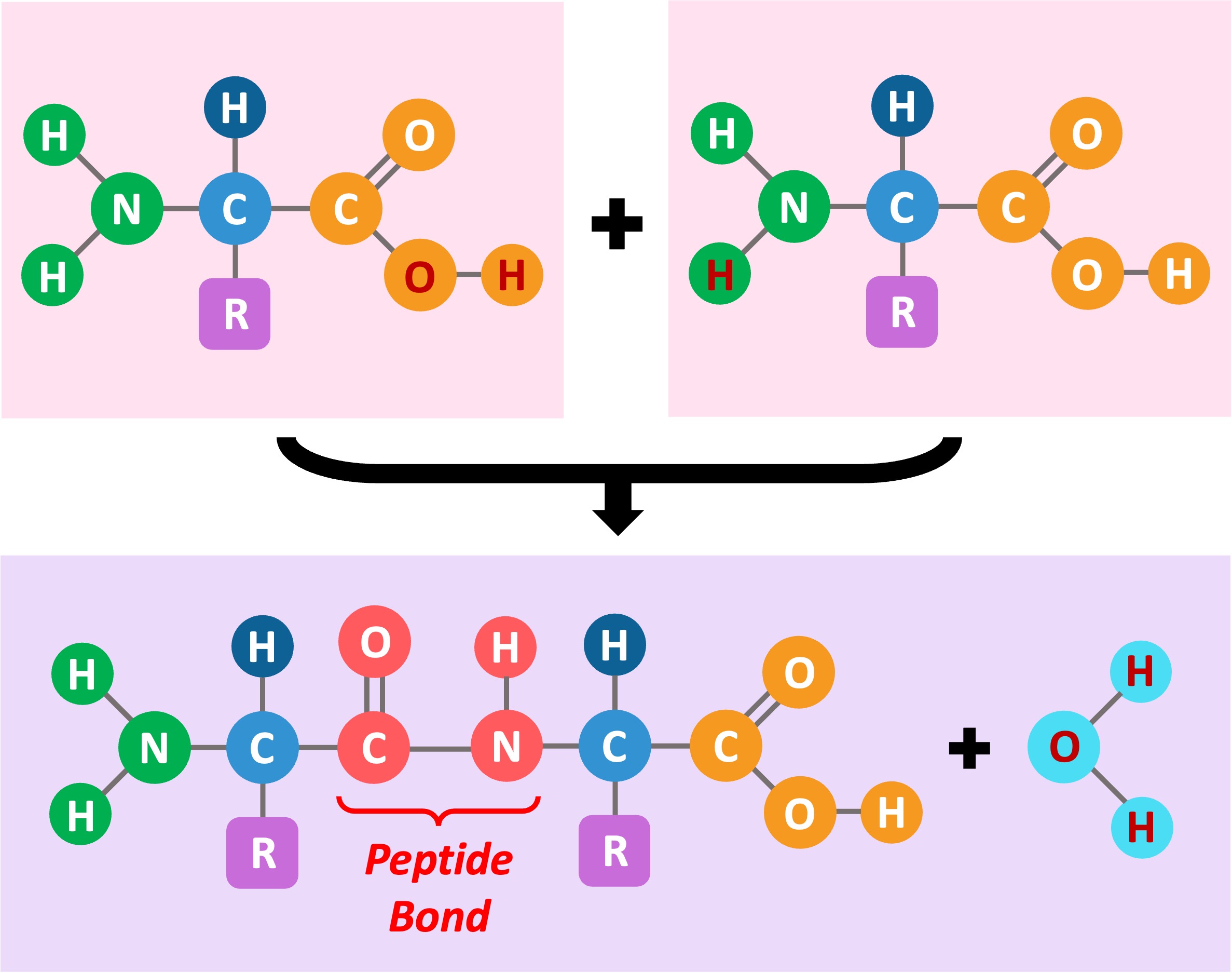
Polypeptides
The amino acids of a polypeptide are attached to their neighbors by covalent bonds. Peptide bonds are the vital links that connect amino acids to form polypeptide chains, which fold into functional proteins. How amino acids form peptide bonds (peptide linkages) through a condensation reaction (dehydration synthesis). Explore the formation of peptide bonds and their role in protein structure in.
The Amino Acids Of A Polypeptide Are Attached To Their Neighbors By Covalent Bonds.
Dehydration synthesis is a vital process in protein formation where two amino acids form a peptide bond, releasing a water molecule. Peptide bonds are the vital links that connect amino acids to form polypeptide chains, which fold into functional proteins. How amino acids form peptide bonds (peptide linkages) through a condensation reaction (dehydration synthesis). But how are amino acids actually linked together in chains?