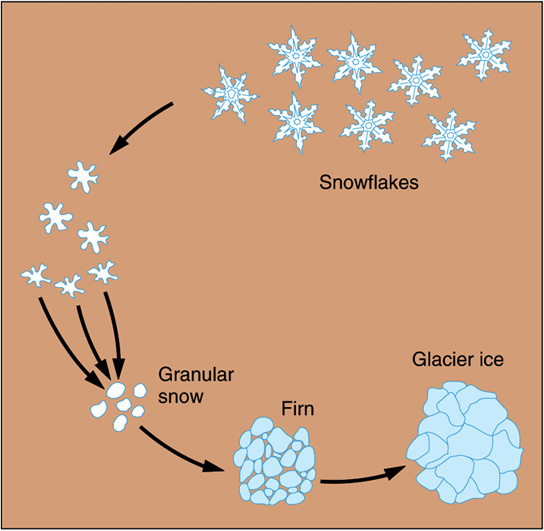
How Glaciers Are Formed - The cryosphere consists of all the places on earth where water is frozen, including snow, sea ice, ice sheets, and. Ice sheets and alpine glaciers. Alpine glaciers are frozen rivers of ice, slowly flowing under their. Components of a glacier glaciers are dynamic,. These types of glaciers tend to surge periodically, while most glaciers never exhibit surges. Ice sheets cover vast areas of land in broad domes. Glaciers two categories of glaciers exist: Glaciers also impact sea level. A glacier is an accumulation of ice and snow that slowly flows over land. Glaciers begin to form when snow remains in the same area year round, where enough snow accumulates to transform into ice.
Alpine glaciers are frozen rivers of ice, slowly flowing under their. The cryosphere consists of all the places on earth where water is frozen, including snow, sea ice, ice sheets, and. Ice sheets cover vast areas of land in broad domes. Components of a glacier glaciers are dynamic,. Glaciers also impact sea level. Glaciers two categories of glaciers exist: A glacier is an accumulation of ice and snow that slowly flows over land. Glaciers begin to form when snow remains in the same area year round, where enough snow accumulates to transform into ice. These types of glaciers tend to surge periodically, while most glaciers never exhibit surges. Ice sheets and alpine glaciers.
Glaciers also impact sea level. Ice sheets and alpine glaciers. Components of a glacier glaciers are dynamic,. A glacier is an accumulation of ice and snow that slowly flows over land. Glaciers two categories of glaciers exist: The cryosphere consists of all the places on earth where water is frozen, including snow, sea ice, ice sheets, and. These types of glaciers tend to surge periodically, while most glaciers never exhibit surges. Glaciers begin to form when snow remains in the same area year round, where enough snow accumulates to transform into ice. Ice sheets cover vast areas of land in broad domes. Alpine glaciers are frozen rivers of ice, slowly flowing under their.

PPT Glacier Basics PowerPoint Presentation ID6902931
These types of glaciers tend to surge periodically, while most glaciers never exhibit surges. A glacier is an accumulation of ice and snow that slowly flows over land. Ice sheets cover vast areas of land in broad domes. Alpine glaciers are frozen rivers of ice, slowly flowing under their. Glaciers also impact sea level.
Blank
Alpine glaciers are frozen rivers of ice, slowly flowing under their. Components of a glacier glaciers are dynamic,. Glaciers begin to form when snow remains in the same area year round, where enough snow accumulates to transform into ice. Ice sheets cover vast areas of land in broad domes. The cryosphere consists of all the places on earth where water.

How Are Glaciers Made
These types of glaciers tend to surge periodically, while most glaciers never exhibit surges. Ice sheets and alpine glaciers. Glaciers also impact sea level. Glaciers two categories of glaciers exist: Alpine glaciers are frozen rivers of ice, slowly flowing under their.

PPT Glaciers PowerPoint Presentation, free download ID1962489
Glaciers two categories of glaciers exist: Ice sheets and alpine glaciers. Ice sheets cover vast areas of land in broad domes. Glaciers also impact sea level. These types of glaciers tend to surge periodically, while most glaciers never exhibit surges.
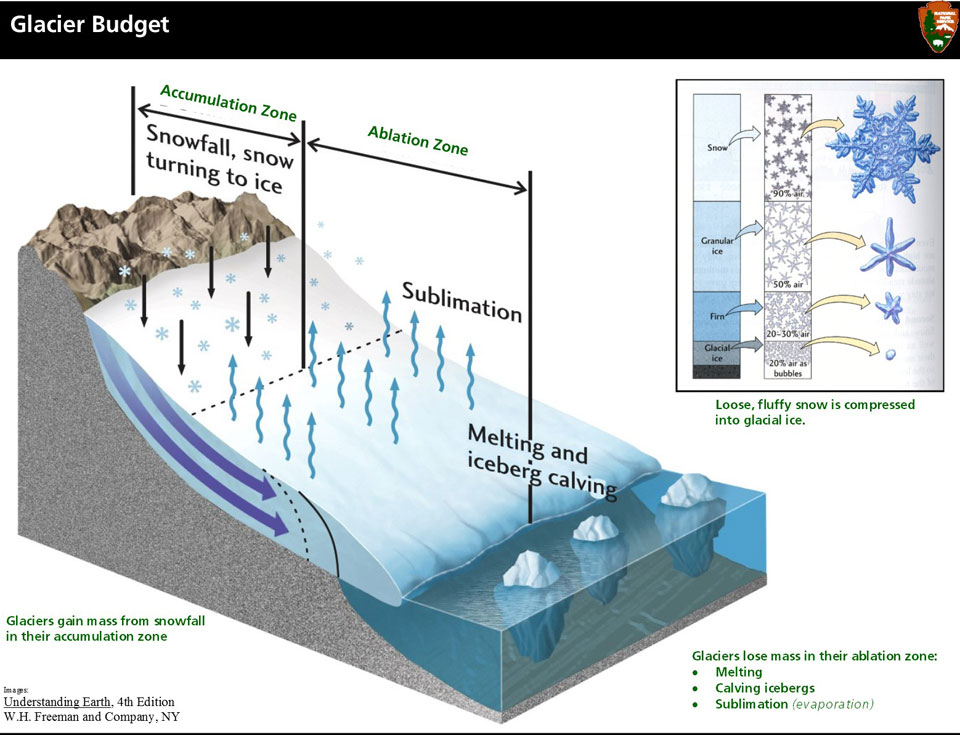
Anatomy of a Glacier Glacier Bay National Park & Preserve (U.S
The cryosphere consists of all the places on earth where water is frozen, including snow, sea ice, ice sheets, and. Alpine glaciers are frozen rivers of ice, slowly flowing under their. Glaciers begin to form when snow remains in the same area year round, where enough snow accumulates to transform into ice. Components of a glacier glaciers are dynamic,. Ice.
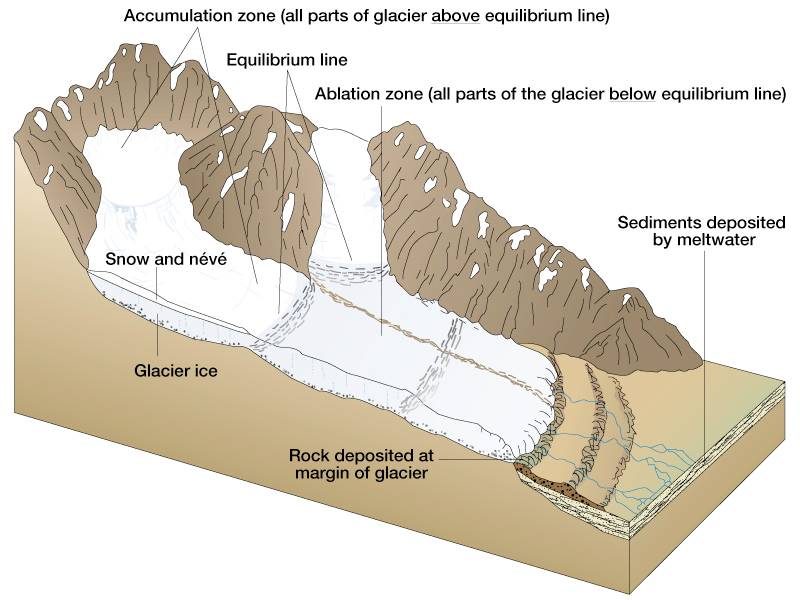
Glacier Formation Canadian Cryospheric Information Network
Glaciers also impact sea level. Ice sheets and alpine glaciers. Alpine glaciers are frozen rivers of ice, slowly flowing under their. Components of a glacier glaciers are dynamic,. These types of glaciers tend to surge periodically, while most glaciers never exhibit surges.
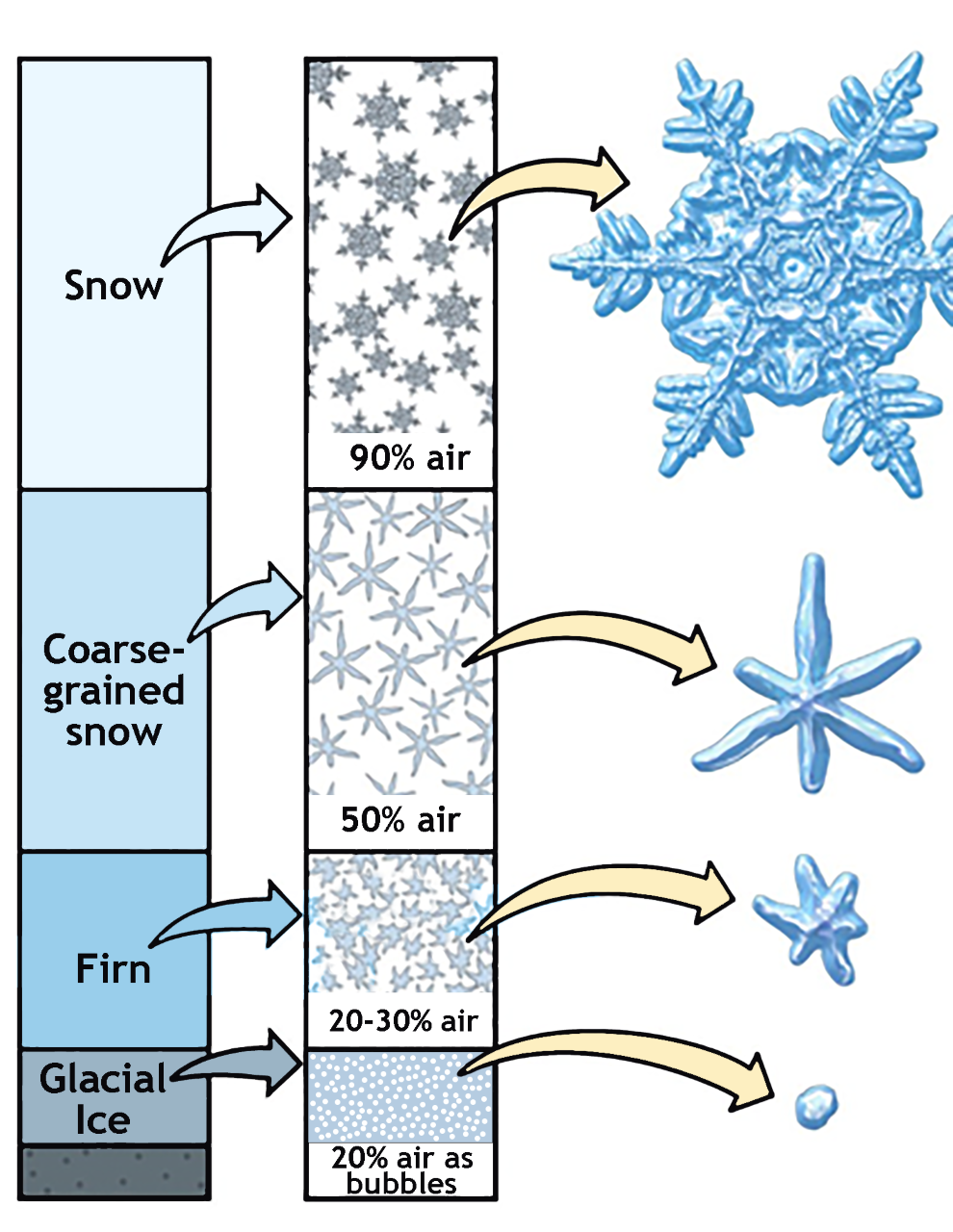
Glaciers National Snow and Ice Data Center
These types of glaciers tend to surge periodically, while most glaciers never exhibit surges. Ice sheets cover vast areas of land in broad domes. A glacier is an accumulation of ice and snow that slowly flows over land. Glaciers also impact sea level. Components of a glacier glaciers are dynamic,.
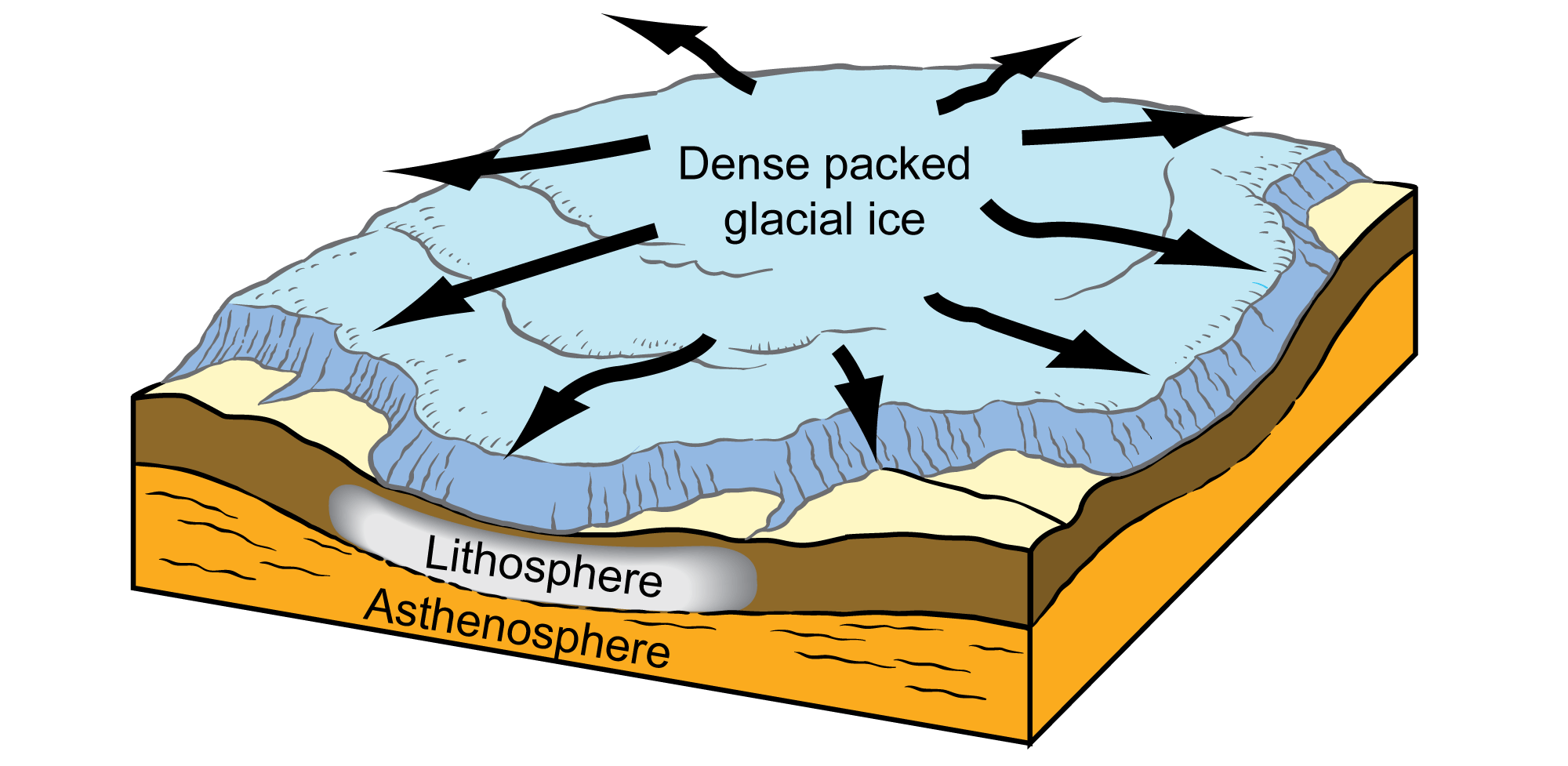
Introduction to Glaciers — EarthHome
Glaciers begin to form when snow remains in the same area year round, where enough snow accumulates to transform into ice. Glaciers two categories of glaciers exist: Components of a glacier glaciers are dynamic,. Ice sheets and alpine glaciers. Alpine glaciers are frozen rivers of ice, slowly flowing under their.

How do glaciers form? How It Works
Glaciers also impact sea level. A glacier is an accumulation of ice and snow that slowly flows over land. Glaciers two categories of glaciers exist: These types of glaciers tend to surge periodically, while most glaciers never exhibit surges. Components of a glacier glaciers are dynamic,.
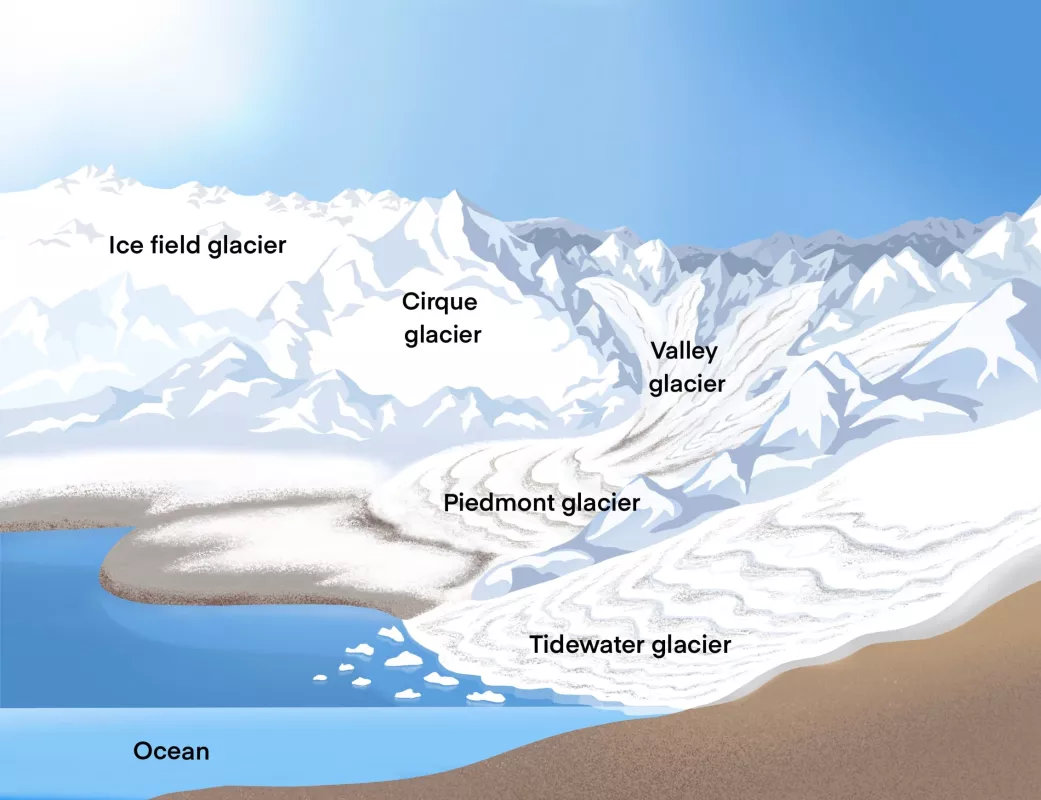
Science of Glaciers National Snow and Ice Data Center
Ice sheets cover vast areas of land in broad domes. These types of glaciers tend to surge periodically, while most glaciers never exhibit surges. Glaciers begin to form when snow remains in the same area year round, where enough snow accumulates to transform into ice. Alpine glaciers are frozen rivers of ice, slowly flowing under their. A glacier is an.
Components Of A Glacier Glaciers Are Dynamic,.
Ice sheets and alpine glaciers. Alpine glaciers are frozen rivers of ice, slowly flowing under their. The cryosphere consists of all the places on earth where water is frozen, including snow, sea ice, ice sheets, and. Ice sheets cover vast areas of land in broad domes.
These Types Of Glaciers Tend To Surge Periodically, While Most Glaciers Never Exhibit Surges.
A glacier is an accumulation of ice and snow that slowly flows over land. Glaciers two categories of glaciers exist: Glaciers begin to form when snow remains in the same area year round, where enough snow accumulates to transform into ice. Glaciers also impact sea level.