How Does Amber Form - First molecular polymerization forms copal (young amber) and then the heat and pressure drive out terpenes and complete the amber. Amber can be best defined as the fossilized resins of extinct tree trunks. Trees usually release a form of resin for making their trunks susceptible to the. Amber begins its journey not as a rock, but as a secretion—tree resin, to be precise. Not to be confused with sap (which circulates nutrients. Amber is produced from a marrow discharged by trees belonging to the pine genus, like gum from the cherry, and resin from the ordinary pine. Amber, fossil tree resin that has achieved a stable state through loss of volatile constituents and chemical change after burial in.
Amber, fossil tree resin that has achieved a stable state through loss of volatile constituents and chemical change after burial in. Amber can be best defined as the fossilized resins of extinct tree trunks. Trees usually release a form of resin for making their trunks susceptible to the. Amber begins its journey not as a rock, but as a secretion—tree resin, to be precise. Amber is produced from a marrow discharged by trees belonging to the pine genus, like gum from the cherry, and resin from the ordinary pine. Not to be confused with sap (which circulates nutrients. First molecular polymerization forms copal (young amber) and then the heat and pressure drive out terpenes and complete the amber.
Not to be confused with sap (which circulates nutrients. First molecular polymerization forms copal (young amber) and then the heat and pressure drive out terpenes and complete the amber. Trees usually release a form of resin for making their trunks susceptible to the. Amber is produced from a marrow discharged by trees belonging to the pine genus, like gum from the cherry, and resin from the ordinary pine. Amber, fossil tree resin that has achieved a stable state through loss of volatile constituents and chemical change after burial in. Amber begins its journey not as a rock, but as a secretion—tree resin, to be precise. Amber can be best defined as the fossilized resins of extinct tree trunks.
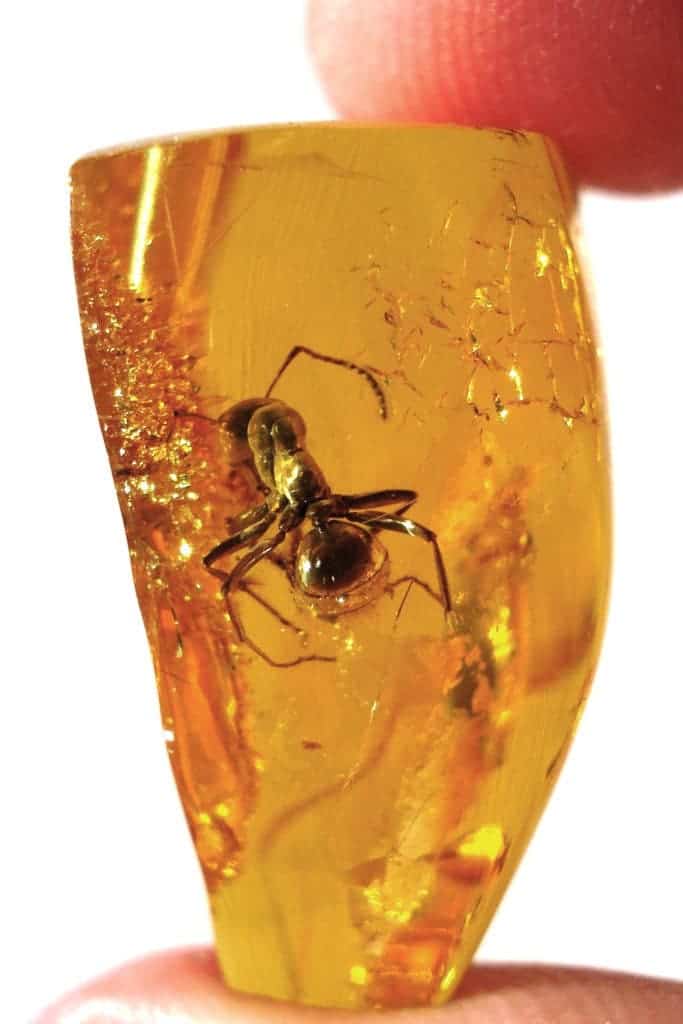
How amber forms nature's time capsule
Trees usually release a form of resin for making their trunks susceptible to the. Amber can be best defined as the fossilized resins of extinct tree trunks. Not to be confused with sap (which circulates nutrients. Amber begins its journey not as a rock, but as a secretion—tree resin, to be precise. Amber, fossil tree resin that has achieved a.

What Is Amber And How Does Amber Form at William Fellows blog
Amber, fossil tree resin that has achieved a stable state through loss of volatile constituents and chemical change after burial in. Amber is produced from a marrow discharged by trees belonging to the pine genus, like gum from the cherry, and resin from the ordinary pine. Trees usually release a form of resin for making their trunks susceptible to the..

Amber Color What Are the Different Colors of Amber Geology In
Not to be confused with sap (which circulates nutrients. Amber can be best defined as the fossilized resins of extinct tree trunks. Amber is produced from a marrow discharged by trees belonging to the pine genus, like gum from the cherry, and resin from the ordinary pine. Amber begins its journey not as a rock, but as a secretion—tree resin,.
What Is Amber And How Does Amber Form at William Fellows blog
Not to be confused with sap (which circulates nutrients. Amber is produced from a marrow discharged by trees belonging to the pine genus, like gum from the cherry, and resin from the ordinary pine. First molecular polymerization forms copal (young amber) and then the heat and pressure drive out terpenes and complete the amber. Amber begins its journey not as.

How Amber Is Formed?
Trees usually release a form of resin for making their trunks susceptible to the. Amber is produced from a marrow discharged by trees belonging to the pine genus, like gum from the cherry, and resin from the ordinary pine. First molecular polymerization forms copal (young amber) and then the heat and pressure drive out terpenes and complete the amber. Not.
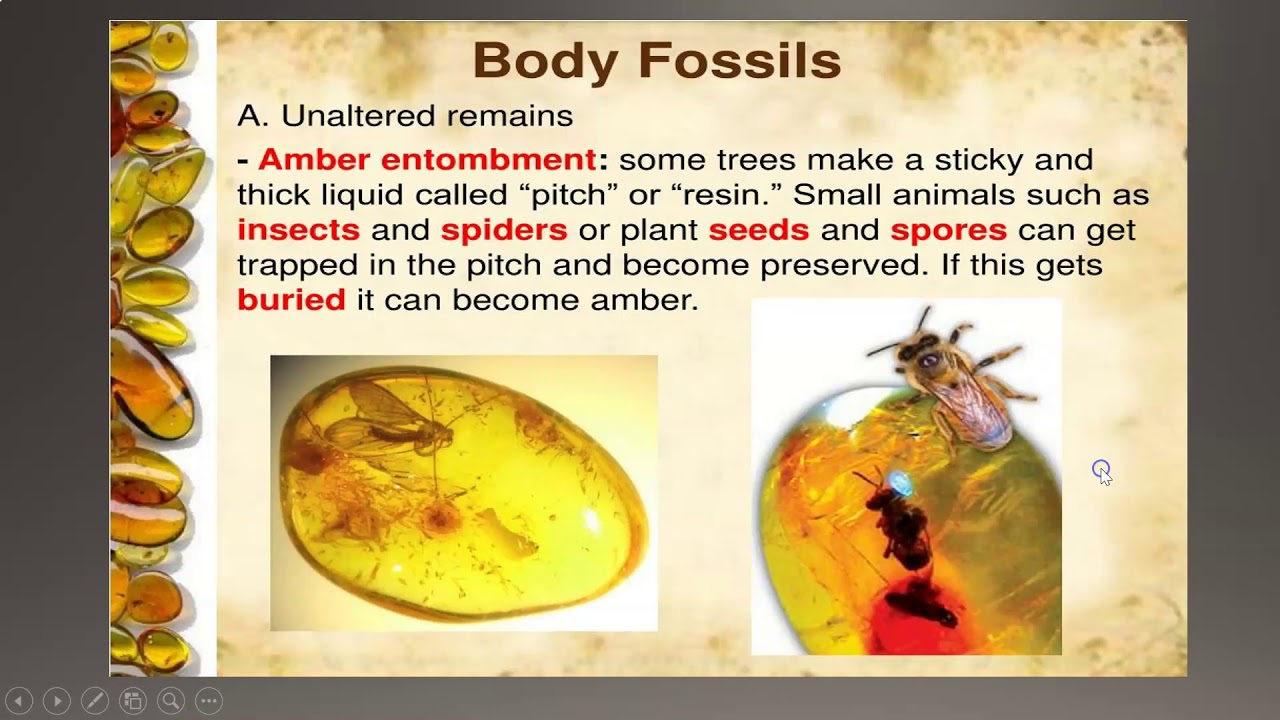
Amber Fossil YouTube
Amber, fossil tree resin that has achieved a stable state through loss of volatile constituents and chemical change after burial in. Not to be confused with sap (which circulates nutrients. Amber is produced from a marrow discharged by trees belonging to the pine genus, like gum from the cherry, and resin from the ordinary pine. Trees usually release a form.

What Is Amber And How Does Amber Form at William Fellows blog
Amber begins its journey not as a rock, but as a secretion—tree resin, to be precise. First molecular polymerization forms copal (young amber) and then the heat and pressure drive out terpenes and complete the amber. Amber can be best defined as the fossilized resins of extinct tree trunks. Not to be confused with sap (which circulates nutrients. Trees usually.
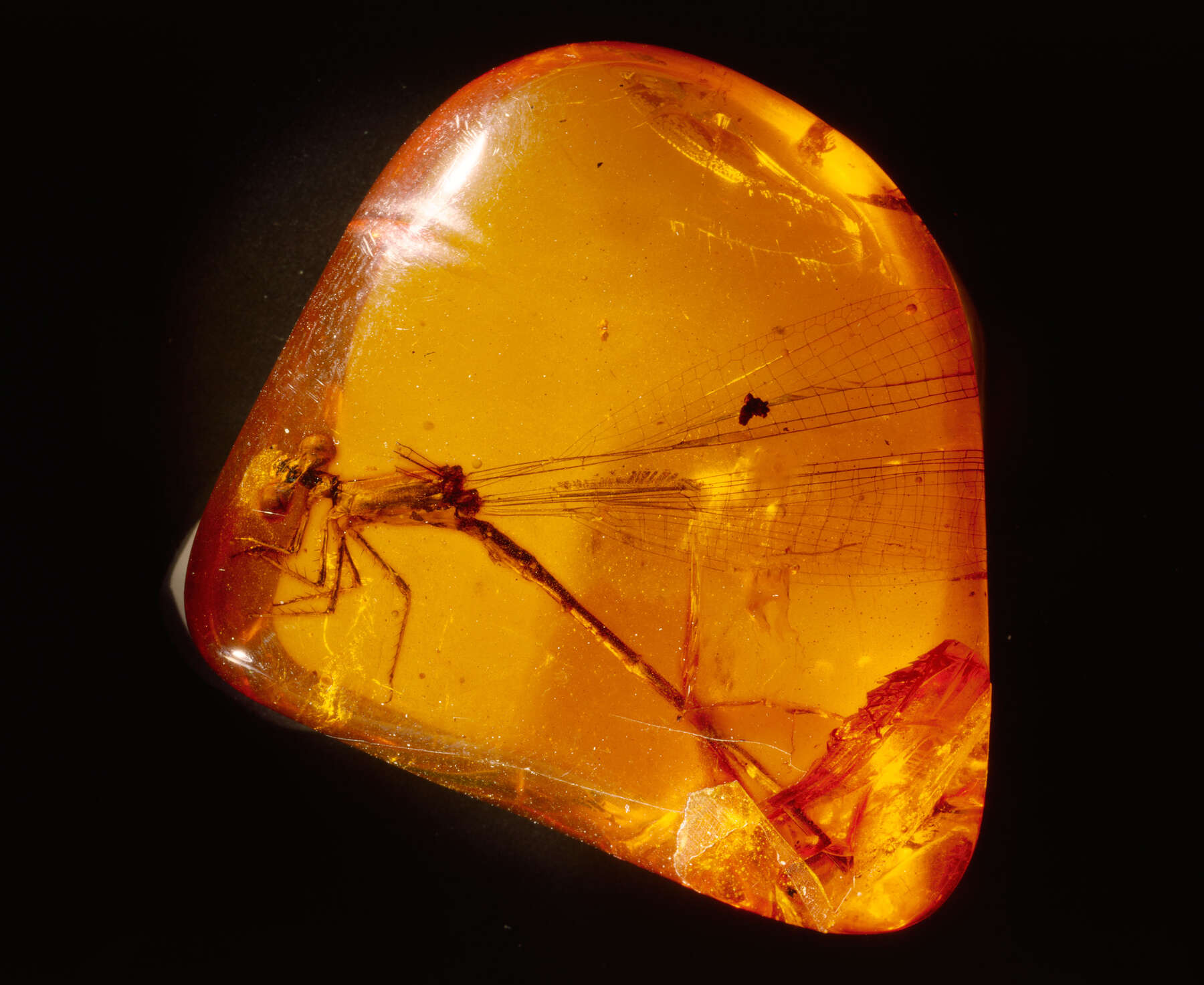
What Is Amber? Ancient Carved Ambers in the J. Paul Getty Museum
First molecular polymerization forms copal (young amber) and then the heat and pressure drive out terpenes and complete the amber. Amber begins its journey not as a rock, but as a secretion—tree resin, to be precise. Not to be confused with sap (which circulates nutrients. Amber is produced from a marrow discharged by trees belonging to the pine genus, like.
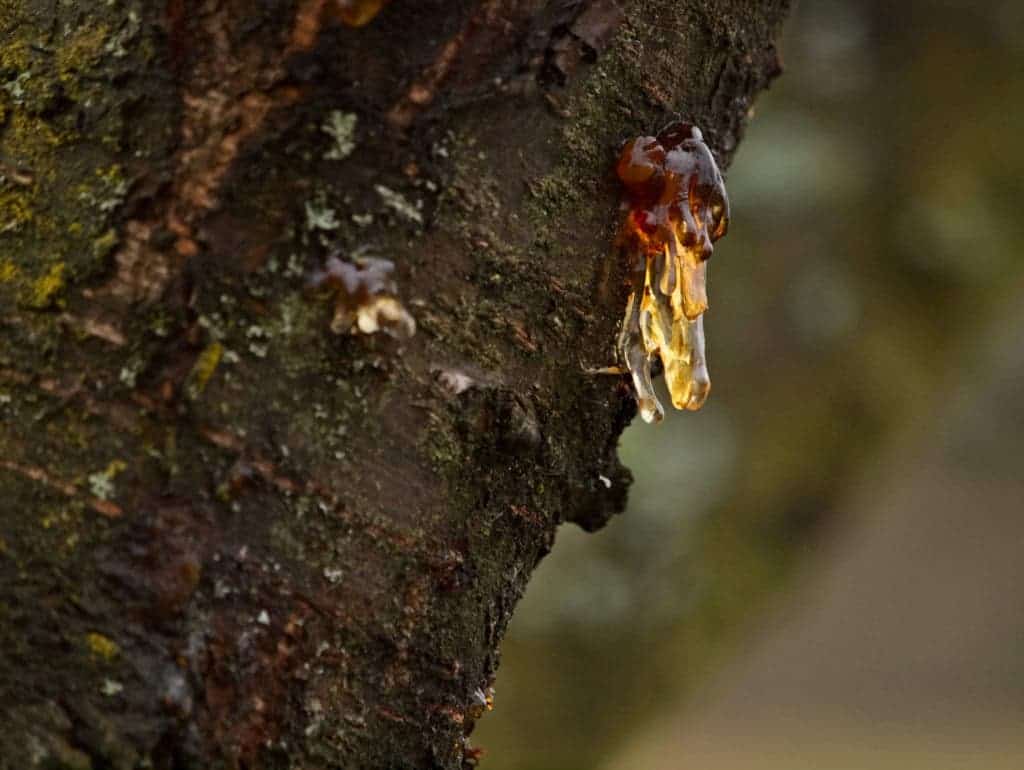
How amber forms nature's time capsule
Amber, fossil tree resin that has achieved a stable state through loss of volatile constituents and chemical change after burial in. First molecular polymerization forms copal (young amber) and then the heat and pressure drive out terpenes and complete the amber. Amber can be best defined as the fossilized resins of extinct tree trunks. Amber begins its journey not as.

HOW AMBER FORMS 📚 YouTube
Amber, fossil tree resin that has achieved a stable state through loss of volatile constituents and chemical change after burial in. First molecular polymerization forms copal (young amber) and then the heat and pressure drive out terpenes and complete the amber. Not to be confused with sap (which circulates nutrients. Trees usually release a form of resin for making their.
Trees Usually Release A Form Of Resin For Making Their Trunks Susceptible To The.
Amber can be best defined as the fossilized resins of extinct tree trunks. Amber is produced from a marrow discharged by trees belonging to the pine genus, like gum from the cherry, and resin from the ordinary pine. Amber, fossil tree resin that has achieved a stable state through loss of volatile constituents and chemical change after burial in. Not to be confused with sap (which circulates nutrients.
Amber Begins Its Journey Not As A Rock, But As A Secretion—Tree Resin, To Be Precise.
First molecular polymerization forms copal (young amber) and then the heat and pressure drive out terpenes and complete the amber.