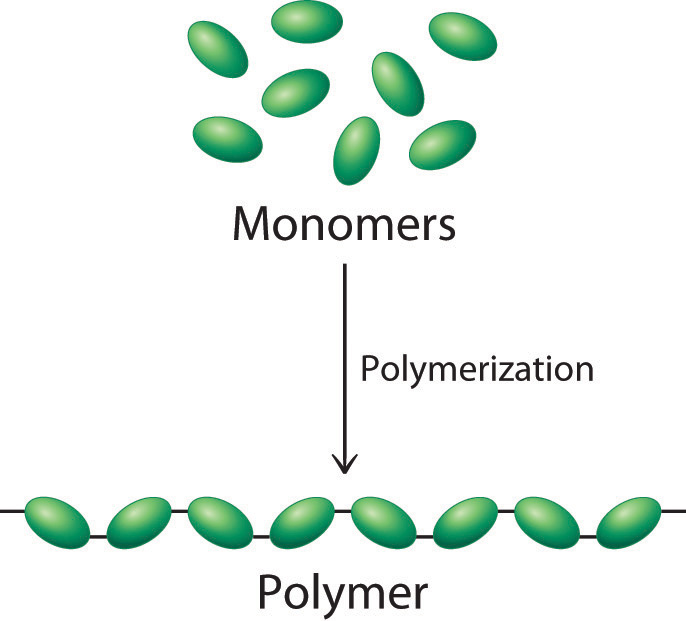
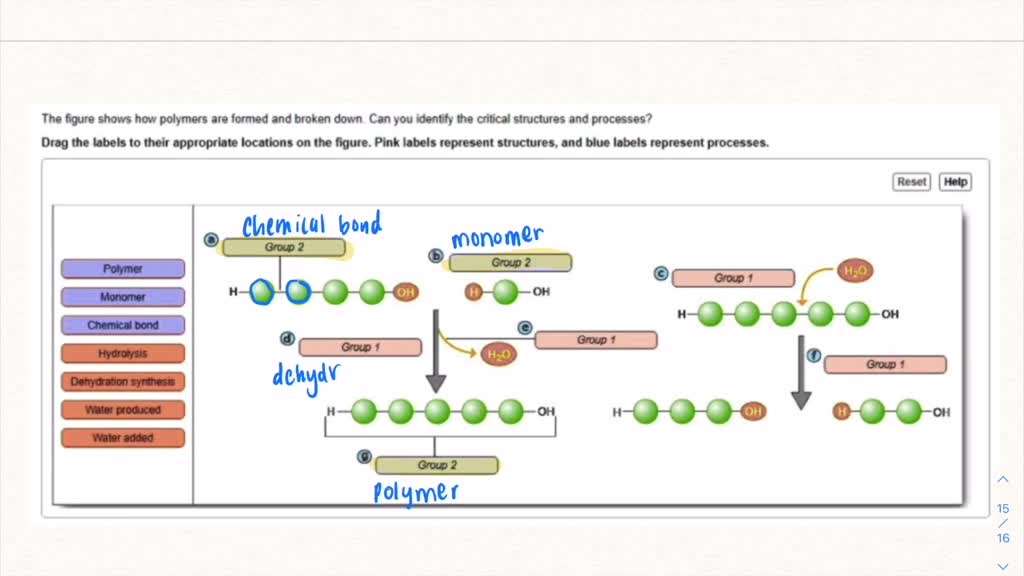
How Are Polymers Formed - Polymers consist of many repeating. In addition, polymerization, an initiator (or catalyst). Polymers are long chain, giant organic molecules are assembled from many smaller molecules called monomers. Synthetic polymers are produced by chemical reactions, termed polymerizations. Let’s unravel the mystery of polymers—how they work, how they’re made, and how they stretch from grocery bags to the double. Polymers make up many of the materials in living organisms, including, for example, proteins, cellulose, and nucleic acids. Polymers are formed by two main ways called addition and condensation polymerization.
Synthetic polymers are produced by chemical reactions, termed polymerizations. Polymers consist of many repeating. Polymers are long chain, giant organic molecules are assembled from many smaller molecules called monomers. Let’s unravel the mystery of polymers—how they work, how they’re made, and how they stretch from grocery bags to the double. Polymers make up many of the materials in living organisms, including, for example, proteins, cellulose, and nucleic acids. In addition, polymerization, an initiator (or catalyst). Polymers are formed by two main ways called addition and condensation polymerization.
Polymers are long chain, giant organic molecules are assembled from many smaller molecules called monomers. Polymers make up many of the materials in living organisms, including, for example, proteins, cellulose, and nucleic acids. Let’s unravel the mystery of polymers—how they work, how they’re made, and how they stretch from grocery bags to the double. In addition, polymerization, an initiator (or catalyst). Synthetic polymers are produced by chemical reactions, termed polymerizations. Polymers are formed by two main ways called addition and condensation polymerization. Polymers consist of many repeating.
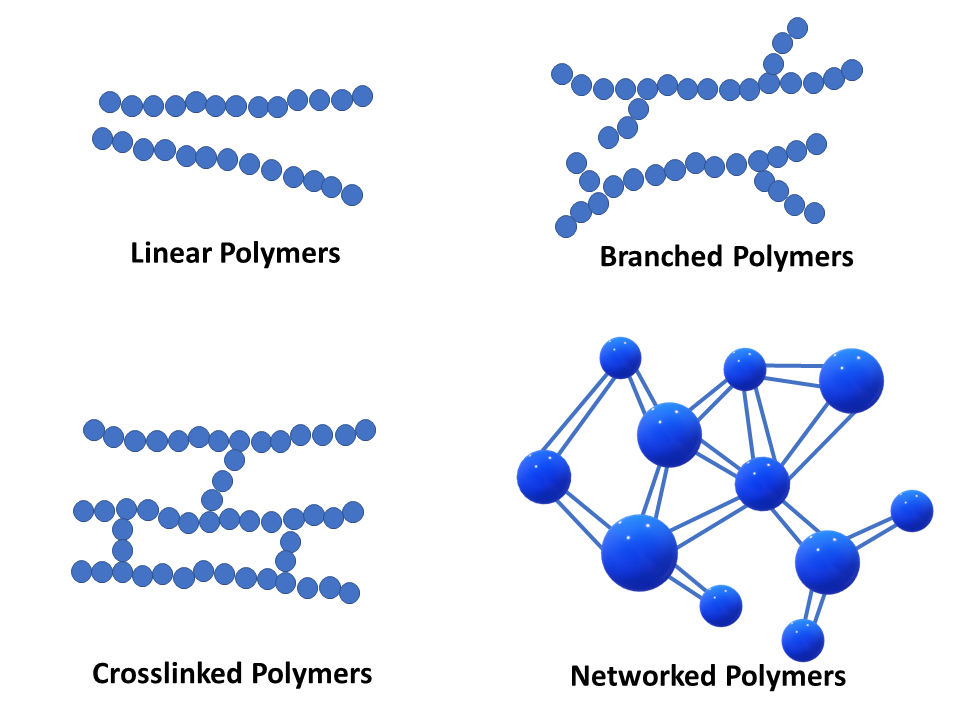
Phase Diagrams Of Polymers Phase Polymers
Let’s unravel the mystery of polymers—how they work, how they’re made, and how they stretch from grocery bags to the double. Polymers are long chain, giant organic molecules are assembled from many smaller molecules called monomers. Synthetic polymers are produced by chemical reactions, termed polymerizations. Polymers make up many of the materials in living organisms, including, for example, proteins, cellulose,.

Biomolecules discussion ppt download
Synthetic polymers are produced by chemical reactions, termed polymerizations. Polymers are formed by two main ways called addition and condensation polymerization. Polymers are long chain, giant organic molecules are assembled from many smaller molecules called monomers. Polymers make up many of the materials in living organisms, including, for example, proteins, cellulose, and nucleic acids. Polymers consist of many repeating.
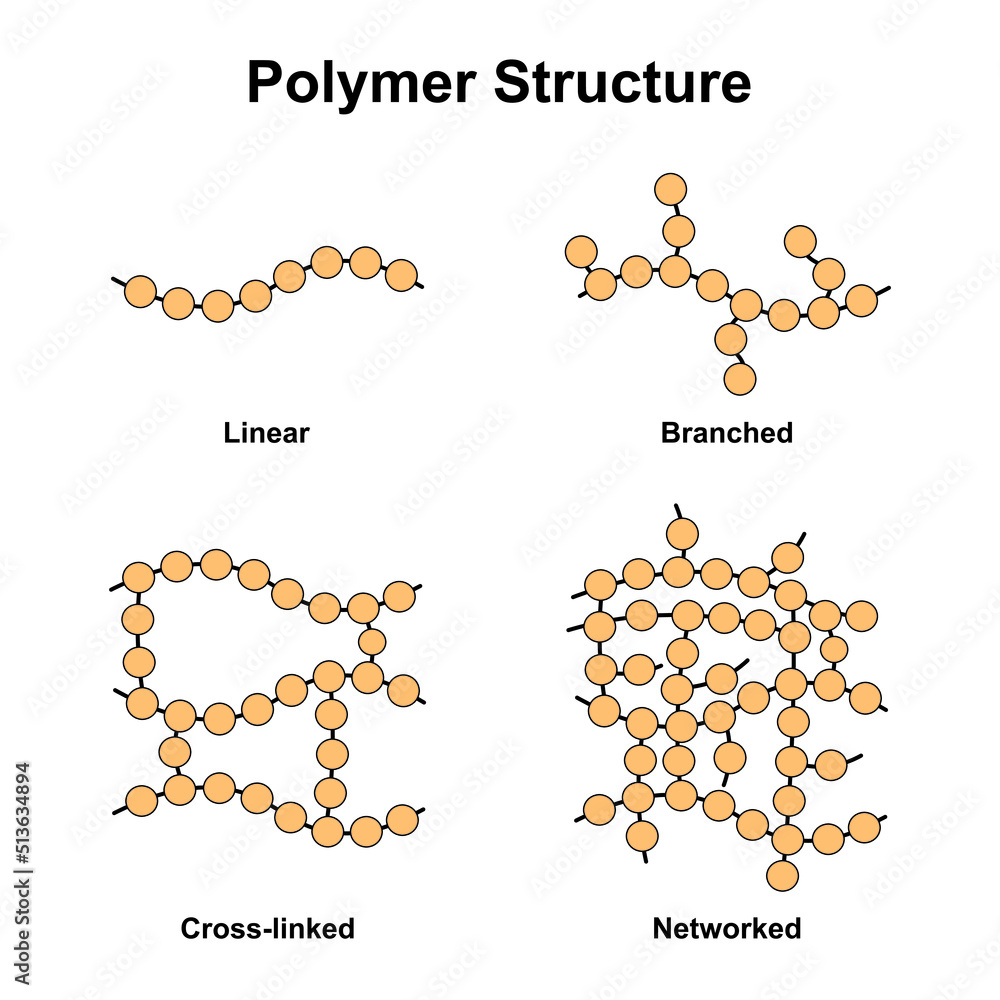
Diagram Of Polymers Polymer Polymerization Monomers Solids P
Polymers are formed by two main ways called addition and condensation polymerization. Let’s unravel the mystery of polymers—how they work, how they’re made, and how they stretch from grocery bags to the double. Synthetic polymers are produced by chemical reactions, termed polymerizations. Polymers consist of many repeating. Polymers make up many of the materials in living organisms, including, for example,.

Addition polymerisation IGCSE Chemistry Revision Notes
Let’s unravel the mystery of polymers—how they work, how they’re made, and how they stretch from grocery bags to the double. Polymers consist of many repeating. In addition, polymerization, an initiator (or catalyst). Synthetic polymers are produced by chemical reactions, termed polymerizations. Polymers make up many of the materials in living organisms, including, for example, proteins, cellulose, and nucleic acids.
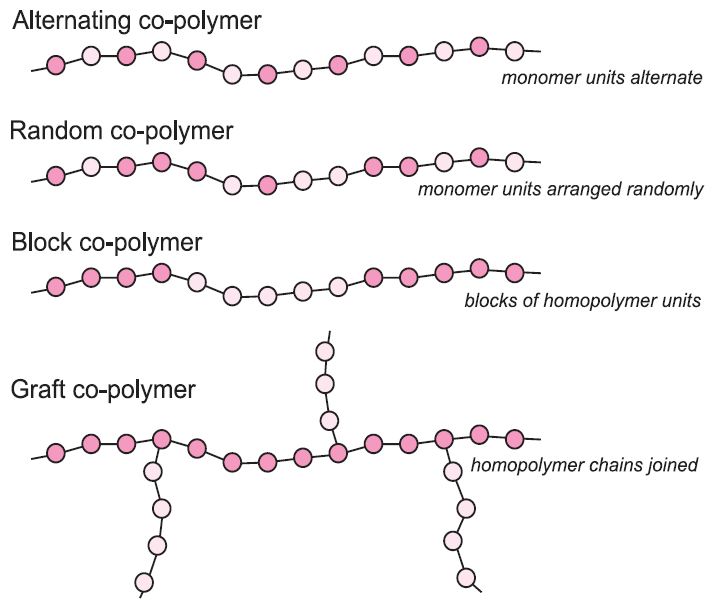
Polymer Structure Diagram Biology Proteins Proteins Are Pol
Polymers consist of many repeating. In addition, polymerization, an initiator (or catalyst). Polymers are formed by two main ways called addition and condensation polymerization. Polymers make up many of the materials in living organisms, including, for example, proteins, cellulose, and nucleic acids. Polymers are long chain, giant organic molecules are assembled from many smaller molecules called monomers.
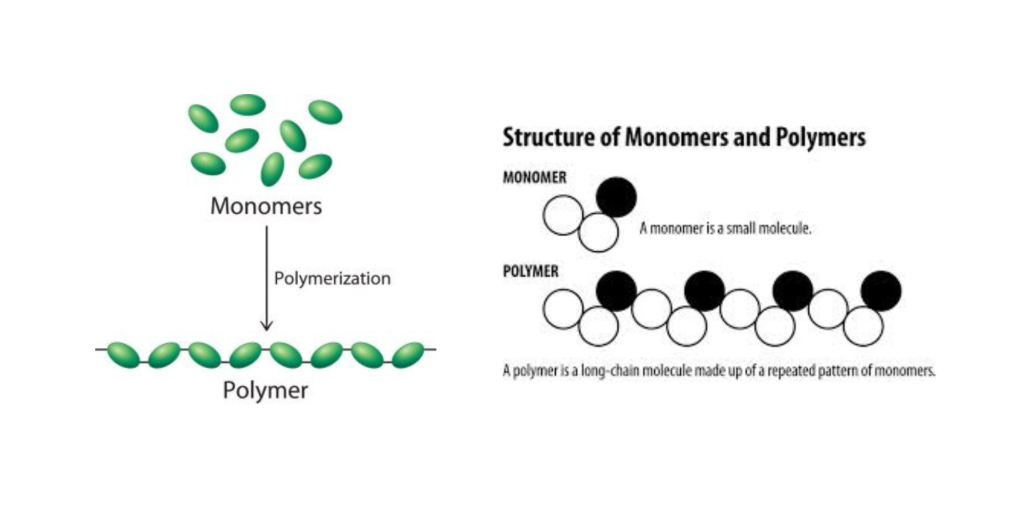
27.1 Polymerization Organic and Biochemistry Supplement to Enhanced
Synthetic polymers are produced by chemical reactions, termed polymerizations. Polymers consist of many repeating. Polymers are long chain, giant organic molecules are assembled from many smaller molecules called monomers. Let’s unravel the mystery of polymers—how they work, how they’re made, and how they stretch from grocery bags to the double. Polymers make up many of the materials in living organisms,.
What Is a Polymer? Live Science
Polymers are long chain, giant organic molecules are assembled from many smaller molecules called monomers. Polymers consist of many repeating. In addition, polymerization, an initiator (or catalyst). Let’s unravel the mystery of polymers—how they work, how they’re made, and how they stretch from grocery bags to the double. Polymers are formed by two main ways called addition and condensation polymerization.

THE CHEMISTRY OF LIFE Organic chemistry the study of all compounds
Let’s unravel the mystery of polymers—how they work, how they’re made, and how they stretch from grocery bags to the double. Polymers consist of many repeating. Synthetic polymers are produced by chemical reactions, termed polymerizations. Polymers make up many of the materials in living organisms, including, for example, proteins, cellulose, and nucleic acids. Polymers are long chain, giant organic molecules.

PPT Chapter 8 Carbon Chemistry PowerPoint Presentation ID5568166
Polymers consist of many repeating. Polymers are long chain, giant organic molecules are assembled from many smaller molecules called monomers. Polymers are formed by two main ways called addition and condensation polymerization. In addition, polymerization, an initiator (or catalyst). Synthetic polymers are produced by chemical reactions, termed polymerizations.
SOLVED The figure shows how polymers are formed and broken down. Can
In addition, polymerization, an initiator (or catalyst). Let’s unravel the mystery of polymers—how they work, how they’re made, and how they stretch from grocery bags to the double. Synthetic polymers are produced by chemical reactions, termed polymerizations. Polymers are long chain, giant organic molecules are assembled from many smaller molecules called monomers. Polymers consist of many repeating.
Synthetic Polymers Are Produced By Chemical Reactions, Termed Polymerizations.
Polymers are formed by two main ways called addition and condensation polymerization. Let’s unravel the mystery of polymers—how they work, how they’re made, and how they stretch from grocery bags to the double. In addition, polymerization, an initiator (or catalyst). Polymers make up many of the materials in living organisms, including, for example, proteins, cellulose, and nucleic acids.
Polymers Are Long Chain, Giant Organic Molecules Are Assembled From Many Smaller Molecules Called Monomers.
Polymers consist of many repeating.