Continuous Forms - Following is the formula to calculate continuous compounding a = p e^(rt) continuous compound interest formula where, p = principal amount. To find examples and explanations on the internet at the elementary calculus level, try googling the phrase continuous extension (or variations of it,. It is true if the domain is closed and bounded (a closed interval),. To understand the difference between continuity and uniform continuity, it is useful to think of a particular example of a function that's. A continuous function is a function where the limit exists everywhere, and the function at those points is defined to be the same as the. The containment continuous$\subset$integrable depends on the domain of integration:
Following is the formula to calculate continuous compounding a = p e^(rt) continuous compound interest formula where, p = principal amount. A continuous function is a function where the limit exists everywhere, and the function at those points is defined to be the same as the. To understand the difference between continuity and uniform continuity, it is useful to think of a particular example of a function that's. The containment continuous$\subset$integrable depends on the domain of integration: To find examples and explanations on the internet at the elementary calculus level, try googling the phrase continuous extension (or variations of it,. It is true if the domain is closed and bounded (a closed interval),.
To find examples and explanations on the internet at the elementary calculus level, try googling the phrase continuous extension (or variations of it,. To understand the difference between continuity and uniform continuity, it is useful to think of a particular example of a function that's. The containment continuous$\subset$integrable depends on the domain of integration: It is true if the domain is closed and bounded (a closed interval),. Following is the formula to calculate continuous compounding a = p e^(rt) continuous compound interest formula where, p = principal amount. A continuous function is a function where the limit exists everywhere, and the function at those points is defined to be the same as the.

Present Continuous Tense Definition & Useful Examples in English ESL
Following is the formula to calculate continuous compounding a = p e^(rt) continuous compound interest formula where, p = principal amount. To find examples and explanations on the internet at the elementary calculus level, try googling the phrase continuous extension (or variations of it,. The containment continuous$\subset$integrable depends on the domain of integration: A continuous function is a function where.

Present Continuous Tense structure with Rules and Examples
It is true if the domain is closed and bounded (a closed interval),. Following is the formula to calculate continuous compounding a = p e^(rt) continuous compound interest formula where, p = principal amount. A continuous function is a function where the limit exists everywhere, and the function at those points is defined to be the same as the. To.
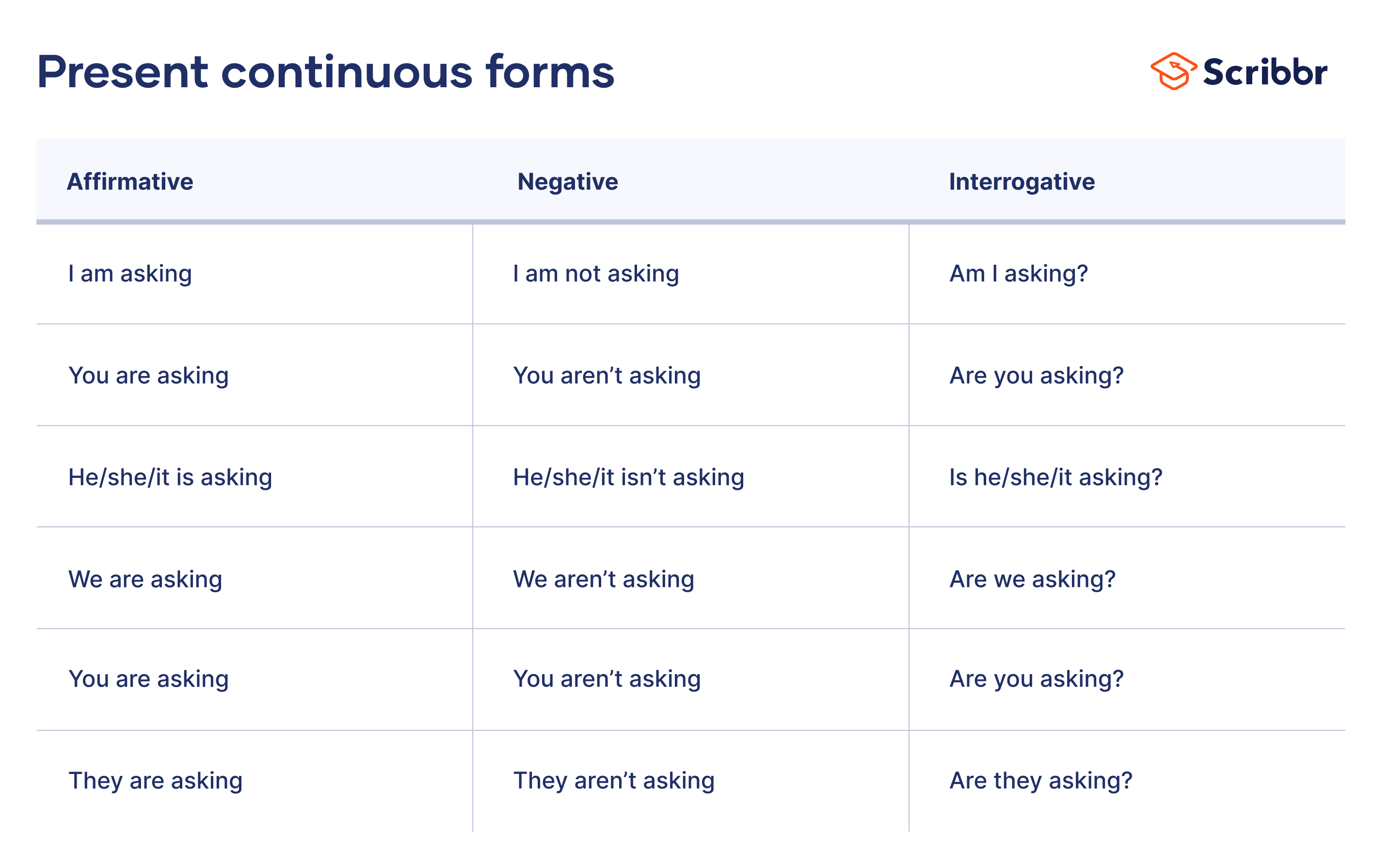
Present Continuous Tense Examples & Exercises
To understand the difference between continuity and uniform continuity, it is useful to think of a particular example of a function that's. It is true if the domain is closed and bounded (a closed interval),. A continuous function is a function where the limit exists everywhere, and the function at those points is defined to be the same as the..
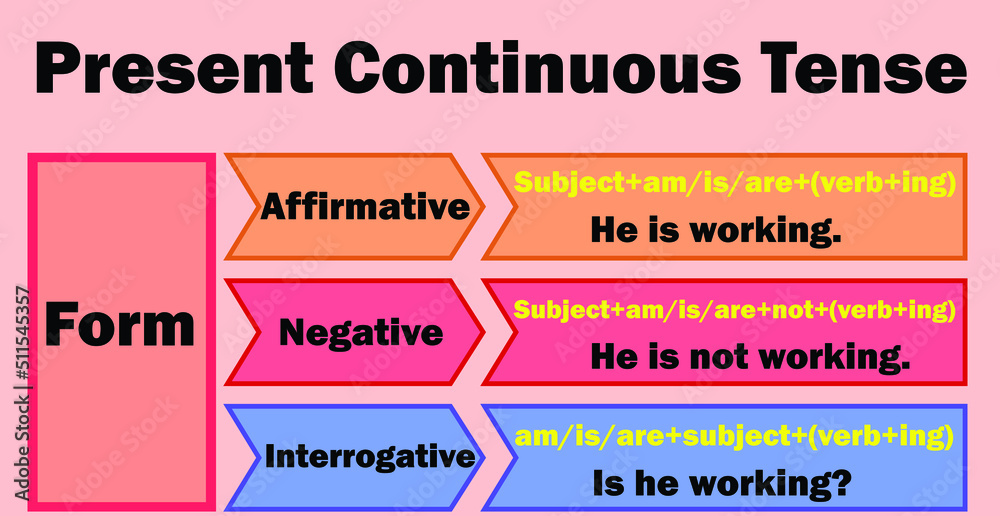
Form of Present Continuous Tense.English grammar verb "to work" in
A continuous function is a function where the limit exists everywhere, and the function at those points is defined to be the same as the. To find examples and explanations on the internet at the elementary calculus level, try googling the phrase continuous extension (or variations of it,. Following is the formula to calculate continuous compounding a = p e^(rt).
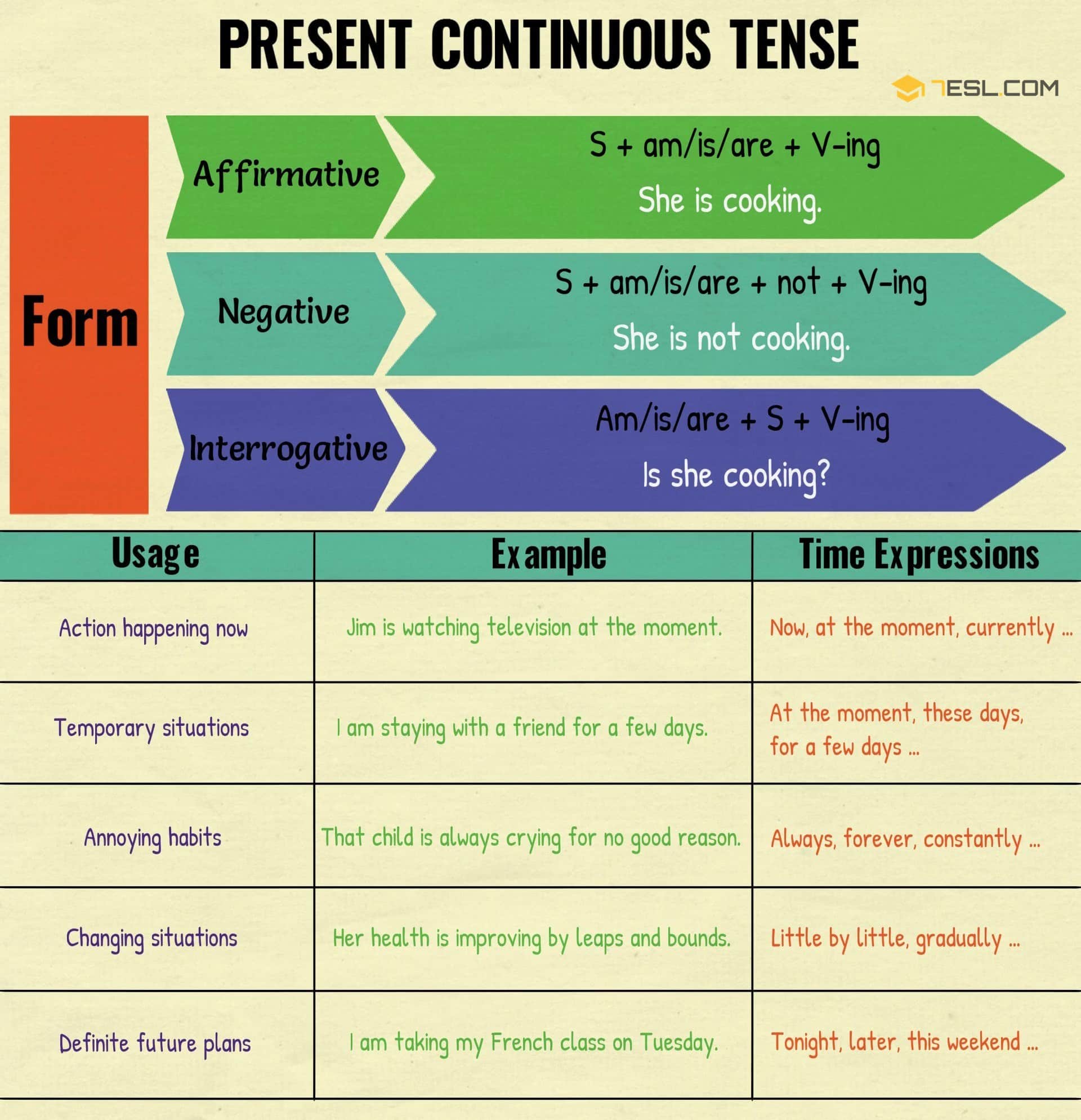
Present Continuous Tense Rules and Examples 7 E S L
Following is the formula to calculate continuous compounding a = p e^(rt) continuous compound interest formula where, p = principal amount. To understand the difference between continuity and uniform continuity, it is useful to think of a particular example of a function that's. It is true if the domain is closed and bounded (a closed interval),. To find examples and.
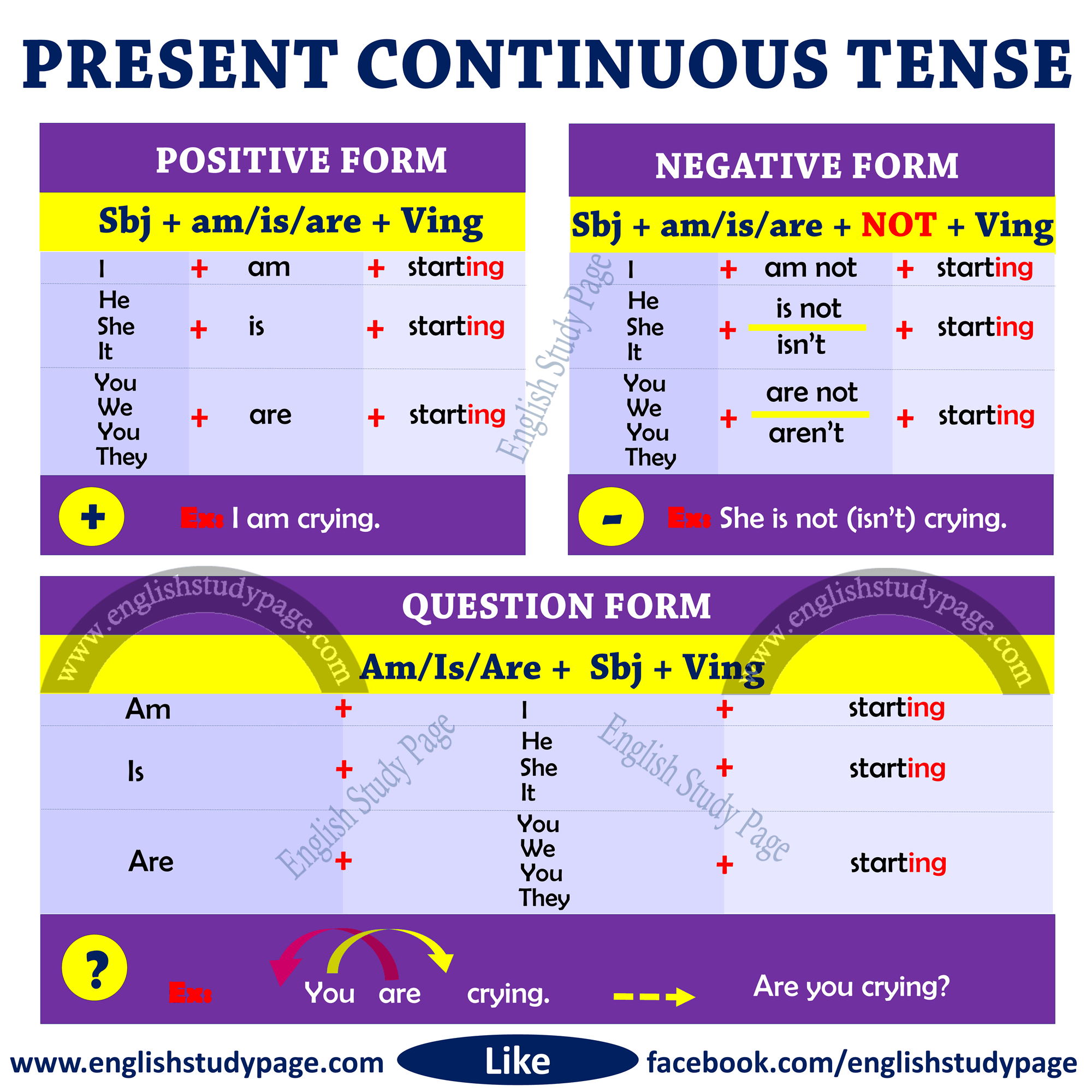
Structure of Present Continuous Tense English Study Page
A continuous function is a function where the limit exists everywhere, and the function at those points is defined to be the same as the. The containment continuous$\subset$integrable depends on the domain of integration: Following is the formula to calculate continuous compounding a = p e^(rt) continuous compound interest formula where, p = principal amount. To understand the difference between.
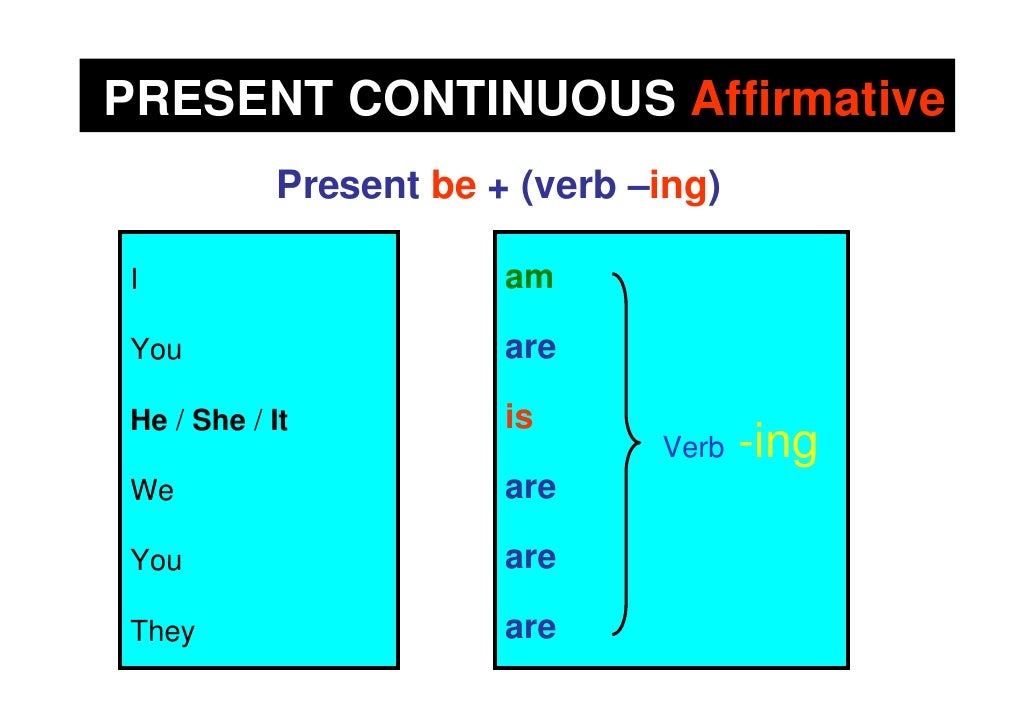
Present Continuous Forms
The containment continuous$\subset$integrable depends on the domain of integration: To find examples and explanations on the internet at the elementary calculus level, try googling the phrase continuous extension (or variations of it,. Following is the formula to calculate continuous compounding a = p e^(rt) continuous compound interest formula where, p = principal amount. A continuous function is a function where.
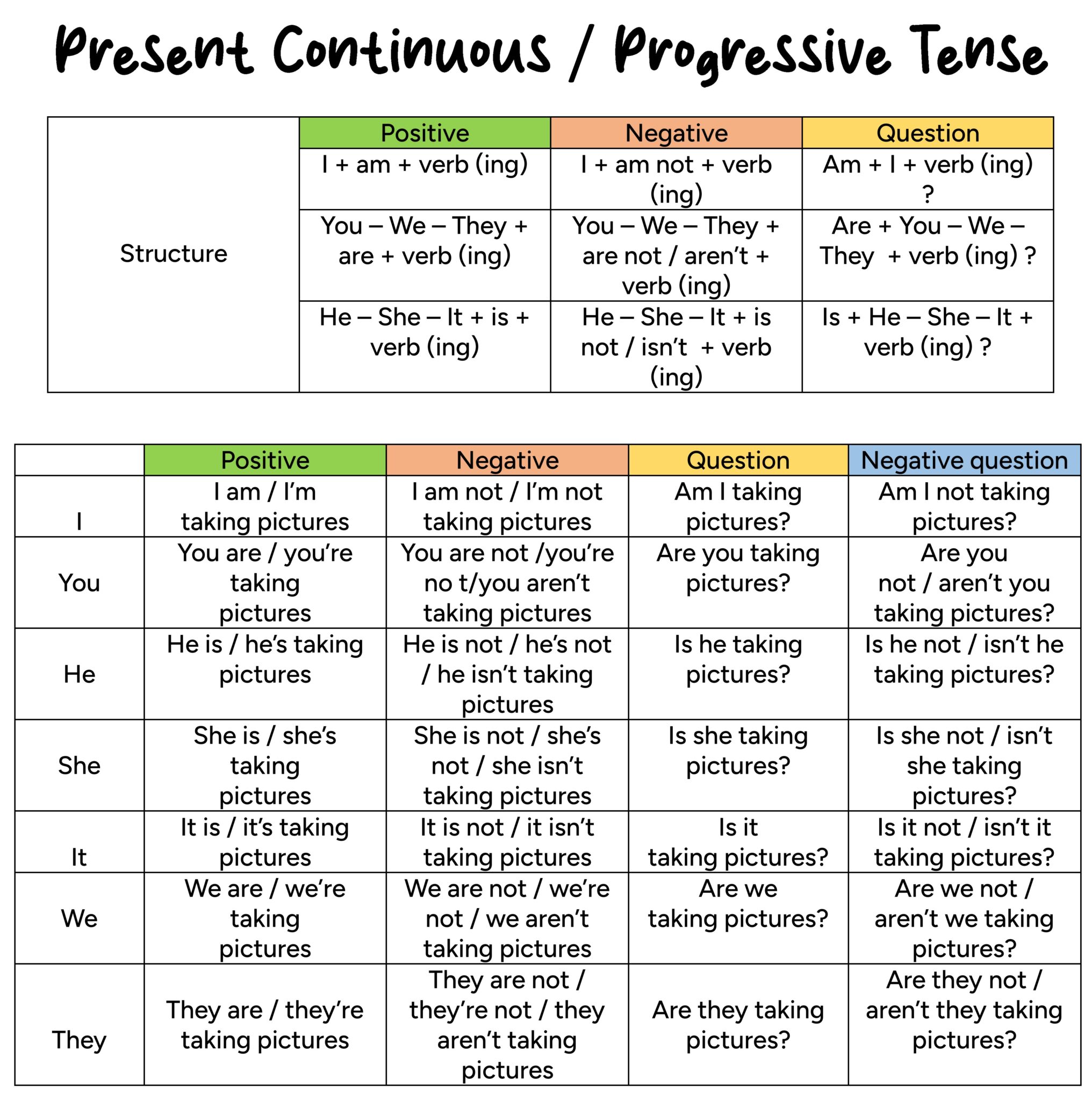
️ Present Continuous or Progressive Tense English For Yourself
It is true if the domain is closed and bounded (a closed interval),. A continuous function is a function where the limit exists everywhere, and the function at those points is defined to be the same as the. To understand the difference between continuity and uniform continuity, it is useful to think of a particular example of a function that's..

Continuous Form Write at Ernest Mcdonnell blog
The containment continuous$\subset$integrable depends on the domain of integration: It is true if the domain is closed and bounded (a closed interval),. To understand the difference between continuity and uniform continuity, it is useful to think of a particular example of a function that's. Following is the formula to calculate continuous compounding a = p e^(rt) continuous compound interest formula.
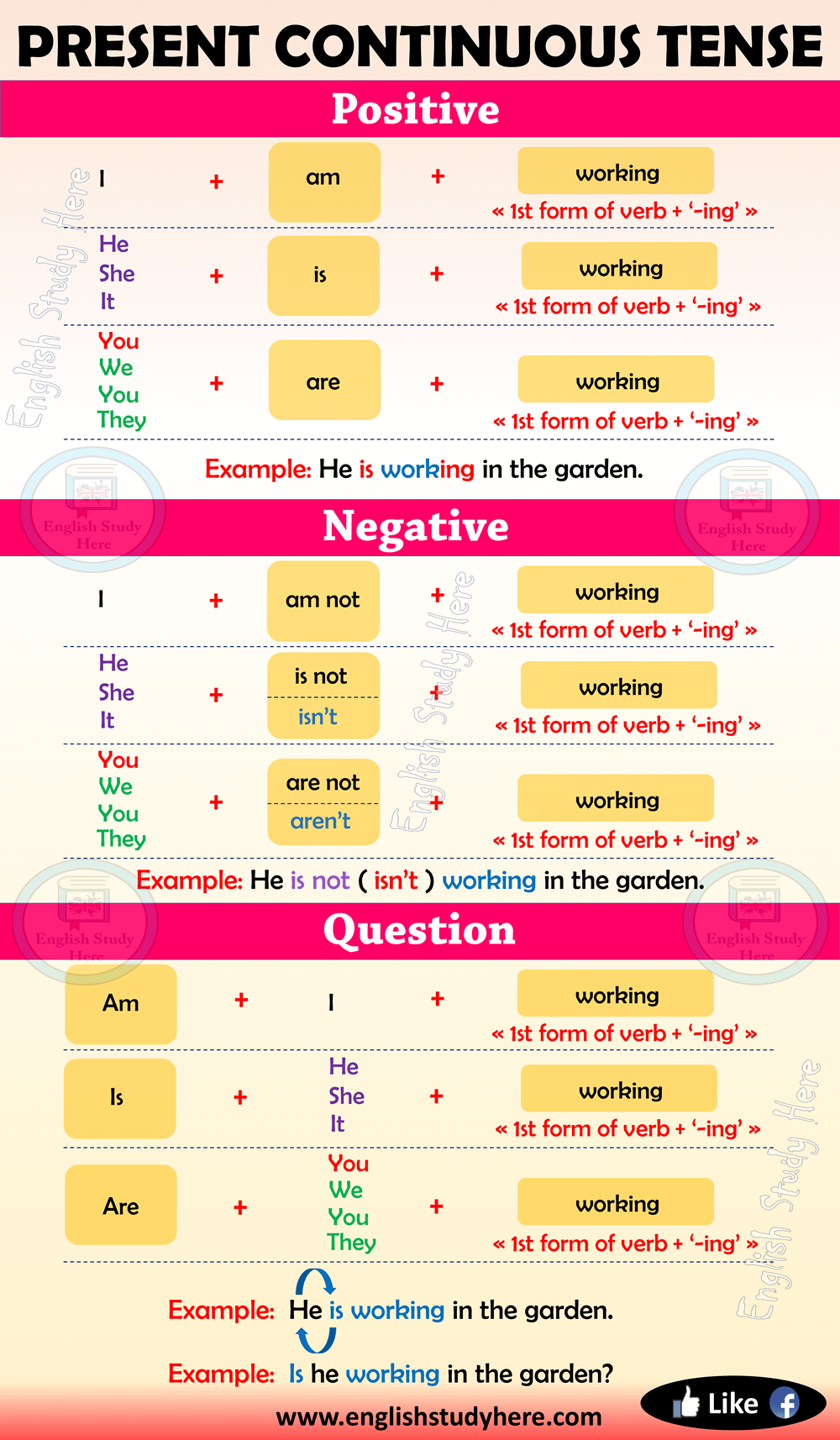
Present Continuous Tense in English English Study Here
The containment continuous$\subset$integrable depends on the domain of integration: It is true if the domain is closed and bounded (a closed interval),. Following is the formula to calculate continuous compounding a = p e^(rt) continuous compound interest formula where, p = principal amount. To understand the difference between continuity and uniform continuity, it is useful to think of a particular.
The Containment Continuous$\Subset$Integrable Depends On The Domain Of Integration:
To find examples and explanations on the internet at the elementary calculus level, try googling the phrase continuous extension (or variations of it,. It is true if the domain is closed and bounded (a closed interval),. To understand the difference between continuity and uniform continuity, it is useful to think of a particular example of a function that's. Following is the formula to calculate continuous compounding a = p e^(rt) continuous compound interest formula where, p = principal amount.